When to visit Bumthang? City-Trip Guide

Discover the spiritual valley of Bhutan according to the seasons for an optimal, authentic experience.

  • 20,000 inhabitants population
  • Dzongkha, English language
  • 120 days rainy days/year
  • September to November best time to visit
  • 3 to 5 days recommended stay

Climate and weather in Bumthang

Understanding the temperate mountain climate of Bumthang

Bumthang enjoys a temperate mountain climate at an altitude of 2,600m / 8,530ft. Marked seasonal variations significantly influence the experience of visiting monasteries and exploring this sacred Bhutanese valley.

  • Main Valley: Central zone protected from winds with a favorable microclimate
  • Northern Slopes: Cooler and more humid, dense coniferous forests
  • Southern Slopes: Sunnier and drier, terraced agriculture
MonthMin/Max (°C / °F)Precipitation (mm)Sunshine (h/day)Tourist TrafficRecommended Activities
January-2/12°C / 28/54°F157Winter festivals, monasteries
February0/15°C / 32/59°F208⭐⭐Easy trekking, culture
March3/18°C / 37/64°F357⭐⭐⭐Blooming flowers, hiking
April6/20°C / 43/68°F606⭐⭐⭐Pilgrimages, nature
May9/22°C / 48/72°F1205⭐⭐Spring festivals
June12/24°C / 54/75°F1804Spiritual retreats
July14/25°C / 57/77°F2204Lush greenery
August14/24°C / 57/75°F2004Monsoon, indoor activities
September12/23°C / 54/73°F1406⭐⭐⭐⭐Post-monsoon, clarity
October8/21°C / 46/70°F258⭐⭐⭐⭐⭐Trekking, festivals
November3/18°C / 37/64°F108⭐⭐⭐⭐Clear skies, Himalayas
December-1/15°C / 30/59°F87⭐⭐Solitude, meditation

The altitude of 2,600m / 8,530ft creates significant temperature variations between day and night. Mornings are cool even in summer, while winter nights can drop below 0°C / 32°F.

The seasons

Sites by weather

Optimize your discovery of Bumthang by adapting your visits to weather conditions for an enriching spiritual and cultural experience.

☔ In cloudy/rainy weather

Indoor & sheltered

Rainy days are perfect for spiritual immersion in covered sanctuaries.

Recommended sites:
🏛️ Jambay Lhakhang Monastery (2h, free, year-round)
🏛️ Kurjey Lhakhang and its three temples (1h30, free, meditation)
🏺 Bumthang Heritage Museum (1h, 5$, local culture)
🏠 Traditional textile workshops (45min, 3$, demonstrations)
🍺 Red Panda Brewery (1h, 8$ tasting, guided tour)
🛕 Tamshing Lhakhang Temple (45min, free, ancient paintings)

Practical tip: Book guided tours online; some monasteries close from 12:00 PM to 2:00 PM

Tip: Link nearby sites on foot with an umbrella, perfect for contemplative meditation
☀️ In good weather

Optimal outdoor

Good weather reveals the full splendor of Himalayan panoramas and open-air sites.

Recommended sites:
🏔️ Pelseling Viewpoint (2h trek, free, sunrise)
🌊 Dur Tsachu Hot Springs (half-day, 2$, relaxation)
🚶 Prayer Wheel Trail (1h, free, active meditation)
🏔️ Trek to Thangbi Goemba (3h, guide 25$, panoramic views)
🌸 Wangdue Palace Gardens (45min, 3$, photos)
🎣 Chamkhar River for fishing (day, 15$ permit, trout)

Best time: Sunrise 6:00 AM-8:00 AM for golden light, avoid 11:00 AM-3:00 PM in summer

Season tip: October-November optimal, avoid July-August for visibility

🌤️ Versatile for all weather

Flexible

These sites adapt perfectly to frequent mountain weather changes.

Recommended sites:
🏛️ Jakar Dzong Complex (indoor/outdoor modular)
🏪 Chamkhar local market (covered + terraces)
🏘️ Ura village with traditional houses (adaptable visits)

Weather tip: Start outdoors if sunny, retreat indoors if weather degrades

Example itinerary: Morning dzong (outdoor), noon market (covered), afternoon village (flexible)

💰 Free or budget-friendly

No cost

Free sites:
🏛️ All major monasteries (voluntary donations)
🚶 Marked hiking trails
🌅 Panoramic viewpoints
🎭 Public festivals (specific dates)

Free days: Museums are free on Bhutanese national holidays

Budget tips: Picnics with a view, local markets, homestays, community guides

Practical Guide

Prepare for your stay in Bumthang by anticipating the climatic specifics of this high-altitude valley for an optimal experience between spirituality and authentic cultural discovery.

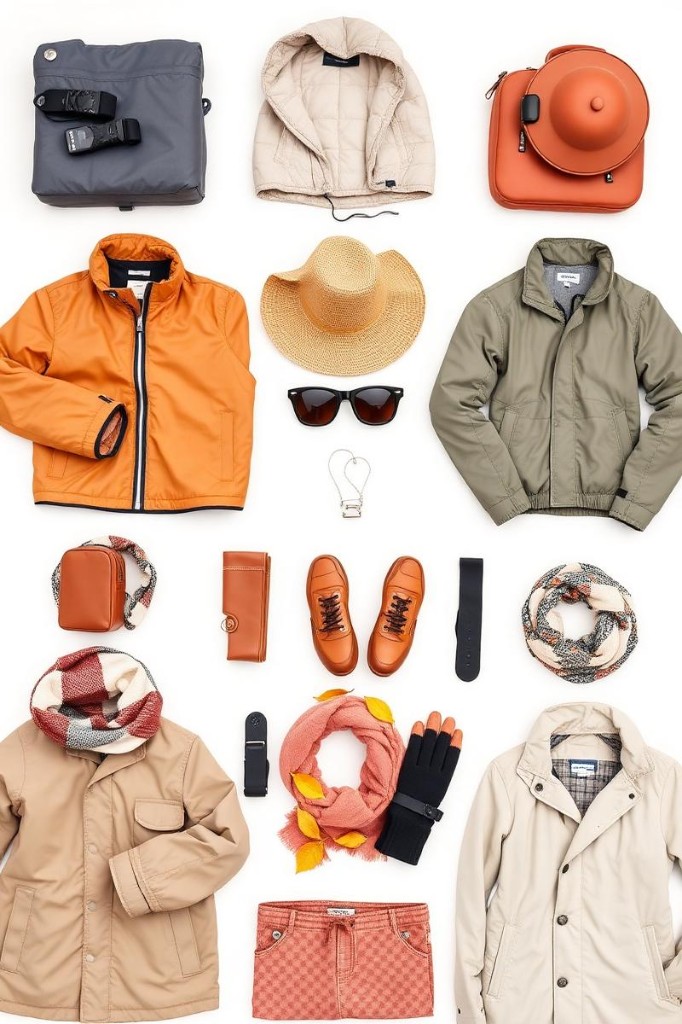
👕 Seasonal packing

Winter (Dec-Feb): • Warm mountain boots • Heavy-duty down jacket • Beanies and gloves • Thermal underwear
Spring (Mar-May): • Waterproof trekking shoes • Windbreaker jacket • Lightweight fleece • Layered clothing
Summer (Jun-Aug): • Rain boots • Breathable raincoat • Quick-dry clothing • Compact umbrella
Autumn (Sep-Nov): • Comfortable trekking shoes • Mid-season jacket • Warm sweater for evenings • Sun protection cap
Travel clothing and gear by season

💰 Seasonal budget

SeasonAccommodation (€/night)Transport (€/day)Restaurants (€/day)Attractions (€)Traffic
Winter25-4015-2512-205-15
Spring35-6020-3515-258-20⭐⭐⭐
Summer30-5018-3012-225-18
Autumn50-8525-4018-3010-25⭐⭐⭐⭐⭐

💡 Money-saving tips

• Book accommodation 3 months in advance in autumn to save 20%
• Prefer local restaurants (momos 2€) vs hotels (15€)
• Shared transport divides costs by 4
• Free festivals replace paid shows
• Community guides are 50% cheaper than private ones

🏥 Health and precautions

Altitude 2,600m / 8,530ft: Increased hydration, gradual ascent
Winter cold: Protect extremities, watch for hypothermia
Intense sun: SPF50+ sunscreen, UV sunglasses
Monsoon: Mosquito repellent, purified water
Intensive walking: Broken-in shoes, blister care
Pharmacy: Jakar hospital 24/7

Cultural Events

Essential festival calendar for Bumthang

Religious festivals define the spiritual life of Bumthang and offer an authentic immersion into traditional Bhutanese culture.

Jambay Lhakhang Festival (October)

A unique nocturnal festival featuring sacred fire dances and fertility rituals in one of Bhutan's oldest monasteries. Extraordinary mystical atmosphere under the stars with hundreds of candles.

Location: Jambay Lhakhang Monastery, central valley

Special Feature: Ritual naked dances at midnight (photography prohibited)

Impact: Maximum attendance, booking accommodation 6 months in advance is mandatory

Access: 10-minute walk from Jakar, organized shuttles

Tip: Arrive 2 days early for acclimatization and best viewing spots

Kurjey Festival (June)

An intimate ceremony during the monsoon season celebrating Guru Rinpoche in the most sacred monastery in Bumthang. Significant local participation, very few tourists for an authentic experience.

Location: Kurjey Lhakhang, east bank of the Chamkhar River

Special Feature: Personalized blessings by senior monks

Impact: Quiet period, low prices, intense spiritual experience

Access: 15-minute bike ride from Jakar, road can be muddy

Tip: Rain gear is essential, traditional offerings are appreciated

Tamshing Festival (February)

A rare winter festival in the freezing cold, with spectacular masked dances and purification ceremonies for the Lunar New Year. A solemn and meditative atmosphere.

Location: Tamshing Monastery, Bumthang village

Special Feature: Centuries-old masks displayed once a year

Impact: Very few visitors, exclusive experience, extreme cold

Access: 20-minute walk from the road, trail can be snowy

Tip: Extreme cold weather gear, thermos with hot tea, arrive early

Seasonal events

Spring: • Losar (Tibetan New Year, March) • Seed blessings (April) • Kurjey pilgrimage (May)
Summer: • Monsoon retreats (June-August) • Rain ceremonies (July) • Kurjey Festival (June)
Autumn: • Jambay Lhakhang Drup (October) • Prakhar Duchhoed (November) • Harvest dances (September)
Winter: • Tamshing Phala Chhoepa (February) • Winter prayers (December-January) • Silent meditations

Responsible travel

Bumthang, a sacred preserved valley, requires tourism that respects local traditions and the fragile Himalayan environment for future generations.

Responsible tourism in Bumthang prioritizes respect for religious customs, preservation of high-altitude ecosystems, and support for local communities. Avoid overcrowding sacred sites and favor community-based initiatives.

🌱 Low-season advantages

Visiting in the low season (winter/summer) reduces environmental impact, offers a more authentic experience with locals, and supports the local economy during off-peak periods.

♻️ Sustainable travel tips

• Use certified local guides and family-run homestays
• Respect photography bans in monasteries
• Carry out non-biodegradable waste
• Favor local cuisine over imports
• Walk between nearby sites
• Direct donations to monasteries rather than intermediaries

🏙️ Local sustainable initiatives

Bumthang is developing community-based ecotourism with certified homestays, trained village guides, ecological marked trails, protection of sacred forests, traditional organic agriculture, and fair-trade local crafts.

Our Recommendations

Recommendations for your trip to Bumthang

Our climatic and cultural analyses converge on optimal periods based on your priorities: authentic festivals, favorable weather conditions, controlled budget, or deep spiritual experience. Each season reveals a different facet of this sacred Bhutanese valley.

Optimal period: September-November

Months: September, October, November

Advantages:
• Crystal clear skies and spectacular Himalayan views
• Major festivals with masked dances
• Perfect conditions for trekking and hiking
• Pleasant temperatures day and night
• Easy access to all sites

Key events: Jambay Lhakhang Festival, Prakhar Duchhoed, autumn ceremonies

Disadvantages: High tourist season, bookings mandatory 6 months in advance

Ideal profile: All travelers, first-time visits to Bhutan

Stay duration: 4-6 days recommended

Interesting alternative: March-April

Months: March, April

Description: Spring offering spectacular blooms and mild temperatures with less tourist traffic than autumn, perfect for nature discovery and spirituality.

Specific advantages: Moderate prices, rhododendrons in bloom, authentic spring festivals, stable weather

For whom: Nature lovers, photographers, intermediate budgets, avoiding crowds

👥 Tips for your travel style

Family: October + Jakar accommodation + short activities + English-speaking guide
Budget: February-March + homestays + shared transport + free festivals
Culture: October + monasteries + festivals + specialized guides + 5-6 days
Romantic: November + hot springs + sunsets + boutique accommodation
Weekend: 3 days in autumn + essential sites + direct flight to Paro
First trip: October + guide + group + classic itinerary + full insurance

Periods to avoid: June-August

Months: June, July, August

Reasons: Intense monsoon with daily rains, reduced visibility of mountains, difficult roads, risks of landslides

Nuances: Perfect for spiritual retreats, meditation, tight budgets, and seeking absolute solitude

Villes du même pays

All cities

Frequently Asked Questions

Answers to essential questions for planning your spiritual journey to Bumthang based on climate and cultural specifics.

What is the best month to visit Bumthang?

October is optimal with clear skies, major festivals, and pleasant temperatures (8-21°C / 46-70°F). September and November offer an excellent balance of weather and crowd levels. Avoid June-August (monsoon) unless visiting for spiritual retreats. March-April is perfect for blooming flowers and moderate budgets.

How many days should I plan for Bumthang?

4-5 days minimum for essential sites and altitude acclimatization. 3 days are sufficient for an express discovery. 7 days allow for trekking and deep cultural immersion. Add 2 days if attending a major festival. Count an extra day for travel from Paro.

What is there to do in Bumthang when it rains?

Perfect for spiritual immersion: Jambay and Kurjey monasteries, heritage museum, textile workshops, Red Panda brewery, guided meditation. Rain creates an ideal mystical atmosphere. Avoid treks, but prioritize covered sites and authentic local encounters.

Which events should not be missed in Bumthang?

Jambay Lhakhang Festival (October) with nocturnal fire dances is a must-see. Tamshing festival (February) for a unique winter experience. Kurjey festival (June) for authenticity without tourists. Book accommodation 6 months in advance for popular festivals.

What budget should I expect depending on the season?

Autumn: 80-120€ / $85-$130 per day (high season). Spring: 60-90€ / $65-$100 per day (shoulder season). Winter: 50-70€ / $55-$75 per day (low season). Summer: 55-75€ / $60-$80 per day. Includes accommodation, meals, local transport, guides. Add 30% for major festivals and late bookings.