When to visit Thimphu? City Trip Guide

Discover the Bhutanese capital by season, between colorful festivals and a unique Himalayan climate.

  • 0.12 M population
  • Dzongkha, English language
  • 95 days rainy days/year
  • from March to May and September to November best time to visit
  • 3 to 5 days recommended stay

Climate and weather in Thimphu

Understanding the Himalayan continental climate of Thimphu

Thimphu enjoys a temperate continental mountain climate, influenced by its altitude of 2,320 meters / 7,611 feet. The summer monsoon brings significant rainfall, while the winter remains dry but cold, creating unique urban conditions for your city trip.

  • City Center: Moderate urban heat island effect, slightly milder temperatures
  • Peripheral Valleys: Cooler and more humid climate, frequent morning fog
  • Surrounding Heights: The coldest zone with possible winter snow
MonthMin/Max (°C / °F)Precipitation (mm)Sunshine (h/day)Tourist TrafficRecommended Activities
January-2/13°C / 28/55°F157⭐⭐Dzongs, museums, indoor markets
February1/15°C / 34/59°F257⭐⭐Winter festivals, temples
March5/18°C / 41/64°F356⭐⭐⭐Urban hiking, monasteries
April8/21°C / 46/70°F606⭐⭐⭐⭐Parks, terraces, markets
May12/24°C / 54/75°F1205⭐⭐⭐⭐Spring festivals, gardens
June15/26°C / 59/79°F1804⭐⭐⭐Museums, shopping centers
July16/25°C / 61/77°F2203⭐⭐Indoor activities, spas
August16/25°C / 61/77°F2004⭐⭐Galleries, restaurants, cafes
September14/24°C / 57/75°F1405⭐⭐⭐⭐Autumn festivals, walks
October8/21°C / 46/70°F257⭐⭐⭐⭐⭐Urban trekking, panoramas
November3/18°C / 37/64°F108⭐⭐⭐⭐Markets, crafts, temples
December-1/15°C / 30/59°F58⭐⭐Winter festivities, indoor spots

The high altitude of Thimphu generates significant thermal variations between day and night, reaching up to 15°C / 27°F difference. Higher-altitude neighborhoods experience cooler temperatures and increased precipitation, especially visible around the perched dzongs and monasteries.

The four seasons

Attractions by weather

Optimize your discovery of Thimphu by adapting your visits to the weather conditions. The Bhutanese capital offers a wealth of attractions for all weather types.

☔ In cloudy/rainy weather

Indoor & Sheltered

Rainy days reveal the contemplative and spiritual Thimphu, perfect for deepening your understanding of Bhutanese culture indoors.

Must-see sites:
🏛️ National Textile Museum (2h, 200 Nu, all year)
🏯 Tashichho Dzong interior (1h30, free, 5 PM-6 PM only)
🛕 Changangkha Lhakhang Temple (45min, free, morning recommended)
🏪 Covered Centenary Farmers Market (1h, free, closed Tuesday)
🎨 National School of Arts and Crafts (1h, 100 Nu, Mon-Fri)
🍵 Simply Bhutan traditional tea houses (2h, 500 Nu)
📚 National Library (1h, free, ancient documents)
🛍️ Centrepoint Shopping Center (free, modern shopping)

Practical tip: Book guided tours online, especially for the Dzong. Avoid Tuesdays (closures).

Additional tip: Combine textile museum + school of arts to understand Bhutanese craftsmanship. Cultural pass available (800 Nu).

☀️ In good weather

Optimal Outdoor

The sun reveals the architectural beauty of Thimphu and offers breathtaking Himalayan panoramas.

Outdoor sites:
🗿 Buddha Dordenma (2h, free, magical sunrise/sunset)
🏔️ Sangaygang viewpoint (1h, free, 360° over the valley)
🏯 Tashichho Dzong exterior (1h, free, perfect golden hour)
🌸 Memorial Chorten and gardens (1h30, free, circumambulation)
🥾 Mothithang trail to Takin Preserve (2h, 300 Nu)
🏞️ Coronation Park and playground (free, families)
📿 Tango Monastery (half-day, free, 1h hike)
🎪 Weekend outdoor market (2h, free, Sat-Sun)

Best time of day: Sunrise at the Buddha (6:30 AM) and sunset from Sangaygang (6:30 PM) for exceptional photos.

Season tip: October-November optimal, avoid July-August (monsoon). March-May excellent for blooms.

🌤️ Versatile for all weather

Flexible

These sites offer the perfect versatility between covered spaces and outdoor discoveries according to weather whims.

Combined sites:
🏛️ Simply Bhutan (indoor/outdoor, 2h, 500 Nu)
🏪 Centenary Markets (covered) + Weekend (outdoor)
🍽️ Restaurants with covered terraces (Clock Tower area)
🏨 Hotels with spas and panoramic views
🚡 Planned cable car (indoor/panoramas)

Weather tip: Start with the outdoors if clear, retreat to the indoors if weather degrades. Local weather apps recommended.

Itinerary example: Morning Buddha (if sunny) → Textile Museum (if rain) → Lunch at covered restaurant → Afternoon market depending on weather.

💰 Free or economical

No cost

Free attractions:
🏯 Tashichho Dzong (exterior free, interior 5 PM-6 PM)
🗿 Buddha Dordenma and gardens
📿 Memorial Chorten (circumambulation)
🏞️ Public parks and playgrounds
🚶 Architectural walks in the city center

Free days: Some museums are free for Bhutanese residents on Sundays, negotiate group rates.

Budget tips: Free panoramas from hills, markets for local atmosphere, authentic residential neighborhoods, local temples.

Practical Guide

Prepare your city trip to Thimphu by considering Himalayan climate specifics and the unique features of this capital, where tradition meets emerging modernity.

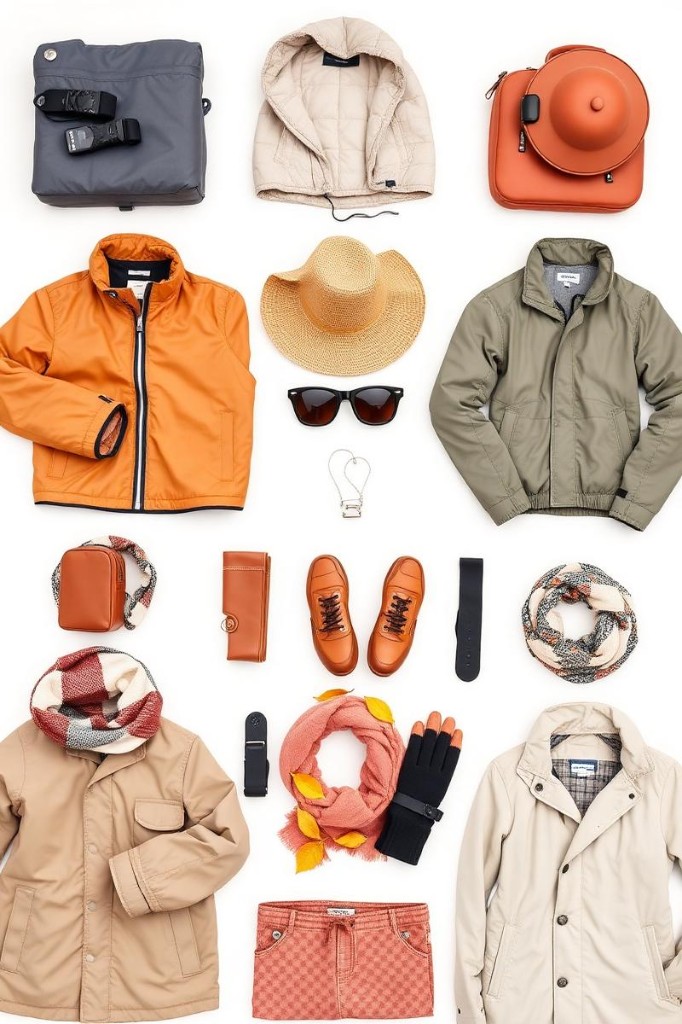
👕 Seasonal packing

Winter (Dec-Feb): • Waterproof and warm walking shoes • Down jacket and thermal underwear • Hat, gloves, scarf essential • Backpack with rain/snow cover

Spring (Mar-May): • Comfortable all-terrain shoes • Lightweight waterproof jacket and fleece • Layered clothing (thermal variations) • Hat and sunglasses

Summer (Jun-Aug): • Waterproof non-slip shoes • Quality poncho or rain jacket • Breathable, quick-dry clothing • Compact umbrella and waterproof bag

Autumn (Sep-Nov): • Urban hiking shoes • Mid-season jacket and warm sweater • Enhanced sun protection (altitude) • Lightweight bag for day trips
Travel clothing and gear by season

💰 Seasonal budget

PeriodCity Center Accommodation (€/night)Transport (€/day)Restaurants (€/day)Attractions (€)Crowds
Winter (Dec-Feb)40-8015-2520-3515-30⭐⭐
Spring (Mar-May)60-12020-3025-4520-40⭐⭐⭐⭐
Summer (Jun-Aug)45-9015-2520-4015-35⭐⭐
Autumn (Sep-Nov)80-15025-4030-5025-50⭐⭐⭐⭐⭐
Major Festivals100-20030-5035-6030-60⭐⭐⭐⭐⭐

💡 Money-saving tips

Cultural Pass: Cost-effective from 3 sites visited (800 Nu vs 1200 Nu separately) • Lunch: Local menus 200-400 Nu vs 800-1500 Nu for dinner • Peripheral Accommodation: 30-40% cheaper than in the center, efficient public transport • Local Markets: Fresh produce and crafts at authentic prices vs tourist shops • Shared Transport: Shared taxis and public buses are very economical for urban travel

🏥 Health and precautions

Altitude: Gradual acclimatization, increased hydration (2,320m / 7,611ft) • Urban Pollution: Masks recommended during winter peaks • Drinking Water: Prioritize bottled or purified water • Intensive Walking: Suitable shoes, frequent breaks • Pharmacies: Available in the city center, personal medication stock advised • Travel Insurance: Mandatory, check high-altitude coverage

Festivals and events

Calendar of Thimphu's must-see celebrations

Bhutanese festivals turn Thimphu into a living theater of ancient traditions, offering a unique cultural immersion and significantly influencing tourist traffic.

🎭 Thimphu Tshechu (September-October)

The most prestigious festival in the capital, celebrated in the courtyard of the Tashichho Dzong with sacred masked dances (cham) performed by monks. Three days of celebrations attract pilgrims and visitors from all over the world in an atmosphere of exceptional spiritual fervor.

Location: Tashichho Dzong, main courtyard and esplanades

Highlight: Unveiling of the giant thangka and collective blessings at sunrise

Climate impact: Ideal autumn period, hotel reservations mandatory 6 months in advance, maximum crowds

Transport access: Special shuttles from the city center, walking recommended (traffic jams)

Planning tip: Hotels book out, prices triple, arrive very early for good seats

🌸 Rhododendron Festival (April-May)

Spring celebration coinciding with the spectacular blooming of rhododendrons in the hills surrounding Thimphu. Botanical exhibitions, guided hikes, and flower markets turn the city into a giant garden, attracting botanists and photographers.

Location: Royal Botanical Gardens and Sangaygang trails

Highlight: Over 30 endemic rhododendron species on display

Climate impact: Dependent on spring conditions, sometimes shifted based on bloom, variable weather

Transport access: Organized treks from the city center, 4x4 vehicles for remote sites

Planning tip: Book guided hikes, bring camera gear, wear layers suitable for altitude

🎊 Bhutanese New Year - Losar (February-March)

Celebration of the Tibetan New Year transforming Thimphu into a giant family festival. Purification rituals, community feasts, and traditional dances in the streets create a unique friendly atmosphere, revealing authentic Bhutanese hospitality.

Location: Throughout the city, especially Clock Tower Square

Highlight: Participation possible in family rituals, frequent spontaneous invitations

Climate impact: Cold but dry winter period, ideal for outdoor festivities, fewer tourists

Transport access: Pedestrian city center during main festivities

Planning tip: Learn a few Dzongkha words, respect religious protocols, bring symbolic gifts

Seasonal events

Spring: • Paro Tsechu (March-April) - accessible from Thimphu • Arts Festival (May) - galleries and workshops • World Environment Day (June) Summer: • Monsoon Festival (July) - celebration of rain • Constitution Day (July 18) Autumn: • Harvest Festival (September) • National Day (December 17) Winter: • Year-end celebrations (December) • Winter Festival (January) - traditional sports. Note: many closures during national holidays.

Responsible Tourism

Thimphu, capital of Gross National Happiness, invites you to tourism that respects its unique environmental and cultural values.

Bhutan advocates "High Value, Low Impact" tourism, which is particularly relevant in Thimphu. Prioritize walking in this compact city, support authentic local crafts, respect dress codes in dzongs, and participate in cultural preservation initiatives in this capital without traffic lights.

🌱 Low-season advantages

Visiting Thimphu outside of tourist peaks (summer, winter) reduces pressure on limited infrastructure, allows for authentic exchanges with locals, supports the local economy during off-peak periods, and respects the Bhutanese philosophy of balance.

♻️ Sustainable travel tips

Soft mobility: Walking prioritized, bicycles available, local public transport • Local food: Family restaurants vs chains, farm market products • Eco-certified accommodation: Local guesthouses, hotels with environmental certification • Plastic reduction: Reusable water bottle, cloth bags for markets • Cultural respect: Modest clothing, behavior in temples • Local guides: Direct employment, authentic expertise

🏙️ Local sustainable initiatives

Thimphu is developing extensive pedestrian zones, urban greening programs, community recycling, weekly organic markets, traditional architectural preservation, and renewable energy initiatives, aligning with the national goal of carbon neutrality.

Our recommendations

Expert recommendations for your city trip to Thimphu

Our in-depth climate analyses and field expertise reveal the optimal periods to discover Thimphu according to your priorities. Between exceptional festivals, ideal weather conditions, and manageable crowds, each season offers specific advantages for your stay in this unique Himalayan capital, where modernity and traditions coexist harmoniously.

🏆 Optimal Period

Months: October - November

Advantages:
• Crystal-clear skies and exceptional Himalayan visibility
• Thimphu Tshechu and major autumn festivals
• Perfect temperatures for all activities (8-21°C / 46-70°F)
• Ideal photographic conditions
• Electrifying and festive urban atmosphere

Key events: Thimphu Tshechu, harvest festivals, religious celebrations

Disadvantages: High tourist season, mandatory reservations, maximum prices

Ideal profile: All travelers, especially first-timers and culture enthusiasts

Stay duration: 4-5 days to fully enjoy

⚖️ Interesting Alternative

Months: March - April

Description: Spring offering an excellent compromise between favorable weather conditions, spectacular blooms, and moderate crowds, revealing Thimphu in its seasonal renewal.

Specific advantages:
• Rhododendrons in bloom and awakening nature
• Authentic spring festivals
• Attractive intermediate rates
• Pleasant climate without extremes

For whom: Flexible travelers, average budgets, botanical photography enthusiasts

👥 Tips for your travel style

Family: October-November or March-April, city center accommodation, short activities, parks and gardens, comfortable transport Budget: December-February or June-August, local guesthouses, markets for meals, walking prioritized, free festivals Culture: Festival period (Oct-Nov, Feb-Mar), local guides, museums and dzongs, craft workshops, extended stays Romantic: October-November, hotels with spas, panoramic restaurants, Sangaygang sunsets, garden walks Weekend: Any period except major festivals, compact city center, main sites, intensive pace First trip: October-November absolutely, English-speaking guides, organized tours, must-see sites, mild weather

⚠️ Periods to avoid

Months: July - August

Reasons:
• Intensive monsoon limiting outdoor activities
• High humidity and daily rain
• Reduced mountain visibility
• Some access roads impassable

Nuances: Acceptable for very flexible travelers favoring indoor culture and tight budgets

Villes du même pays

All cities

Frequently Asked Questions

Answers to essential questions for planning your city trip to Thimphu based on optimal weather conditions.

What is the best month to visit Thimphu?

October and November offer optimal conditions with crystal-clear skies, pleasant temperatures (8-21°C / 46-70°F), and major festivals like Thimphu Tshechu. March-April is an excellent alternative with spring blooms. Avoid July-August (monsoon) unless you are on a tight budget and accept weather limitations.

How many days should I plan for Thimphu?

3 to 5 days allow for a complete discovery. 3 days are enough for essential sites (Buddha Dordenma, Tashichho Dzong, markets), while 4-5 days include peripheral excursions and deep cultural immersion. During major festivals, add 1-2 days to fully enjoy the celebrations without rushing.

What to do in Thimphu when it rains?

Thimphu reveals its indoor cultural wealth: National Textile Museum, School of Arts and Crafts, interior of Tashichho Dzong (5 PM-6 PM), traditional tea houses, modern shopping centers, contemporary art galleries, gourmet restaurants, and spas. Covered temples also offer authentic spiritual experiences sheltered from the rain.

Which events should not be missed in Thimphu?

Thimphu Tshechu (October) remains the major event with sacred masked dances. The Bhutanese New Year Losar (February-March) offers a unique family immersion. The Rhododendron Festival (April-May) reveals the Himalayan nature. Book 6 months in advance for Tshechu; others remain more accessible spontaneously.

What budget should I plan for each season?

Daily budget high season (Oct-Nov): 120-200€/day all-inclusive. Mid-season (Mar-May): 80-140€/day. Low season (Dec-Feb, Jun-Aug): 60-100€/day. During major festivals, add +50-100% for accommodation. Always include the mandatory government tourist tax ($200/day) for all foreign visitors.