When to visit Punakha? City-Trip Guide

An ancient royal capital nestled in a lush valley, Punakha reveals its charms according to the Himalayan seasons.

  • 25,000 inhabitants population
  • Dzongkha, English language
  • 120 days rainy days/year
  • October to April best time to visit
  • 2 to 4 days recommended stay

Climate and weather in Punakha

Understanding the subtropical climate of Punakha

Punakha enjoys a humid subtropical climate influenced by its location in a valley at 1,200m / 3,937ft of altitude. The Mo Chhu and Pho Chhu rivers create a milder microclimate than the rest of Bhutan, ideal for exploring this ancient capital.

  • Punakha Valley: Area protected from winds, the mildest climate in the country
  • Mountain Slopes: Cooler temperatures with morning fog
  • River Confluence: High humidity creating lush vegetation
MonthMin Temp. (°C / °F)Max Temp. (°C / °F)Precipitation (mm / in)Sunshine (h/day)Tourist TrafficRecommended Activities
January4°C / 39°F18°C / 64°F15mm / 0.6in7⭐⭐⭐Dzong, valley hikes
February6°C / 43°F20°C / 68°F25mm / 1.0in7⭐⭐⭐⭐Festivals, temples
March10°C / 50°F23°C / 73°F40mm / 1.6in6⭐⭐⭐⭐⭐Rhododendrons, trekking
April14°C / 57°F26°C / 79°F80mm / 3.1in6⭐⭐⭐⭐⭐Suspension bridges, nature
May18°C / 64°F28°C / 82°F150mm / 5.9in5⭐⭐⭐Start of monsoon, indoor
June21°C / 70°F29°C / 84°F280mm / 11.0in4⭐⭐Monsoon, covered dzong
July22°C / 72°F29°C / 84°F350mm / 13.8in3Heavy rains
August22°C / 72°F29°C / 84°F320mm / 12.6in4Lush vegetation
September20°C / 68°F28°C / 82°F180mm / 7.1in5⭐⭐End of monsoon
October16°C / 61°F26°C / 79°F50mm / 2.0in7⭐⭐⭐⭐⭐Clear sky, panoramas
November10°C / 50°F22°C / 72°F10mm / 0.4in8⭐⭐⭐⭐Trekking, photography
December6°C / 43°F19°C / 66°F5mm / 0.2in7⭐⭐⭐Dry winter, sightseeing

The moderate altitude of 1,200m / 3,937ft offers pleasant temperatures all year round. Altitude variations in the valley (1,100-1,400m / 3,609-4,593ft) create microclimates: cooler near the rivers in the morning, warmer on the heights in the afternoon.

The seasons

Must-sees by weather

Optimize your discovery of Punakha by adapting your visits to the weather conditions. This organization will allow you to fully enjoy each site according to the current weather.

☔ In cloudy/rainy weather

Indoor & protected

Enjoy the sacred interiors and covered spaces when clouds settle in the valley.

Recommended sites:
🏛️ Punakha Dzong - Fortress-monastery (2h) - Free entry - Optimal morning
🙏 Khamsun Yulley Namgyal Temple - Protective sanctuary (1h30) - Free - Afternoon
📿 Chimi Lhakhang - Fertility temple (1h) - Free offering - All day
🏛️ Dzong Museum - Royal collections (1h) - 100 Nu - Morning
🛍️ Local covered market - Traditional crafts (30min) - Free - Morning

Practical tip: Book guided dzong tours online to avoid waiting in the rain
Tip: Combine dzong visit and lunch at the nearby Zangto Pelri restaurant

☀️ In good weather

Optimal outdoor

The Himalayan sun reveals all the splendor of Punakha's landscapes and panoramas.

Must-see sites:
🌉 Punakha Suspension Bridge - Spectacular crossing (45min) - Free - Morning/evening
🏔️ Khamsum Yulley Viewpoint - Valley panorama (2h RT) - Free - Late afternoon
🚶 Mo Chhu/Pho Chhu confluence hike - Sacred rivers (1h30) - Free - Morning
🌸 Dzong Gardens - Flowered terraces (1h) - Included in visit - All day
📸 Sangchhen Dorji Lhuendrup Lookout - Panoramic nunnery (2h) - 50 Nu - Sunset

Best time: Golden hour at sunset for exceptional photos
Seasonal tip: Avoid hot hours in summer (11am-3pm)

🌤️ Versatile for all weather

Flexible

Adaptable sites offering indoor and outdoor options depending on weather whims.

Versatile sites:
🏛️ Punakha Dzong Complex - Interior/gardens/terraces
🍽️ Zangto Pelri Restaurant - Covered terrace with dzong view
🛍️ Weekend Market - Covered and open-air stalls

Weather tip: Start with the outside if clear, retreat indoors if weather degrades
Typical itinerary: Dzong (interior) → gardens if sunny → covered lunch → temple depending on weather

💰 Free or budget-friendly

No cost

Budget discovery of Punakha without compromising the experience.

Free sites:
🌉 Suspension bridge and river walks
🏛️ Dzong exteriors and public gardens
🚶 Valley hiking trails
📸 Panoramic viewpoints
🛍️ Local market (free entry)

Budget tips: Picnic with confluence view, free sunrise over the dzong, authentic local markets

Practical Guide

Prepare for your stay in Punakha with these practical tips adapted to the climatic and cultural specificities of this unique Himalayan destination. The moderate altitude and subtropical climate require special preparation.

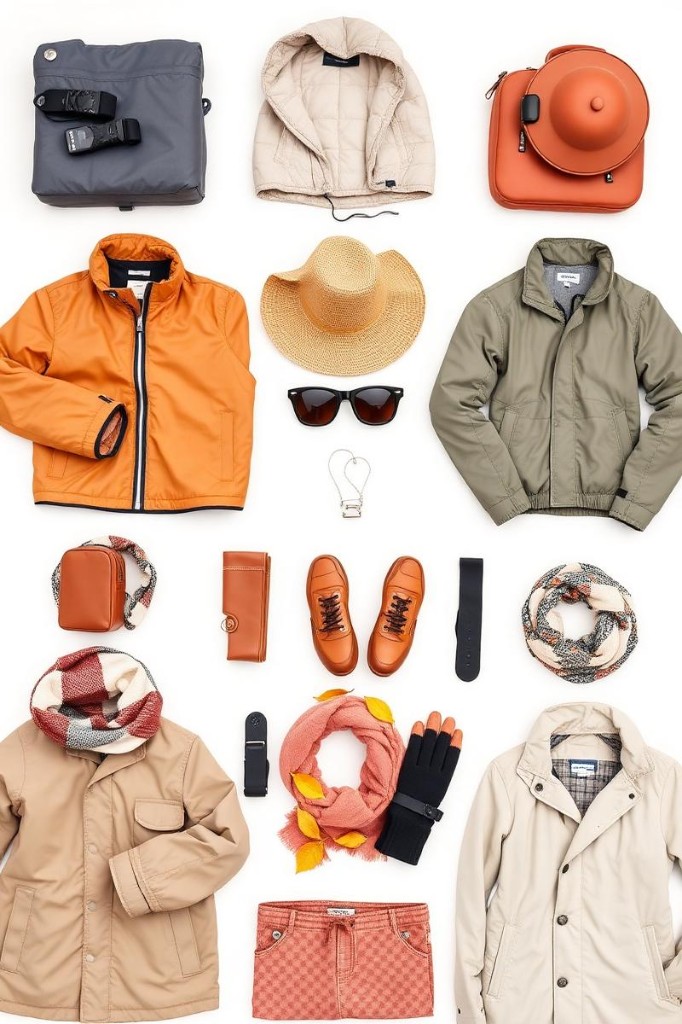
👕 Seasonal packing

Winter (Dec-Feb): • Multiple layers essential • Warm jacket for cold mornings • Waterproof walking shoes • Hat and gloves for altitude

Spring (Mar-May): • Breathable multi-layer clothing • Light windbreaker jacket • Grippy trekking shoes • Enhanced sun protection

Summer/Monsoon (Jun-Sep): • High-quality raincoat mandatory • Waterproof non-slip shoes • Quick-dry clothing • Waterproof equipment bag

Autumn (Oct-Nov): • Fleece for cool mornings • Reinforced mountain shoes • Technical breathable clothing • Dust protection for camera accessories
Travel clothing and gear by season

💰 Seasonal budget

PeriodAccommodation (€/night)Meals (€/day)Local Transport (€/day)Activities (€)Traffic
High season (Mar-May, Oct-Nov)80-20025-4015-2530-50⭐⭐⭐⭐⭐
Mid season (Dec-Feb)60-15020-3510-2025-40⭐⭐⭐
Low season (Jun-Sep)40-10015-258-1520-30⭐⭐

💡 Money-saving tips

Bhutanese Visa: Sustainable Development Fee of $200/day includes accommodation and meals • Mandatory Guide: Included in the government daily package • Limited Negotiation: Fixed prices for most tourist services • Possible Savings: Group travel to share guide and transport • Optimal Budget Season: June-September for reduced rates despite monsoon

🏥 Health and precautions

Moderate Altitude: Acclimatization generally easy at 1,200m / 3,937ft • Drinking Water: Prioritize bottled or purified water • Monsoon: Increased risk of digestive issues and skin infections • Intense Sun: Enhanced UV protection at altitude • Pharmacy: Bring a complete kit, medical services are limited • Vaccinations: Hepatitis A/B, typhoid fever, Japanese encephalitis recommended

Cultural Events

Calendar of must-see events in Punakha

The traditional festivals of Punakha offer a unique immersion into Bhutanese culture. These celebrations transform the atmosphere of the valley and significantly enrich the travel experience.

🎭 Punakha Drubchen & Tsechu (February-March)

The largest religious festival in Punakha reenacts a historical battle with spectacular masked dances in the dzong courtyard. Three days of celebrations attract pilgrims and visitors from all over the world.

Location: Main courtyard of Punakha Dzong
Highlight: Unique battle reenactment with period costumes
Climate Impact: Peak attendance, reservations required 6 months in advance, generally dry and sunny weather
Access: Special shuttles from Thimphu, temporary parking provided
Tip: Arrive very early for seating, plan for a full day

🌾 Harvest Festival (September-October)

Celebration of the end of the monsoon marking the red rice harvest in the valley. Folk dances, harvest blessings, and traditional markets bring the region to life for a week.

Location: Valley villages and market square
Highlight: Active participation of local families, traditional agricultural demonstrations
Climate Impact: Monsoon-to-autumn transition period, variable weather, lush green landscapes
Access: Travel between villages, organized local transport
Tip: Extended stay to follow the traveling festivities

🙏 Chimi Lhakhang Pilgrimage (All year, peak in April)

Continuous pilgrimage to the fertility temple with peak attendance in spring. Daily blessing ceremony attracting couples from around the world in a unique spiritual setting.

Location: Chimi Lhakhang Temple and pilgrimage trail
Highlight: Fertility blessings by sacred wooden phallus
Climate Impact: Accessible all year, more pleasant outside the monsoon, muddy trail in summer
Access: 20-minute walk through rice paddies from the main road
Tip: Morning to avoid crowds, respect religious protocols

Seasonal events

Spring: • Rhododendron Festival (March-April) • Bhutanese New Year (April) • Valley floral celebrations

Summer: • Monsoon rituals (June-July) • Local village festivals • Harvest blessings

Autumn: • Harvest Festival (September) • Autumn Tsechu (October) • Seasonal markets

Winter: • Solstice celebrations (December) • Indoor dzong festivals • New Year purification rituals

Responsible travel

Punakha, a jewel of carbon-negative Bhutan, invites tourism that respects its fragile ecosystem and preserved culture. Your travel choices directly impact this sacred valley.

Bhutan, a pioneer of sustainable tourism, imposes a 'High Value, Low Impact' model. Respect this philosophy: prioritize quality over quantity, support local artisans, minimize plastic waste, respect sacred sites and ancient traditions, and participate in environmental preservation.

🌱 Low-season advantages

Traveling during the monsoon (June-September) reduces tourist pressure, offers advantageous rates, allows for authentic encounters with local communities, decreases carbon footprint through lower attendance, and supports the local economy during the off-season.

♻️ Sustainable travel tips

Transport: Prioritize long stays to minimize flights • Accommodation: Choose certified local family guesthouses • Food: Restaurants serving organic valley produce, local red rice • Shopping: Authentic crafts from village cooperatives • Waste: Zero plastic, reusable water bottle, biodegradable soaps • Cultural Respect: Modest clothing at religious sites, photos authorized only where permitted

🏙️ Local sustainable initiatives

Punakha is developing community-based ecotourism: authentic village homestays, trained local guides, primary forest conservation, protection of endemic species, traditional organic agriculture, hydroelectric renewable energy, environmental education programs, and preservation of traditional dzong architecture.

Our recommendations

Recommendations for your stay in Punakha

After analyzing climatic data, tourist traffic, and cultural events, here are our personalized recommendations to optimize your discovery of Punakha. This ancient royal capital reveals its most beautiful features according to the Himalayan seasons, between majestic dzongs and lush valleys.

🌟 Optimal period: October-November & March-April

Recommended months: October, November, March, April

Advantages:
• Crystal clear sky and exceptional visibility of the Himalayas
• Ideal temperatures 15-25°C / 59-77°F for all activities
• Perfect conditions for trekking and hiking
• Spectacular rhododendron blooms (March-April)
• Major cultural festivals (Punakha Tsechu)
• Exceptional golden light for photography

Key events: Punakha Drubchen Festival (Feb-March), rhododendron blooming, autumn harvests

Disadvantages: Maximum tourist traffic, high accommodation prices

Ideal profile: First trips to Bhutan, culture and nature enthusiasts, photographers
Stay duration: 3-4 days for a complete discovery

⚖️ Balanced alternative: December-February

Alternative months: December, January, February

Description: Winter offers an excellent compromise between favorable weather conditions and moderate attendance. Clear skies, attractive prices, and a serene atmosphere for an authentic discovery.

Specific advantages: Accommodation rates reduced by 30-40%, fewer tourists for an intimate experience, clear skies optimal for visibility, authentic winter festivals

For whom: Travelers with a controlled budget, tranquility seekers, couples looking for privacy

👥 Tips for your travel style

Family: March-April ideal, Zhingkham Resort accommodation, suspension bridge and dzong garden activities, English-speaking guide

Budget: December-February, local guesthouses, shared transport, local market meals

Culture: Festival period (Feb-March), specialized history guide, in-depth visits to dzongs and temples

Romantic: October-November, boutique hotels with valley views, panoramic sunsets, terrace dinners

Weekend: 2-3 days October-April, focus on dzong and fertility temple, Thimphu base

First trip: March-April or October, experienced guide, balanced culture-nature program, comfort accommodation

⚠️ Periods to avoid: June-September

Discouraged months: June, July, August, September

Reasons: Intense monsoon with daily rains, muddy and slippery paths, reduced mountain visibility, increased risk of health issues, limited access to outdoor sites

Nuances: Acceptable for tropical monsoon lovers, lush vegetation enthusiasts, very low-budget travelers

Villes du même pays

All cities

Frequently Asked Questions

Answers to essential questions to plan your trip to Punakha according to the climate and Bhutanese specificities.

What is the best month to visit Punakha?

October and March offer optimal conditions: clear skies, pleasant temperatures of 15-25°C / 59-77°F, and perfect visibility of the Himalayas. October benefits from the post-monsoon period with lush vegetation, while March reveals rhododendron blooms. Avoid June-September (monsoon) unless on a very tight budget. November-February remains excellent with fewer crowds but cooler mornings.

How many days should I plan for Punakha?

2-3 days minimum to visit the dzong, the fertility temple, and the suspension bridge. 4-5 days is ideal to include valley hikes, the Khamsum Yulley viewpoint, and traditional villages. A longer stay allows participation in seasonal festivals and in-depth exploration. Punakha combines perfectly with Thimphu (2h drive) and Paro in a Bhutan discovery circuit.

What to do in Punakha when it rains?

Explore the interior of the Punakha Dzong with its ornate halls and museum. Visit the Chimi Lhakhang temple (partially covered), discover local crafts at the covered market, and enjoy Bhutanese cuisine in traditional restaurants. Use the time for meditation, reading about local culture, or planning future excursions. The rain creates a mystical atmosphere with fog over the dzong.

Which events should not be missed in Punakha?

The Punakha Drubchen and Tsechu (February-March) is the major event: spectacular masked dances, historical battle reenactment, unique spiritual atmosphere. The Harvest Festival (September-October) offers an immersion into rural life. Continuous Chimi Lhakhang pilgrimage for fertility blessings. Rhododendron blooming (March-April) transforms the valley into a colorful garden. Book accommodation well in advance for festivals.

What budget should I plan according to the season?

High season (March-May, Oct-Nov): 150-250€ / $160-$270 per day with mandatory SDF of $200/day including accommodation, meals, guide, transport. Low season (June-Sep): Same official rates but negotiations possible for groups. Additional costs: international flights 800-1500€ / $850-$1600, visa $40, trekking equipment, craft souvenirs. Total budget 2000-3500€ / $2150-$3750 for a 7-10 day stay depending on season and chosen standard.