When to visit Bhutan? Complete Guide

Between subtropical valleys and Himalayan peaks, Bhutan offers exceptional climatic diversity depending on altitude and season.

  • 0.8 M population
  • Dzongkha language
  • 120 days rainy days/year
  • March to May and September to November best time to visit
  • 7 to 14 days recommended stay

Weather and Climate in Bhutan

Understanding the varied climate of the Himalayan kingdom

Bhutan features three distinct climate zones depending on altitude: subtropical in the south, temperate in the center, and alpine in the north. This diversity significantly influences your travel experience depending on the region visited.

  • Southern subtropical zone: Hot and humid climate with marked monsoons from June to September
  • Central temperate zone: Main valleys with a moderate climate, ideal for cultural discovery
  • Northern alpine zone: High mountains with a cold climate and extreme conditions year-round
MonthTemperature (°C / °F)Precipitation (mm / in)Conditions
January-2 to 16°C / 28 to 61°F15 / 0.6Dry and cold
February0 to 18°C / 32 to 64°F20 / 0.8Dry and sunny
March4 to 21°C / 39 to 70°F25 / 1.0Ideal
April8 to 24°C / 46 to 75°F50 / 2.0Excellent
May12 to 26°C / 54 to 79°F120 / 4.7Warm, start of monsoon
June16 to 27°C / 61 to 81°F250 / 9.8Monsoon
July18 to 28°C / 64 to 82°F300 / 11.8Intense monsoon
August18 to 28°C / 64 to 82°F280 / 11.0Monsoon
September15 to 26°C / 59 to 79°F150 / 5.9Post-monsoon
October10 to 23°C / 50 to 73°F40 / 1.6Excellent
November4 to 20°C / 39 to 68°F10 / 0.4Dry and clear
December0 to 17°C / 32 to 63°F8 / 0.3Cold and dry

Altitude variations from 200m / 656ft to 7,500m / 24,606ft create unique microclimates. Every 1,000m / 3,281ft of altitude corresponds to a drop of 6°C / 10.8°F.

The Seasons in Bhutan

Climate by Region in Bhutan

Bhutan's unique geography creates distinct microclimates depending on the region. Altitude, exposure, and latitude significantly influence weather conditions, thereby determining your activities and travel itinerary.

🏔️ Northern Region - High Mountains

Description: The northern region of Bhutan houses the country's highest peaks, including Gangkhar Puensum (7,570m / 24,836ft). This alpine zone features a high mountain climate with extreme conditions and significant variations depending on altitude. Accessible only to experienced trekkers and during certain periods.

Monthly table:
PeriodWeatherTemperatureActivities
March-MayVariable-10 to 10°C / 14 to 50°FHigh-altitude trekking
June-AugustCloudy0 to 15°C / 32 to 59°FNot recommended
Sept-NovClear-15 to 8°C / 5 to 46°FExpert trekking
Dec-FebSnow-20 to 5°C / -4 to 41°FInaccessible
Specifics:
  • Altitude above 4,000m / 13,123ft
  • Risk of altitude sickness
  • Rapidly changing weather conditions
  • Heavy-duty cold weather equipment essential

🏞️ Central Region - Main Valleys

Description: The heart of Bhutan includes the valleys of Thimphu, Paro, and Punakha. This temperate region concentrates most of the tourist and cultural activity. The climate is moderate and generally favorable for travel, with marked but bearable seasonal variations.

Monthly table:
PeriodWeatherTemperatureActivities
March-MaySunny8 to 24°C / 46 to 75°FIdeal for all activities
June-AugustRainy16 to 26°C / 61 to 79°FCultural visits
Sept-NovPerfect10 to 23°C / 50 to 73°FOptimal
Dec-FebDry and cold0 to 16°C / 32 to 61°FCulture and dzongs
Specifics:
  • Altitude between 1,200m / 3,937ft and 3,000m / 9,843ft
  • Temperate mountain climate
  • Concentration of tourist sites
  • Developed infrastructure

🌿 Southern Region - Subtropical Plains

Description: The south of Bhutan features a subtropical climate with higher temperatures and significant humidity. This region bordering India is strongly influenced by the monsoon and offers exceptional biodiversity, particularly in national parks.

Monthly table:
PeriodWeatherTemperatureActivities
March-MayHot15 to 30°C / 59 to 86°FSafaris, nature
June-AugustMonsoon20 to 32°C / 68 to 90°FNot recommended
Sept-NovPleasant18 to 28°C / 64 to 82°FNational parks
Dec-FebMild10 to 25°C / 50 to 77°FWildlife observation
Specifics:
  • Altitude below 1,000m / 3,281ft
  • High humidity in summer
  • Exceptional biodiversity
  • Intense monsoons June-September

🏛️ Eastern Region - Remote Valleys

Description: Eastern Bhutan, less visited, features a climate similar to the central region but with nuances due to exposure and monsoon influences. This authentic region offers a unique cultural experience with generally favorable climate conditions.

Monthly table:
PeriodWeatherTemperatureActivities
March-MayStable6 to 22°C / 43 to 72°FCultural discovery
June-AugustHumid14 to 24°C / 57 to 75°FLimited
Sept-NovExcellent8 to 21°C / 46 to 70°FTrekking, culture
Dec-FebCool2 to 18°C / 36 to 64°FLocal immersion
Specifics:
  • Variable altitude 500m / 1,640ft - 4,000m / 13,123ft
  • Less tourist infrastructure
  • More authentic experience
  • Access sometimes difficult in monsoon

Practical Guide to Bhutan

Preparing for a trip to Bhutan requires adaptation to the varied climate conditions of the Himalayan kingdom. Between temperate valleys and alpine peaks, your equipment and budget must adapt to the seasonal and regional specificities of this unique destination.

👕 Seasonal packing

Seasonal Equipment:

Spring (March-May): • Layered clothing • Lightweight waterproof jacket • Hiking boots • Sun protection • Fleece for evenings

Summer/Monsoon (June-August): • Quality raincoat • Quick-dry clothing • Waterproof shoes • Compact umbrella • Warm clothing for altitude

Autumn (September-November): • Layering system • Lightweight down jacket • Gloves and hat • Sunglasses • High-protection sunscreen

Winter (December-February): • Warm clothing • Thick down jacket • Warm gloves and hat • Hiking boots • Thermal underwear

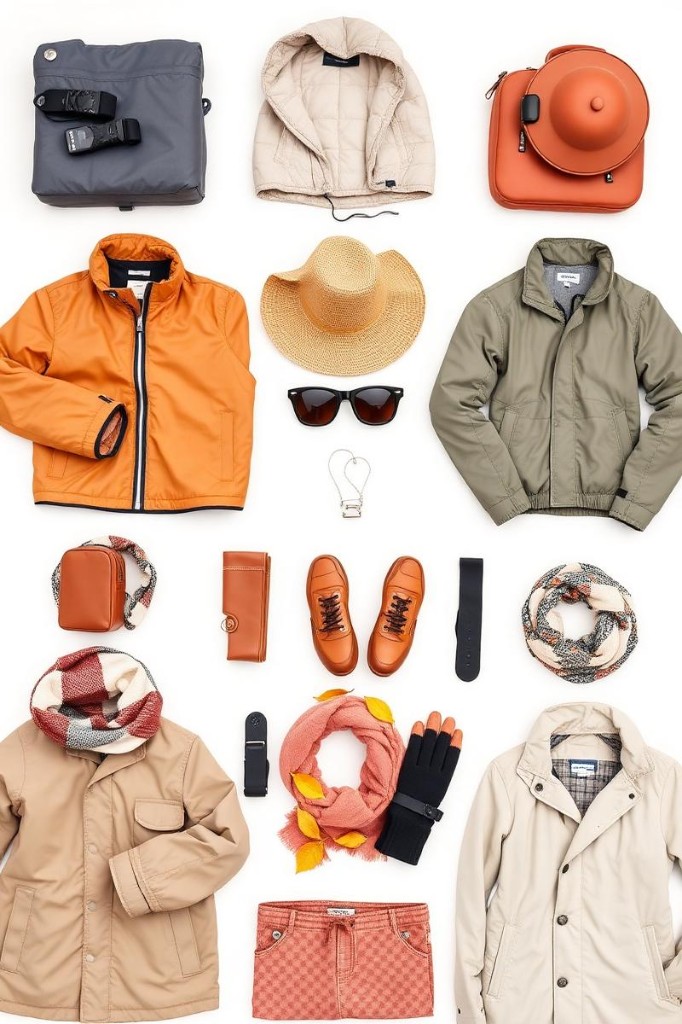
Travel clothing and gear by season

💰 Seasonal budget

PeriodAccommodation (€)Transport (€)Activities (€)Crowds (/5)Budget Tips
March-May80-200150-30050-1504/5Book 3 months in advance
June-August60-150120-25040-1202/5Negotiate on-site
Sept-Nov100-250180-35060-1805/5Book 6 months ahead
Dec-Feb70-180130-28045-1302/5Take advantage of winter offers

💡 Money-saving tips

  • Avoid October-November (high season) to save 30-40%
  • Book as a group to reduce mandatory guide costs
  • Choose the low season (June-August, December-February) for preferential rates
  • Compare all-inclusive packages vs. individual organization
  • Budget extra for mountain equipment if necessary

🏥 Health and precautions

Health precautions by season:

  • Altitude: Progressive acclimatization above 2,500m / 8,202ft, risk of altitude sickness
  • Monsoon (June-August): Increased risk of waterborne diseases, water purification mandatory
  • Winter: Protection against cold, risk of hypothermia at altitude
  • All seasons: Hepatitis A/B vaccination, Japanese encephalitis depending on region, repatriation insurance essential
  • Sun protection: SPF 50+ sunscreen mandatory at altitude, category 4 UV sunglasses

Events & Festivals in Bhutan

Cultural calendar and festivities not to be missed in the Kingdom of Happiness

Bhutanese festivals (Tsechus) punctuate the cultural life of the kingdom and are privileged moments to discover Buddhist authenticity according to the seasons.

🎭 Paro Tsechu Festival (March-April)

Description: The most famous festival in Bhutan takes place in the courtyard of the Paro Dzong. Sacred masked dances, the unfurling of the giant thangka, and intense religious fervor characterize this major event. The spiritual atmosphere and colorful costumes offer an unforgettable spectacle in the exceptional setting of the Paro Valley.

Location: Paro Dzong, Paro Valley

Highlight: Unfurling of the giant thangka before dawn, unique blessing

Climate impact: Ideal period with dry weather and pleasant temperatures

🏔️ Thimphu Tsechu Festival (September-October)

Description: In the capital, this autumn festival attracts thousands of Bhutanese in traditional costumes. Ritual dances follow one another in a unique festive and spiritual atmosphere. It is the perfect opportunity to mingle with the local population in an authentic setting and understand the importance of Buddhism in Bhutanese society.

Location: Tashichho Dzong, Thimphu

Highlight: Largest popular gathering in the country

Climate impact: Optimal post-monsoon weather conditions, perfect visibility

🌸 Punakha Drubchen Festival (February-March)

Description: This unique festival reenacts the historical battle against Tibetan invaders. Warrior reenactments and traditional dances take place in the magnificent Punakha Dzong, at the confluence of two rivers. The event combines history, spirituality, and spectacle in an exceptional architectural setting.

Location: Punakha Dzong, former winter capital

Highlight: Only festival to reenact historical battles

Climate impact: End of dry winter, cool but bearable temperatures

Seasonal events

Seasonal Events:

Spring: • Paro Tsechu (March-April) • Gom Kora Tsechu (April) • Ura Yakchoe (April-May)

Summer: • Kurjey Tsechu (June) • Nimalung Tsechu (June) • Local valley festivals

Autumn: • Thimphu Tsechu (September) • Wangdue Tsechu (October) • Jambay Lhakhang (October)

Winter: • Punakha Drubchen (February-March) • Punakha Tsechu (February-March) • Trongsa Tsechu (December)

Responsible Travel in Bhutan

Bhutan, a pioneer of sustainable tourism with its "High Value, Low Impact" policy, offers a unique model of responsible travel adapted to Himalayan climatic and environmental challenges.

The Kingdom of Gross National Happiness prioritizes environmental preservation over mass tourism development. This approach respects the fragile Himalayan ecosystems, local traditions, and limits the impact of climate change on this sensitive region.

🌱 Low-season advantages

Traveling in the low season (June-August, December-February) reduces tourist pressure on fragile sites, supports the local economy in a spread-out manner, and decreases your carbon footprint thanks to less frequent flights.

♻️ Sustainable travel tips

  • Respect the daily tourist limit imposed by the government
  • Use filtered water bottles rather than buying bottled water
  • Choose local eco-certified accommodations
  • Prioritize local guides and porters to support the community economy
  • Respect flora and fauna, especially during breeding seasons
  • Avoid single-use plastics, especially in high mountains

🏙️ Local sustainable initiatives

Bhutan maintains 72% forest cover constitutionally guaranteed, develops green hydroelectricity, and promotes organic agriculture. The country aims for carbon neutrality and actively protects its national parks covering 51% of the territory.

Our Expert Recommendations

Expert recommendations for your trip to Bhutan

After analyzing official climate data and our field expertise, we offer personalized recommendations to optimize your discovery of the Kingdom of Happiness. These tips integrate the meteorological, cultural, and logistical specificities of Bhutan to ensure an unforgettable experience tailored to your expectations and traveler profile.

🏆 Optimal Period: October - November

Recommended months: October and November

Advantages:

  • Exceptional visibility of the Himalayas after the monsoons
  • Ideal weather conditions (dry, sunny, pleasant temperatures)
  • Major autumn festivals (Thimphu Tsechu)
  • Perfect for trekking and mountain photography
  • Crystal-clear air

Disadvantages:

  • High tourist season with maximum crowds
  • Peak pricing

Ideal profile: Travelers seeking the best conditions, photographers, experienced trekkers

⚖️ Balanced Alternative: March - April

Alternative months: March, April, and early May

Description: Spring offers an excellent compromise between favorable climate conditions and moderate attendance. The blooming of rhododendrons adds a spectacular dimension to the Himalayan landscapes.

Specific advantages:

  • Exceptional blooming of Himalayan flora
  • Rising temperatures, ideal for acclimatization
  • Fewer crowds than in autumn
  • Paro Tsechu Festival

👥 Tips for your travel style

Tips by traveler profile:

Family: Prefer March-May and September-October, avoid extreme altitudes, choose comfortable accommodations

Budget: Opt for June-August or December-February, negotiate packages, travel in groups to reduce costs

Adventure: October-November for high-altitude trekking, March-May for discovery, bring adapted equipment

Luxury: October-November for the best conditions, book 6 months in advance, choose the best lodges

Photographer: October for crystal-clear light, March-April for flora, avoid monsoon for visibility

❌ Periods to Avoid

June - August: Intense monsoon, difficult roads, limited mountain visibility

December - January: Harsh cold, mountain passes closed, short days

Cities to explore

Discover the must-sees of urban travel

All cities

Frequently Asked Questions

Find answers to essential questions for planning your trip to Bhutan according to climate conditions.

What is the best time to see the Himalayas in Bhutan?

The best time to observe the Himalayas is from October to November and March to April. After the autumn monsoon, the air is exceptionally clear, offering perfect visibility of the peaks. Avoid June to September (monsoon) and December-January (frequent morning fog).

Can you visit Bhutan during the monsoon?

Yes, but with limitations. The monsoon (June-August) turns the country into a lush green landscape, but roads can be difficult, views obstructed, and trekking complicated. However, it is the cheapest and most authentic period, ideal for cultural discovery.

What equipment should I bring according to the season?

Equipment varies drastically depending on the season and altitude. In autumn/spring: layering system, waterproof jacket, hiking boots. In winter: heavy-duty cold weather clothing is mandatory. In monsoon: quality waterproof gear. Always bring sun protection for high altitudes.

Are Bhutanese festivals linked to the seasons?

Absolutely! The Tsechus (festivals) follow the Buddhist lunar calendar and agricultural seasons. Spring: Paro Tsechu (March-April). Autumn: Thimphu Tsechu (September-October). Winter: Punakha festivals (February-March). Each season offers its own unique celebrations.

Does climate change affect Bhutan?

Bhutan feels the effects of global warming: more irregular monsoons, melting Himalayan glaciers, and seasonal temperature variations. However, the country remains a model of sustainability with a strict environmental policy and a negative carbon footprint.