When to visit Paro? City-Trip Guide

Discover the magic of Paro by season, between sacred monasteries and changing Himalayan landscapes.

  • 0.8 M population
  • Dzongkha language
  • 85 days rainy days/year
  • from March to May and September to November best time to visit
  • 3 to 5 days recommended stay

Climate and Weather in Paro

Understanding Paro's subtropical mountain climate

Paro enjoys a temperate subtropical highland climate at an altitude of 2,200 m / 7,218 ft. The valley, protected by the Himalayan mountains, offers milder conditions than its altitude suggests, with marked variations between the dry and monsoon seasons.

  • Paro Valley: Main protected zone, temperate climate with microclimates depending on exposure
  • Southern Slopes: Sunnier and warmer, ideal for monasteries
  • Surrounding Heights: Cooler and windier climate, with potential snow in winter
MonthMin Temp (°C / °F)Max Temp (°C / °F)Precipitation (mm / in)Sunshine (h/day)Tourist TrafficRecommended Activities
January-2 / 2812 / 5415 / 0.67⭐⭐Monasteries, clear views
February1 / 3414 / 5725 / 1.07⭐⭐Winter festivals
March4 / 3918 / 6435 / 1.48⭐⭐⭐Start of trekking
April8 / 4621 / 7060 / 2.48⭐⭐⭐⭐Rhododendrons
May12 / 5424 / 75120 / 4.77⭐⭐⭐⭐Optimal trekking
June15 / 5926 / 79180 / 7.16⭐⭐⭐Start of monsoon
July16 / 6125 / 77220 / 8.75⭐⭐Lush greenery
August16 / 6125 / 77210 / 8.35⭐⭐Covered monasteries
September13 / 5524 / 75110 / 4.37⭐⭐⭐⭐Ideal post-monsoon
October8 / 4622 / 7225 / 1.08⭐⭐⭐⭐⭐Perfect visibility
November3 / 3718 / 6410 / 0.48⭐⭐⭐⭐Crystal clear sky
December-1 / 3014 / 578 / 0.37⭐⭐Winter festivals

The altitude of 2,200 m / 7,218 ft creates significant thermal variations between day and night. South-facing slopes benefit from a warmer microclimate, while higher altitude areas remain cool even in summer.

Seasons in Paro

Sites by Weather

Optimize your discovery of Paro by adapting your visits to weather conditions for an enriching experience.

☔ In cloudy/rainy weather

Protected and covered sites

Take refuge in sacred art when clouds hide the peaks, an opportunity to discover the spiritual soul of Paro.

Recommended sites:
🏛️ National Museum (Ta Dzong) - 2h - 300 BTN - All year
🏯 Rinpung Dzong (fortress) - 1h30 - Free - Protected interiors
🛍️ Covered local market - 1h - Free - Guaranteed authenticity
🏨 Visitable traditional houses - 45min - 200 BTN - Cultural immersion
⛪ Kyichu Lhakhang (temple) - 1h - 100 BTN - Meditation

Practical tip: Book guided tours online, avoid peak hours (11am-2pm)

Extra tip: Combine with a butter tea session in a traditional tea house

☀️ In good weather

Panoramas and outdoor sites

Take advantage of exceptional visibility to discover outdoor gems and legendary Himalayan panoramas.

Must-see sites:
🏔️ Tiger's Nest Monastery (Taktsang) - 4h round trip - 500 BTN - Optimal at sunrise
🌄 Chelela Pass viewpoint - 2h - Free - 360° panorama
🚶 Prayer wheel path - 1h30 - Free - Late afternoon
🏞️ Haa Valley (excursion) - Full day - Transport included - Pristine landscapes
⛰️ Bumdrak Trek (start) - Variable - Guide mandatory - Adventure

Best time: Sunrise (6am-8am) and late afternoon (4pm-6pm) for golden light

Seasonal tip: Avoid July-August (frequent fog), prefer October-November

🌤️ Versatile for all weather

Adaptable sites

Maximum flexibility with sites offering both indoor and outdoor options depending on conditions.

Versatile sites:
🏛️ Rinpung Dzong complex (indoor/outdoor)
🌸 Dzong gardens (sheltered/open)
🏘️ Paro Old Town (covered alleys/squares)

Weather tip: Start outdoors if the weather is nice, retreat indoors if necessary

Example itinerary: Morning outdoor Dzong → Museum if it rains → Afternoon covered market

💰 Free or budget-friendly

Accessible discovery

Free sites:
🚶 Paro Chhu river walk - Free
🏔️ Valley viewpoints - Free
🛤️ Meditation trails - Free

Free days: Some temples open for free on full moon days

Budget tips: Panoramic picnic, sunrise/sunset observation, traditional neighborhoods

Practical Guide

Prepare your stay in Paro with our tips adapted to the Himalayan climate and the specificities of this unique spiritual destination.

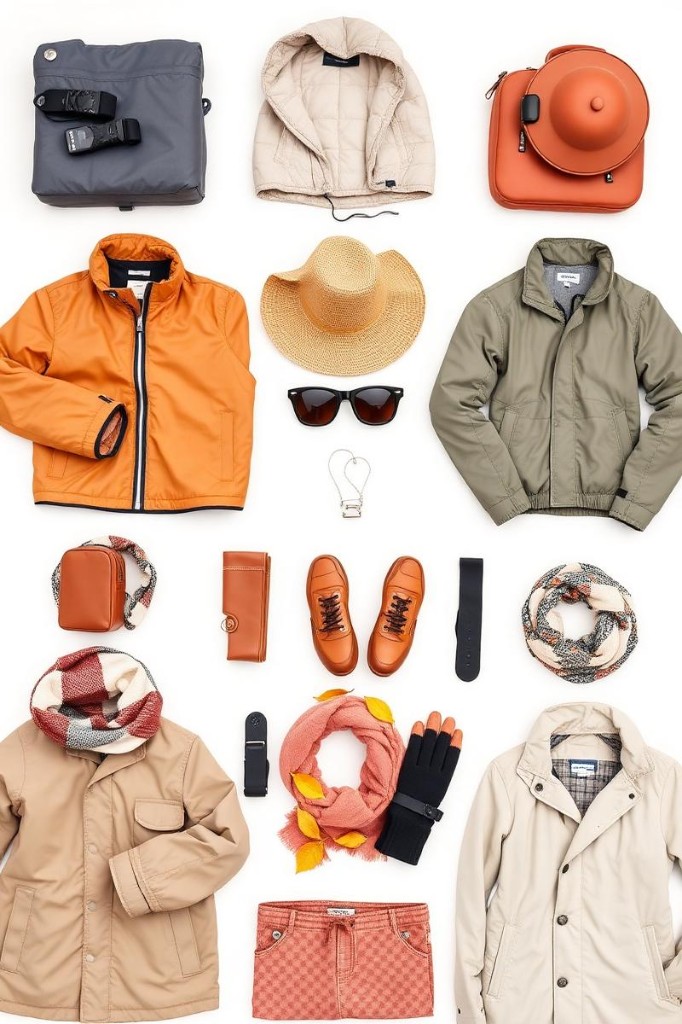
👕 Seasonal packing

Spring (March-May): • Sturdy walking shoes • Fleece jacket for evenings • High-altitude sun protection • Waterproof backpack

Summer (June-August): • Breathable, quick-dry clothing • Effective rain poncho • Non-slip shoes • Mosquito protection

Autumn (September-November): • Layering system • Morning gloves and hat • Glacier sunglasses • High-SPF sunscreen

Winter (December-February): • Heavy-duty down jacket • Thermal underwear • Warm waterproof boots • Complete cold-weather accessories
Travel clothing and gear by season

💰 Seasonal budget

PeriodCenter Accommodation (€/night)Transport (€/day)Restaurants (€/day)Attractions (€)Crowds
Winter (Dec-Feb)80-1202535-5015-25⭐⭐
Spring (Mar-May)100-1603040-6020-35⭐⭐⭐⭐
Summer (Jun-Aug)70-1102030-4515-25⭐⭐
Autumn (Sep-Nov)120-2003545-7025-40⭐⭐⭐⭐⭐

💡 Money-saving tips

All-inclusive packages are often more economical than booking separately • Negotiation possible for private guides in off-season • Homestays are authentic and affordable • Eat in local stalls vs tourist restaurants • Organized groups reduce transport costs

🏥 Health and precautions

Altitude 2,200m / 7,218ft: increased hydration, gradual ascent • Intense sun: maximum UV protection year-round • Thermal variations: dress in layers • Drinking water: sealed bottles recommended • Basic pharmacy: altitude sickness, digestive issues

Events and Festivals

Calendar of must-see festivals in Paro

Festivals transform Paro into a colorful spiritual theater, offering a unique immersion into authentic Bhutanese culture.

🎭 Paro Tsechu (March-April)

Paro's major festival gathers thousands of pilgrims for four days of sacred masked dances in the courtyard of Rinpung Dzong. A privileged moment of spiritual immersion.

Location: Rinpung Dzong, main courtyard

Highlight: Unfurling of the giant thangka at sunrise on the final day

Climate impact: Maximum attendance, bookings required 6 months in advance, complete transformation of the urban atmosphere

Transport access: Special shuttles from the airport, restricted city-center traffic

Planning tip: Hotels fill up, arrival 2 days early is recommended

🌾 Harvest Festival (September)

Celebration of autumn abundance in surrounding villages with harvest blessings, folk dances, and authentic traditional markets.

Location: Valley villages, rotating sites

Highlight: Active participation of local families, non-touristy

Climate impact: Ideal post-monsoon period, clear skies, perfect temperatures for outdoor festivities

Transport access: 4x4 vehicles required, mountain roads

Planning tip: Local guide essential, respect village protocols

❄️ Nyungne Winter Festival (January)

Intensive spiritual retreat of purification in monasteries with fasting, meditation, and nocturnal ceremonies. A unique mystical experience.

Location: Kyichu Lhakhang and peripheral monasteries

Highlight: Participation limited to serious practitioners, silence observed

Climate impact: Harsh winter conditions, heated indoor ceremonies, solemn atmosphere

Transport access: Snowy roads, early morning departures advised

Planning tip: Cold-weather gear, strict respect for monastic rules

Seasonal events

Spring: • Losar (New Year - February/March) • Rhododendron Festival (April) • Agricultural blessings (May)

Summer: • Monsoon rituals (June) • Greenery Festival (July) • Monastic celebrations (August)

Autumn: • Local Dashain (October) • Festival of Lights (November) • Winter markets (November)

Winter: • Winter Solstice (December) • Solar New Year (January) • Spiritual purifications (February)

Responsible Tourism

Paro, a fragile sacred valley, requires tourism that respects the Himalayan environment and centuries-old spiritual traditions.

The Bhutanese concept of Gross National Happiness prioritizes sustainable development and cultural preservation. Respect sacred sites, limit your carbon footprint, support the local economy, and participate in the conservation of this unique heritage.

🌱 Low-season advantages

Visiting in the low season reduces pressure on fragile infrastructure, allows for authentic exchanges with locals, and contributes to more financially balanced tourism.

♻️ Sustainable travel tips

Certified local guides rather than international agencies • Traditional family homestays • Zero plastic waste in monasteries • Strict respect for sacred zones • Carbon offsetting for international flights • Purchase authentic local crafts

🏙️ Local sustainable initiatives

Paro is developing community-based ecotourism with sustainable marked trails, eco-certified accommodations, trained village guides, and participatory reforestation programs supported by the tourist tax.

Our Recommendations

Expert recommendations for your stay in Paro

After analyzing climatic conditions, tourist traffic, and cultural richness, here are our personalized tips to optimize your discovery of this exceptional Himalayan valley according to your expectations and constraints.

🏆 Optimal Period: October-November

Months: October and November

Advantages:
• Crystal-clear visibility of the Himalayas
• Ideal temperatures (8-22°C / 46-72°F)
• Intense blue sky
• Perfect conditions for Tiger's Nest
• Authentic autumn festivals

Key events: Harvest Festival, post-monsoon celebrations

Disadvantages: Maximum crowds, high prices

Ideal profile: First-time visitors, photographers, trekkers

Stay duration: 4-5 days recommended

⚖️ Balanced Alternative: March-April

Months: March and April

Description: Excellent compromise between favorable weather conditions, spectacular rhododendron blooms, and moderate crowds with more accessible rates.

Specific advantages: Unique floral landscapes, pleasant temperatures, fewer crowds than in autumn

For whom: Flexible travelers, nature lovers, intermediate budgets

👥 Tips for your travel style

Family: October-November, valley view accommodations, short activities

Budget: January-February or June-August, local guesthouses, group transport

Culture: Festival periods (March-April), specialized guides, multiple monasteries

Romantic: October, luxury lodges, panoramic sunsets

Weekend: Any season, focus on Tiger's Nest + Dzong, direct flight

First-time visit: October-November, organized tours, English-speaking guides

❌ Periods to avoid: July-August

Months: July and August

Reasons: Intensive monsoon, reduced visibility, muddy trails, limited access to Tiger's Nest

Nuances: Acceptable for experienced travelers seeking authenticity and smaller budgets

Villes du même pays

All cities

Frequently Asked Questions

Answers to essential questions to plan your city trip to Paro based on weather conditions.

What is the best month to visit Paro?

October is the optimal month with perfect visibility of the Himalayas, ideal temperatures (8-22°C / 46-72°F), and crystal-clear skies. November offers similar conditions with fewer crowds. March-April are an excellent alternative with rhododendron blooms and milder prices.

How many days should I plan for Paro?

3 days minimum for the essentials (Tiger's Nest, Rinpung Dzong, National Museum), 4-5 days for an in-depth discovery including the Haa Valley and traditional villages. A week allows for short treks and complete cultural immersion with participation in monastic activities.

What to do in Paro when it rains?

Take refuge in covered heritage sites: National Museum (Ta Dzong) with exceptional collections, interiors of Rinpung Dzong, temples like Kyichu Lhakhang, the covered local market, and visitable traditional houses. Perfect for deepening your cultural and spiritual experience.

Which events should not be missed in Paro?

The Paro Tsechu (March-April) is unmissable with its sacred masked dances and the unfurling of the giant thangka. The Harvest Festival (September) offers an authentic village experience, while the Nyungne winter retreats (January) allow for deep spiritual immersion.

What budget should I plan according to the season?

High season (October-November): 150-250€ / $160-270 per day all-inclusive with premium accommodation. Shoulder seasons (March-May): 120-180€ / $130-195 per day. Low season (June-August, December-February): 80-140€ / $85-150 per day. Add the government tourist tax of $200/day including guide, transport, and basic accommodation.