When to visit Cotonou? City Break Guide

Discover the vibrant economic capital of Benin according to tropical seasons and unique cultural buzz.

  • 1.2 M population
  • French, Fon, Yoruba language
  • 95 days rainy days/year
  • November to March best time to visit
  • 3 to 5 days recommended stay

Climate and Weather in Cotonou

Understanding Cotonou's subequatorial tropical climate

Cotonou enjoys a subequatorial tropical climate influenced by the Atlantic Ocean. The urban heat island effect intensifies temperatures, while the sea breeze provides relative cooling. This oceanic proximity moderates climatic extremes, making it suitable for pleasant city breaks.

  • Coastal Zone: Moderate oceanic influence with refreshing sea breezes
  • Urban Center: More pronounced heat island effect with slightly higher temperatures
  • Periphery: Transition toward a continental climate with more marked variations
MonthMin Temp (°C / °F)Max Temp (°C / °F)Precipitation (mm)Sunshine (h/day)Tourist TrafficRecommended Activities
January24°C / 75°F31°C / 88°F157⭐⭐⭐⭐Markets, beaches, festivals
February25°C / 77°F32°C / 90°F257⭐⭐⭐⭐⭐Carnival, nightlife
March26°C / 79°F33°C / 91°F656⭐⭐⭐⭐Museums, historic districts
April26°C / 79°F32°C / 90°F1256⭐⭐⭐Shopping malls, indoor activities
May25°C / 77°F31°C / 88°F1655⭐⭐Galleries, covered restaurants
June24°C / 75°F29°C / 84°F2854⭐⭐Museums, cultural centers
July23°C / 73°F28°C / 82°F954⭐⭐Dry break, walking tours
August23°C / 73°F28°C / 82°F454⭐⭐⭐Short dry season
September24°C / 75°F29°C / 84°F1255⭐⭐Indoor activities
October24°C / 75°F30°C / 86°F856⭐⭐⭐Favorable transition
November25°C / 77°F32°C / 90°F257⭐⭐⭐⭐Return of good weather
December24°C / 75°F31°C / 88°F157⭐⭐⭐⭐⭐Holidays, beaches, terraces

The low altitude (sea level) keeps temperatures consistently high. Urban microclimatic variations are primarily due to building density and proximity to the ocean.

The Seasons

Must-sees by Weather

Optimize your stay by adapting your visits to the weather conditions. Cotonou offers a diversity of attractions for all types of weather.

☔ In cloudy/rainy weather

Indoor & Protected

Perfect cultural refuges for humid days, offering immersion in Beninese art and history.

Must-see Sites:
🏛️ da Silva Museum (2h, 2000 CFA, year-round)
🎨 French Cultural Center (1h30, free, temporary exhibitions)
🛍️ Covered Dantokpa Market (3h, free, largest market in West Africa)
🏢 Modern shopping malls (2-4h, air-conditioned)
🍽️ Covered gourmet restaurants (1-2h, cozy atmosphere)
⛪ Notre-Dame Cathedral (45min, remarkable architecture)
🎭 Palais des Congrès (cultural events)

Practical Tip: Online booking recommended for temporary exhibitions; avoid market rush hours

Additional Tip: Combine a museum visit with a gourmet restaurant for a full cultural day

☀️ In good weather

Optimal Outdoor

Take full advantage of the tropical sun and sea breeze to explore outdoor treasures.

Must-see Sites:
🏖️ Fidjrossè Beach (half-day, exceptional sunset)
🌊 Marina and fishing port (2h, early morning for activity)
🏛️ Independence Square (1h, historic heart)
🌳 Mathieu Bouké Park (1h30, urban green space)
🏠 Nearby historic district of Ganvié (full day)
🎪 Fetish Market (1h, morning recommended)
🚶 Waterfront promenade (2h, ideal in late afternoon)

Best Time of Day: Sunrise at the port (6am-7am), sunset on the beach (6pm-7pm) for exceptional photos

Seasonal Tip: November to March is optimal; avoid 12pm-3pm during the hottest periods

🌤️ Versatile for all weather

Flexible

Maximum adaptability with indoor and outdoor spaces depending on weather whims.

Versatile Sites:
🏨 Hotels with covered terraces
🍴 Restaurants with indoor/outdoor spaces
🛍️ Semi-covered artisanal markets
🎵 Cultural centers with gardens
🏛️ Mixed architectural complexes

Weather Tip: Start with covered spaces in the morning, outdoors in the afternoon if weather improves

Example Itinerary: Museum in the morning, lunch on a covered terrace, semi-open market depending on weather

💰 Free or economical

No Cost

Free Sites:
🏖️ Public beaches
🚶 Historic neighborhood walks
🎪 Local markets (free entry)
🌳 Public parks
⛪ Religious buildings

Free Days: Some museums offer free access on Sunday mornings

Budget Tips: Panoramas from hotel terraces, food markets to taste local flavors, residential neighborhoods for architecture

Practical Guide

Prepare your city break with our recommendations adapted to the tropical climate and the urban buzz of Cotonou. Anticipate seasonal variations for an optimal stay.

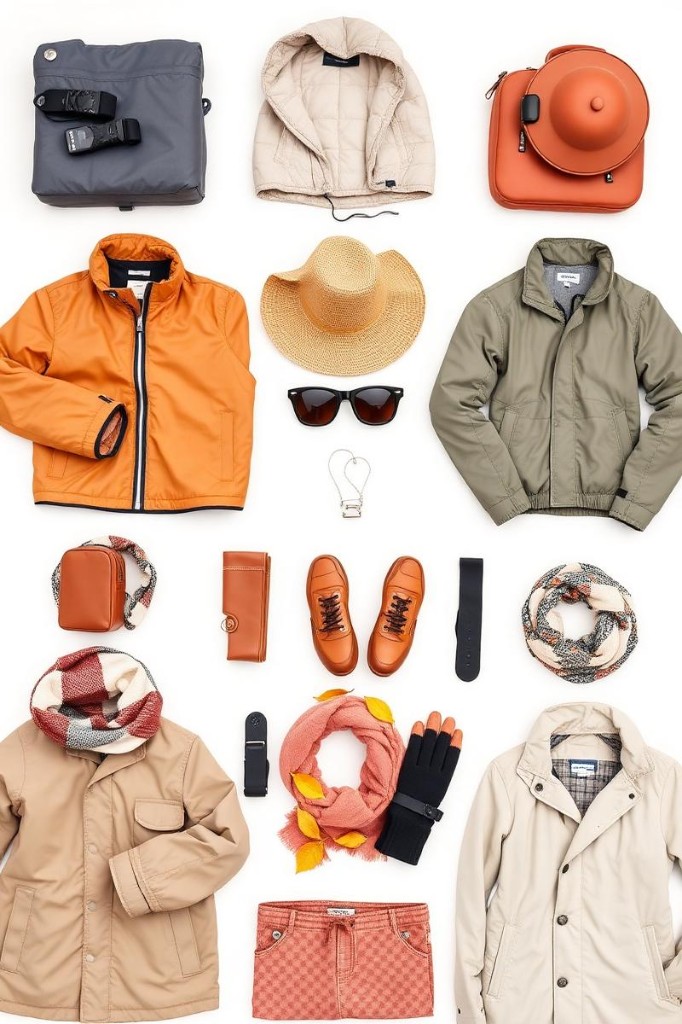
👕 Seasonal packing

Dry Season (Nov-Mar): • Lightweight breathable shoes • Hat/cap mandatory • Lightweight cotton clothing • Sunglasses • SPF50 sunscreen

Rainy Season (Apr-Jul): • Waterproof non-slip shoes • Compact umbrella • Lightweight waterproof jacket • Quick-dry clothing • Plastic bag for electronics protection

Year-round: • Respectful attire for religious sites • Long clothing for evening mosquito protection • Easy-to-remove sandals • Secure crossbody bag
Travel clothing and gear by season

💰 Seasonal budget

PeriodCity Center Accommodation (€/night)Transport (€/day)Restaurants (€/day)Attractions (€)Crowds
Dec-Feb (High)45-808-1215-2520-30⭐⭐⭐⭐⭐
Mar-May (Mid)30-556-1012-2015-25⭐⭐⭐
Jun-Aug (Low)25-405-810-1510-20⭐⭐
Sep-Nov (Transition)35-607-1112-2215-25⭐⭐⭐

💡 Money-saving tips

City pass: Profitable from 3 attractions visited
Restaurants: Lunch is 30% cheaper than dinner
Accommodation: Peripheral neighborhoods are -40% with efficient transport
Free events: Street festivals, concerts in public squares
Transport: Unlimited daily pass is more economical than individual trips

🏥 Health and precautions

Hydration: 3L minimum/day due to tropical climate
Sun protection: Reapply cream every 2 hours
Mosquitoes: DEET 30% minimum repellent
24h Pharmacies: Locate before arrival
Food/Drink: Bottled water, personally peeled fruits
Intensive walking: Regular shade breaks, appropriate footwear

Urban Events

Calendar of must-see events in Cotonou

Festivals and celebrations set the pace for life in Cotonou, transforming the urban atmosphere and creating a unique cultural buzz that influences visitor numbers and the city's mood.

🎭 International Festival of Porto-Novo & Cotonou (February)

The major cultural event: theater, dance, and traditional and contemporary music take over the streets. A complete transformation of the urban atmosphere with both free and paid performances.

Location: City center, Palais des Congrès, public squares

Highlights: Unique blend of Voodoo traditions and contemporary arts

Climate Impact: Ideal dry period, maximum attendance, book accommodation 2 months in advance

Transport Access: Special shuttles, city center traffic disrupted

Pro Tip: Book shows online; accommodation in the periphery is more available

🎪 Voodoo Festival (January 10)

Major spiritual celebration: colorful processions, traditional rituals, and sacred music. An authentic immersion into deep Beninese culture with ceremonies on the beach.

Location: Fidjrossè Beach, Voodoo temples, city center

Highlights: The only officially recognized Voodoo festival in the world

Climate Impact: Perfect dry season, large local crowds, respectful protocols required

Transport Access: Public transport reinforced toward beaches

Pro Tip: Local guide recommended, respectful attire mandatory

🎵 World Music Festival (December)

International musical fusion: African and international artists, free and paid concerts. Festive year-end atmosphere with multiple stages throughout the city.

Location: Stadium, public squares, luxury hotels

Highlights: Eclectic programming mixing stars and new discoveries

Climate Impact: Optimal weather, tourist peak, maximum accommodation prices

Transport Access: Special shared taxis, temporary parking

Pro Tip: Online ticketing opens 3 months in advance; book accommodation 6 months ahead

Seasonal events

Dry Season: • Cotonou Carnival (February-March, costumed parades) • National Day (August 1, military parades) • Artisanal Christmas Market (December, public square)

Rainy Season: • African Film Festival (May, air-conditioned cinemas) • Heritage Days (June, free tours) • University Cultural Week (September)

Impactful Holidays: Administrative and some museum closures on Mondays, reduced market activity on Sundays

Responsible City Break

Adopt respectful urban tourism for the local environment and communities. Your seasonal choices directly influence urban congestion and ecological impact.

Cotonou is developing urban eco-responsible initiatives: favor soft mobility, authentic local businesses vs. international chains, responsible waste management, respect for residential neighborhoods, and avoidance of concentrated overtourism.

🌱 Low-season advantages

Visiting during the rainy season reduces transport congestion, offers an authentic experience of local life, provides attractive prices, and avoids overtourism while reducing ecological impact.

♻️ Sustainable travel tips

Transport: Favor electric 'zemidjans' (motorcycle taxis) and walking
Dining: Local 'maquis' vs. tourist restaurants
Accommodation: Environmentally certified establishments
Shopping: Local crafts, avoid disposable plastic
Tours: Popular neighborhoods with resident guides
Water: Reusable bottles, public fountains

🏙️ Local sustainable initiatives

Cotonou is developing electric 'zemidjans', expanding pedestrian zones, greening urban spaces, strengthening community recycling, supporting local organic markets, and promoting certified urban ecotourism.

Our Recommendations

Recommendations for your city break in Cotonou

Our in-depth climatic analyses and local expertise converge into personalized advice. The optimal balance between favorable weather, controlled crowds, authentic cultural events, and reasonable prices guides our recommendations to maximize your Cotonou experience according to your traveler profile.

🌟 Optimal Period

Recommended Months: December to February

Advantages:
• Perfect weather conditions (25-32°C / 77-90°F)
• Festive year-end/start-of-year atmosphere
• Major cultural events concentrated
• Ideal beaches and intense nightlife
• Optimal transport and services

Key Events: World Music Festival, Voodoo Festival, Carnival

Disadvantages: Maximum tourist attendance, accommodation prices +60%

Ideal Profile: First-time visitors, families, festival lovers

Stay Duration: 4-5 days recommended

⚖️ Interesting Alternative

Alternative Months: November and March

Description: Smart compromise between favorable climatic conditions and moderate attendance. Weather is still excellent at the beginning/end of the tourist season.

Specific Advantages: 30% fewer tourists, attractive pre/post-season prices, alternative cultural events, accommodation availability

For Whom: Experienced travelers, controlled budgets, those seeking authenticity

👥 Tips for your travel style

Family: Haie Vive neighborhood + beach activities + December-February + private transport + hotels with pools

Budget: Akpakpa periphery + local 'maquis' + May-September + public transport + homestays/guesthouses

Culture: Historic center + museums/galleries + year-round + walking + heritage guesthouses

Romantic: Waterfront + gourmet restaurants + December-February + private taxis + boutique hotels with ocean views

Weekend: Accessible center + concentrated must-sees + avoid rainy season + maximum efficiency + central location

First Trip: Safe neighborhoods + local guides + dry season mandatory + all-inclusive + international hotels

⚠️ Periods to Avoid

Discouraged Months: May to July

Reasons: Intense daily rains, very limited outdoor activities, disrupted transport, maximum uncomfortable humidity

Nuance: Acceptable for cultural travelers focusing on museums, very tight budgets, or short business trips

Villes du même pays

All cities

Frequently Asked Questions

Answers to essential questions to help you plan your city break according to Cotonou's climatic and urban specifics.

What is the best month to visit Cotonou?

January and February offer optimal conditions: perfect weather (25-32°C / 77-90°F), major cultural events like the Voodoo Festival and Carnival, ideal beaches, and a festive atmosphere. December is also excellent but more expensive. For a quality-price compromise, choose November or March for 90% of the benefits with 30% fewer tourists.

How many days should I plan for Cotonou?

3 to 5 days allow you to discover the essentials: 2 days for the historic center and museums, 1 day for beaches and the port, and 1 day for markets and popular neighborhoods. Add 1-2 days for festivals or a trip to Ganvié. A weekend is enough for a glimpse, but 4 days offer the ideal pace to soak up the tropical urban atmosphere.

What to do in Cotonou when it rains?

There are many indoor alternatives: the da Silva Museum for local history, the French Cultural Center for exhibitions, the covered Dantokpa Market (the largest in West Africa), air-conditioned shopping malls, gourmet restaurants, and covered cafes. Tropical rains are often short and intense, giving way to usable clearings.

What events should not be missed in Cotonou?

Must-sees: Voodoo Festival (January 10, unique in the world), International Theater/Dance Festival (February), World Music Festival (December), and the colorful Carnival (February-March). In the rainy season: African Film Festival (May) and Heritage Days (June). Each event transforms the urban atmosphere and requires advance accommodation booking.

What budget should I plan for each period?

High season (Dec-Feb): €80-120/day all-inclusive. Mid-season (Mar-May, Sep-Nov): €60-90/day. Low season (Jun-Aug): €45-70/day. Main variables: accommodation (€25-80/night), dining (€10-25/day), transport (€5-12/day). Major festivals increase prices by 40-60%. A tight budget is possible with local 'maquis' and public transport.