When to visit Benin? Complete Guide

Between northern savannas and coastal lagoons, Benin reveals contrasting climates that transform every season into a unique experience.

  • 13.3 M population
  • French language
  • 80 days rainy days/year
  • November to March best time to visit
  • 7 to 14 days recommended stay

Weather and Climate in Benin

Understanding the diverse tropical climate of Benin

Calm lake landscape with a boat on the water reflecting the tropical and humid climate of Benin by A F on Unsplash

Benin features three distinct climate zones influenced by the Saharan harmattan, the Atlantic monsoon, and variations in latitude. This diversity offers varied meteorological experiences depending on the region visited.

  • Southern coastal zone: Humid equatorial climate with two distinct rainy seasons
  • Central zone: Tropical transition climate with a marked dry season
  • Northern zone: Dry Sudanese climate with harmattan and a concentrated rainy season
MonthTemperature (°C / °F)Precipitation (mm / in)Humidity (%)
January26-33°C / 79-91°F15mm / 0.6in65
February28-35°C / 82-95°F25mm / 1.0in68
March29-36°C / 84-97°F55mm / 2.2in72
April28-34°C / 82-93°F95mm / 3.7in78
May27-32°C / 81-90°F125mm / 4.9in82
June25-30°C / 77-86°F180mm / 7.1in85
July24-29°C / 75-84°F85mm / 3.3in83
August24-29°C / 75-84°F45mm / 1.8in82
September25-30°C / 77-86°F95mm / 3.7in84
October26-32°C / 79-90°F125mm / 4.9in81
November27-33°C / 81-91°F35mm / 1.4in75
December26-33°C / 79-91°F10mm / 0.4in68

Altitude variations remain moderate, from 0 to 658m / 2,159ft at Mount Sokbaro, having little influence on temperatures but affecting local precipitation.

The Seasons in Benin

Climate by Region in Benin

The climatic diversity of Benin expresses itself differently according to the regions, from the humid Atlantic coast to the dry savannas of the north, offering distinct meteorological experiences.

🏖️ Southern Coastal Region

Description: Including Cotonou, Porto-Novo, and Ouidah, this zone benefits from an equatorial climate moderated by the Atlantic Ocean. Two distinct rainy seasons create a specific rhythm. Lagoons and dense vegetation characterize this most populous region of the country.

PeriodWeatherTemperatureRecommended activities
Nov-MarDry and sunny26-33°C / 79-91°FBeaches, historical heritage
Apr-JulRainy25-32°C / 77-90°FMuseums, covered markets
AugLull24-29°C / 75-84°FFestivals, lagoon excursions
Sep-OctHeavy rains25-30°C / 77-86°FGastronomy, crafts

Specifics: Refreshing sea breeze, constant humidity 75-85%, best visibility of historical sites in the dry season.

🌳 Central Region

Description: Transition zone around Abomey and Bohicon, characterized by gentle hills and mixed savanna-forest vegetation. The tropical climate is more contrasted here with a well-marked dry season and slightly higher temperatures than on the coast.

PeriodWeatherTemperatureRecommended activities
Nov-FebDry, harmattan25-35°C / 77-95°FAbomey Palaces, hiking
Mar-MayHot, pre-rains28-36°C / 82-97°FCultural sites early in the morning
Jun-SepRainy season24-32°C / 75-90°FLocal crafts, gastronomy
OctoberEnd of rains26-33°C / 79-91°FMarkets, Voodoo ceremonies

Specifics: More marked thermal amplitudes, harmattan dust in the dry season, easier access to historical sites.

🦁 Northern Region (Savannas)

Description: Including the Pendjari and W national parks, this Sudanese zone offers the driest climate in the country. Savannas stretch as far as the eye can see, punctuated by baobabs and water points essential to the region's exceptional wildlife.

PeriodWeatherTemperatureRecommended activities
Nov-FebDry, cool in the morning20-35°C / 68-95°FOptimal safaris, wildlife viewing
Mar-AprVery hot and dry25-40°C / 77-104°FSafaris early in the morning only
May-SepRainy season23-33°C / 73-91°FParks closed/difficult access
OctoberEnd of rains24-34°C / 75-93°FGradual reopening of parks

Specifics: Significant day/night temperature differences, animal concentration around water points in the dry season, impassable roads in the rainy season.

Practical Guide for Benin

Traveling to Benin requires preparation adapted to significant climatic variations between seasons and regions. From coastal lagoons to northern savannas, each zone requires specific gear to fully enjoy your stay.

👕 Seasonal packing

Dry season (November-March):

  • Light cotton and linen clothing
  • Sun protection (hat, sunglasses)
  • Light jacket for evenings
  • Closed-toe shoes for safaris
  • Scarf against harmattan dust

Rainy season (April-October):

  • Quick-drying clothing
  • Quality raincoat or poncho
  • Waterproof non-slip shoes
  • Plastic bags to protect electronics
  • Extra changes of clothing
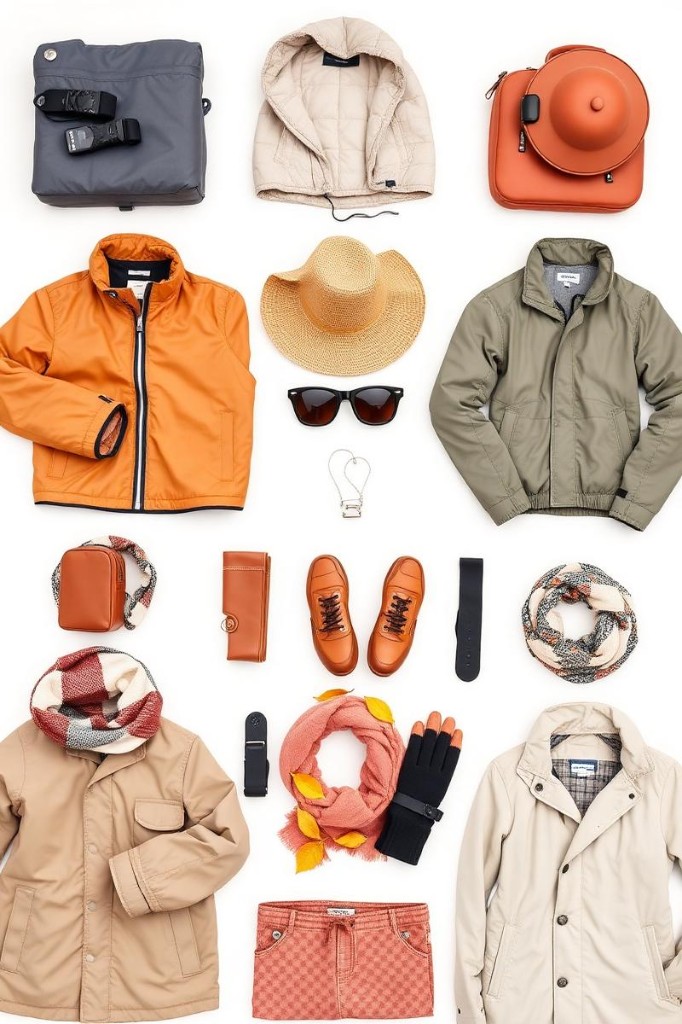
Travel clothing and gear by season

💰 Seasonal budget

PeriodAccommodation (€)Transport (€)Activities (€)Crowds (/5)Savings Tips
Nov-Feb50-12080-15040-804/5Book 2 months in advance
Mar-Apr45-10070-13035-703/5Negotiate group rates
May-Jul30-7050-9025-502/5Take advantage of promotions
Aug40-8560-11030-603/5Book festivals in advance
Sep-Oct25-6045-8020-451/5Best prices of the year

💡 Money-saving tips

  • Avoid December-January: Price peaks during holidays and high tourist season
  • Prioritize May-September: Discounts up to 40% on accommodation and activities
  • Book safaris in advance: Even in low season to guarantee availability
  • Negotiate transport: Flexible rates, especially for long-distance travel
  • Bundle activities: Advantageous packages for multiple visits

🏥 Health and precautions

  • Mandatory vaccinations: Yellow fever; recommended: hepatitis A/B, typhoid, meningitis
  • Malaria: Preventive treatment essential all year, mosquito nets and repellents
  • Dry season: Enhanced sun protection, constant hydration against harmattan
  • Rainy season: Beware of stagnant water, increased gastrointestinal risks
  • Medical kit: Antiseptics, anti-diarrheals, thermometer, sufficient personal medication

Events & Festivals in Benin

Cultural calendar and traditional festivities to discover in Benin

Beninese festivals punctuate the year and reveal the cultural richness of the cradle of Voodoo, offering unique authentic experiences.

Voodoo Festival (January 10)

Description: National celebration of Voodoo with traditional ceremonies, ritual dances, and initiations throughout the country. Intense mystical and spiritual atmosphere, particularly in Ouidah and Porto-Novo where high priests officiate publicly.

Location: National, epicenter in Ouidah

Key feature: The only national holiday in the world dedicated to a traditional African religion

Climate impact: Dry season ideal for outdoor ceremonies

Festival of Arts and Culture (July-August)

Description: Major cultural event gathering artists, musicians, and dancers from all over West Africa. Daily performances, contemporary and traditional art exhibitions, and participatory workshops in a festive and friendly atmosphere.

Location: Cotonou, Porto-Novo, Abomey

Key feature: Unique fusion between ancestral traditions and contemporary creations

Climate impact: Period of rainfall lull, mild temperatures

Yam Festival (August-September)

Description: Celebration of the new yam harvest with blessing rituals, community feasts, and traditional dances. A moment of sharing and gratitude towards ancestors, particularly authentic in the villages of the center and north.

Location: Rural regions, notably around Abomey and Parakou

Key feature: Active participation possible in rituals and culinary preparations

Climate impact: End of the rainy season, roads sometimes difficult

Seasonal events

Dry season (Nov-Mar):

  • Voodoo Festival (January)
  • Cotonou Carnival (February-March)
  • Gèlèdè Mask Festival (March)

Rainy season (Apr-Oct):

  • Arts Festival (July-August)
  • Yam Festival (August-September)
  • Jazz Festival (October)

Responsible Travel in Benin

Traveling responsibly in Benin means respecting natural cycles and supporting local communities while preserving the exceptional biodiversity of the country.

Benin is home to fragile ecosystems from coastal lagoons to northern savannas. Respecting wildlife breeding periods, minimizing impact on traditional villages, and choosing local providers contribute to sustainable tourism.

🌱 Low-season advantages

Traveling in the rainy season reduces tourist pressure on fragile sites, supports the local economy during the off-season, and lowers your carbon footprint thanks to more affordable airfares.

♻️ Sustainable travel tips

  • Water management: Use resources sparingly, especially in the dry season
  • Waste: Take back non-biodegradable waste, avoid single-use plastic
  • Transport: Prioritize public transport and local guides
  • Wildlife: Observe from a respectful distance, do not feed wild animals
  • Culture: Ask permission before taking photos, respect religious prohibitions
  • Purchases: Favor local crafts and fair-trade products

🏙️ Local sustainable initiatives

Benin is developing community-based ecotourism with village-managed lodges, elephant conservation programs in the Pendjari, and solar energy projects in rural areas.

Our Recommendations

Expert advice to optimize your trip to Benin

After analyzing climatic data and our field experience, we recommend specific periods according to your priorities. The climatic diversity of Benin allows for travel all year round, but certain periods optimize comfort, budget, and authentic experiences depending on your traveler profile.

🏆 Optimal period: November to February

Recommended months: November, December, January, February

Advantages:

  • Ideal weather conditions everywhere
  • All sites accessible
  • Optimal wildlife viewing
  • Numerous cultural festivals
  • Excellent photographic visibility

Disadvantages:

  • High prices (high season)
  • Significant tourist crowds

Ideal profile: First-time visitors, families, safaris, photography

⚖️ Balanced alternative: March and October

Alternative months: March and October

Description: Transition periods offering an excellent compromise between acceptable weather conditions and moderate rates

Specific advantages:

  • Attractive intermediate rates
  • Fewer tourists
  • Conditions still favorable
  • Lush vegetation in October

👥 Tips for your travel style

👨‍👩‍👧‍👦 Family: November-February for safety and comfort. Avoid rainy season with young children.

💰 Budget: May-September for maximum savings. Accept weather constraints for 40% reduced rates.

🎒 Adventure: October-November for lush post-rain landscapes and optimal trekking conditions.

✨ Luxury: December-January for high-end services and exclusive experiences in high season.

📸 Photographer: November-February for ideal light and maximum visibility. March for striking contrasts.

⚠️ Periods to avoid: June-July and September

Rainfall peaks making travel difficult, especially towards northern parks. Maximum humidity and impassable roads in some regions.

Cities to explore

Discover the must-sees of urban travel

All cities

Frequently Asked Questions

Answers to essential questions to effectively plan your trip to Benin according to climatic conditions.

When is the best time to visit Benin?

The optimal period is from November to February with ideal weather conditions: pleasant temperatures (24-33°C / 75-91°F), minimal rainfall, and excellent accessibility to all sites. This is particularly recommended for safaris in the northern parks where wildlife concentrates around water points.

Can you travel to Benin during the rainy season?

Yes, but with necessary adaptations. The May-September period offers advantageous rates (-40%) and lush landscapes. However, access to northern parks is limited and roads can be difficult. Focus on the coastal region and bring waterproof gear.

What vaccinations are mandatory for Benin?

Vaccination against yellow fever is mandatory and the certificate is required for entry. Highly recommended: hepatitis A and B, typhoid, meningitis. An anti-malarial treatment is essential all year round, as Benin is an endemic zone.

How should one dress according to the seasons in Benin?

In the dry season: light cotton clothing, sun protection, and a jacket for cool evenings. In the rainy season: prioritize quick-drying fabrics, a quality raincoat, and waterproof shoes. Always pack long sleeves for mosquito protection.

Are national parks accessible all year round?

No, the northern parks (Pendjari, W National Park) generally close from May to October because rains make the tracks impassable. The best time for safaris is from November to April, with a peak for observation from December to February when animals gather near water points.