When to visit Parakou? City-Trip Guide

Discover the capital of northern Benin according to its contrasting seasons and authentic urban atmosphere.

  • 0.3 M population
  • French, Bariba, Dendi language
  • 85 days rainy days/year
  • from November to March best time to visit
  • 2 to 4 days recommended stay

Climate and weather in Parakou

Understanding the dry tropical climate of Parakou

Parakou enjoys a dry tropical Sudanese climate characterized by two distinct seasons. Located 350 km / 217 miles north of Cotonou, the city experiences more pronounced temperature variations than the south of the country, with a moderate urban heat island effect.

The Parakou region belongs to the Sudanese climatic zone, with a long dry season from November to March and a rainy season from May to October. The Harmattan winds from the north bring coolness and dust during the dry season.

MonthMin Temp (°C / °F)Max Temp (°C / °F)Precipitation (mm / in)Sunshine (h/day)Tourist TrafficRecommended Activities
January18°C / 64°F35°C / 95°F5mm / 0.2in8★★★Market, cultural visits
February21°C / 70°F37°C / 99°F10mm / 0.4in8★★★Excursions, festivals
March24°C / 75°F39°C / 102°F25mm / 1in7★★Morning visits
April25°C / 77°F38°C / 100°F80mm / 3.1in6Indoors, rest
May24°C / 75°F35°C / 95°F120mm / 4.7in5Museums, crafts
June23°C / 73°F32°C / 90°F140mm / 5.5in4Indoor culture
July22°C / 72°F29°C / 84°F180mm / 7.1in3Rest, reading
August22°C / 72°F28°C / 82°F200mm / 7.9in3Indoors only
September22°C / 72°F30°C / 86°F160mm / 6.3in4Covered activities
October23°C / 73°F33°C / 91°F90mm / 3.5in6★★Transition, markets
November21°C / 70°F35°C / 95°F15mm / 0.6in7★★★All activities
December18°C / 64°F35°C / 95°F5mm / 0.2in8★★★★Festivities, discovery

The modest altitude of 350 meters / 1,148 feet has little influence on the climate, but the geographical position in the heart of Benin creates more pronounced thermal contrasts than in the coastal zone, with cooler nights during the dry season.

The seasons

Must-sees by weather

Optimize your discovery of Parakou by adapting your visits to weather conditions. This weather-dependent approach guarantees a successful urban experience.

☔ In cloudy/rainy weather

Indoor & protected

Take advantage of covered spaces to discover the cultural soul of Parakou. Rainy days reveal an intimate side of the city.

Recommended sites:
🏛️ Parakou Regional Museum (2h, 2000F CFA, all year round)
🎭 Ouando Kpéra Cultural Center (1h30, free, evening shows)
🛍️ Grand Covered Market of Azèkè (3h, free, morning optimal)
🏛️ Royal Palace of the Bariba (1h, 1500F CFA, guide included)
🎨 Traditional craft workshops (2h, 1000F CFA, demonstrations)
☕ Traditional covered maquis (meals, 2000-4000F CFA)

Practical tip: Book guided tours in advance; reduced attendance guarantees a personalized experience

Additional tip: Combine market-museum-crafts for a complete cultural immersion in one day

☀️ In good weather

Optimal outdoors

The sun of Parakou reveals all the beauty of open spaces and the animation of traditional neighborhoods.

Recommended sites:
🌳 Botanical Garden and Zoo (3h, 1000F CFA, cool morning)
🏛️ Independence Square and monuments (1h, free, sunrise/sunset)
🏘️ Traditional Banikanni district (2h, free, morning)
🌊 Artificial lake and promenade (1h30, free, late afternoon)
⛪ Central Mosque and architecture (30min, respect prayer times)
🎪 Guéma open-air market (2h, free, early morning)

Best time of day: Sunrise over the lake (6:30 AM), sunset from Kpéra hill (6:30 PM)

Season tip: Favor November-February, avoid March-April (excessive heat)

🌤️ Versatile for all weather

Flexible

These sites adapt to weather changes thanks to their mixed indoor-outdoor spaces.

Recommended sites:
🏨 City Hall and adjoining gardens (1h, free, colonial architecture)
🎓 University of Parakou campus (free, covered spaces and gardens)
🍽️ Restaurants with covered terraces (city center district)

Weather tip: Start outside if the weather is nice, retreat inside in case of a downpour

Example itinerary: Morning university campus, lunch on a covered terrace, afternoon city hall depending on weather

💰 Free or economical

No cost

Free sites:
• Independence Square and monuments
• Artificial lake promenade
• Traditional neighborhoods (Banikanni, Kpéra)
• Central Mosque (outside prayer hours)
• Azèkè Market (free entry, optional purchases)

Budget tips: Panoramas from Kpéra hill, local markets for economical meals, residential neighborhoods for authentic atmosphere

Practical Guide

Prepare your stay in Parakou by taking into account climatic and urban specificities. These practical tips will optimize your comfort and budget according to the chosen period.

👕 Seasonal packing

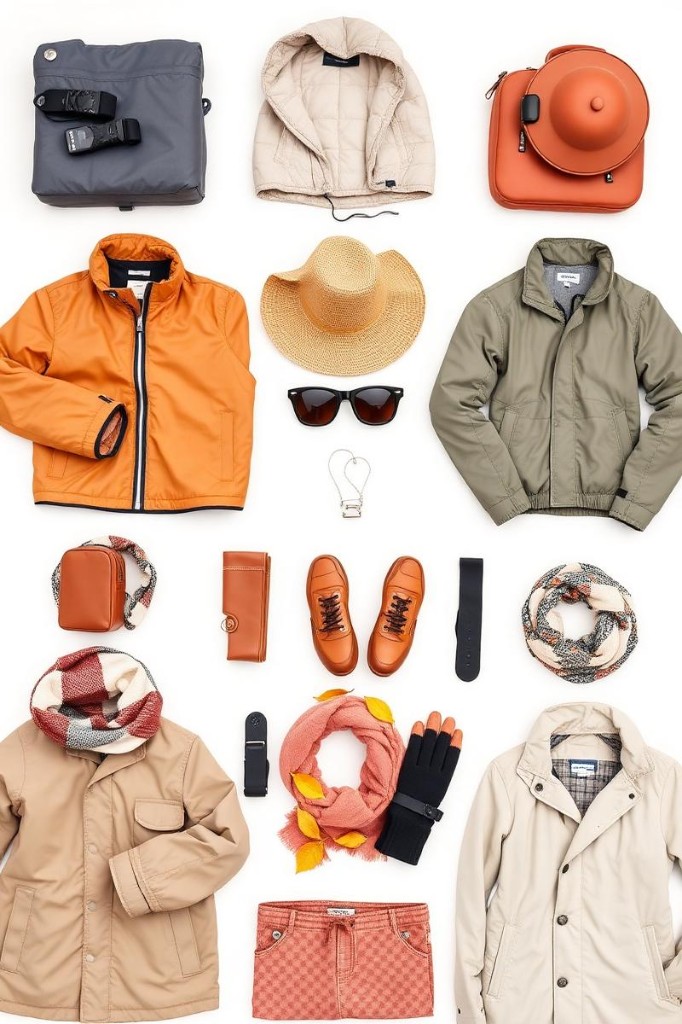
Dry season (Nov-Mar): • Closed dust-proof shoes • Lightweight cotton clothing • Hat and sunglasses • Light jacket for cool evenings

Rainy season (May-Oct): • Waterproof non-slip shoes • Compact rain jacket • Sturdy umbrella • Quick-dry clothing • Waterproof bag for devices
Travel clothing and gear by season

💰 Seasonal budget

PeriodCenter Accommodation (€/night)Transport (€/day)Restaurants (€/day)Attractions (€)Attendance
High season (Dec-Feb)25-458-1215-2510-15★★★★
Mid-season (Nov, Mar)20-356-1012-208-12★★★
Low season (May-Oct)15-255-810-156-10

💡 Money-saving tips

• Negotiate accommodation prices in the low season (up to -40%)
• Favor local maquis over tourist restaurants
• Use public transport (economical zemidjans)
• Visit free sites as a priority
• Buy at the local market for souvenirs

🏥 Health and precautions

Urban precautions:
• Increased hydration in the dry season (harmattan is drying)
• Mosquito protection in the rainy season
• Closed shoes against dust and mud depending on the season
• Pharmacies available in the city center for emergencies
• Sunscreen essential (intense UV all year round)

Urban events

Calendar of unmissable events in Parakou

Cultural events in Parakou punctuate urban life and offer an authentic immersion into the traditions of northern Benin.

Gaani Festival (December-January)

The largest traditional Bariba festival that transforms Parakou into a regional cultural capital. Traditional dances, local music, and ancestral ceremonies enliven all districts of the city.

Location: City center and Independence Square

Special feature: Participation of communities from all over Borgou, free open-air performances

Climate impact: Ideal dry period, maximum attendance, accommodation bookings essential 2 months in advance

Transport access: Special shuttles from the bus station, city center traffic disrupted

Advance advice: Book accommodation from October, arrive 2 days early to soak up the atmosphere
Gogounou Cattle Market (Every 4 days)

The largest cattle market in West Africa, accessible from Parakou. A unique experience of traditional trade and intercultural encounters with Fulani herders.

Location: Gogounou (45 min / 28 miles from Parakou)

Special feature: Authentic non-touristy market, negotiations in several local languages

Climate impact: Avoid the rainy season (difficult roads), optimal in the dry season

Transport access: Bush taxi from Parakou bus station, departure at 6 AM

Advance advice: Local guide recommended, plan for a full day, return before 4 PM
Independence Day (August 1st)

National celebration with parades, concerts, and popular festivities. Parakou, as a regional capital, organizes large-scale events that bring together the entire population.

Location: Independence Square and main thoroughfares

Special feature: Military parade, regional folk groups, fireworks

Climate impact: Peak rainy season, events adapted with covered fallback spaces

Transport access: City center closed to traffic, walking from peripheral accommodations

Advance advice: Arrive early for good spots, bring an umbrella, guaranteed atmosphere despite the weather

Seasonal events

Dry season: • Gaani Festival (December-January) • Night markets (November-March) • Open-air concerts at Independence Square (February-March)

Rainy season: • National Day (August 1st) • Indoor festivals at cultural centers (June-September) • Covered traditional ceremonies (July-August)

Note: Some sites close on local public holidays; check the Bariba calendar before traveling

Responsible city trip

Discover Parakou in an ethical and sustainable way by respecting the local environment and supporting the community economy of this developing city.

Parakou offers excellent opportunities for responsible tourism: favor walking or local transport, support traditional Bariba crafts, respect religious customs, and participate in the local economy via family maquis rather than international chains.

🌱 Low-season advantages

Visiting during the rainy season reduces tourist pressure, allows for more authentic exchanges with locals, supports the local economy during off-peak periods, and limits the environmental impact of overloaded transport.

♻️ Sustainable travel tips

• Use zemidjans and public transport rather than private taxis
• Eat in local maquis run by families
• Buy crafts directly from creators at the Azèkè market
• Respect prayer times and dress traditions
• Avoid plastic, bring a reusable water bottle
• Favor walking in the compact city center

🏙️ Local sustainable initiatives

Parakou is developing urban ecological initiatives: plastic waste recycling program, promotion of urban cycling, weekly organic markets, peri-urban reforestation, and support for traditional artisan cooperatives to preserve ancestral know-how.

Our recommendations

Recommendations for your city trip to Parakou

After analyzing climatic data, tourist traffic, and cultural events, here are our personalized tips to optimize your discovery of Parakou. The choice of period will significantly influence your urban experience, between climatic comfort, event richness, and travel budget.

Optimal period: December to February

Advantages:
• Ideal climatic conditions (18-35°C / 64-95°F, dry)
• Gaani Festival and maximum festive atmosphere
• All sites accessible and open
• Pleasant cool nights for rest
• Roads in perfect condition for excursions

Flagship events: Gaani Festival, night markets, concerts at Independence Square

Disadvantages: Accommodation prices +30%, maximum tourist traffic

Ideal profile: First-time visitors, traditional culture lovers, families

Stay duration: 3-4 days recommended
Interesting alternative: November and March

Excellent alternative offering an optimal balance between favorable weather conditions, moderate prices, and local authenticity. Fewer crowds allow for more personalized exchanges with locals.

Specific advantages: Reduced prices -20%, less crowded sites, weather still mild, local cultural events

For whom: Experienced travelers, average budgets, photographers, couples

👥 Tips for your travel style

Family: December-February, city center accommodation, short morning activities

Budget: May-October, local maquis, public transport, priority free sites

Culture: Gaani Festival (December), museums and workshops, local guide recommended

Romantic: November-March, cool evening terraces, artificial lake sunsets

Weekend: 2-3 days dry season, city center on foot, unmissable Azèkè market

First trip: December-February with a guide, comfortable accommodation, balanced program

Periods to avoid: July-September

Reasons: Daily intense rains, impassable secondary roads, uncomfortable high humidity, frequent closures of outdoor sites

Nuances: Acceptable for contemplative travelers favoring tropical atmosphere and very tight budgets

Villes du même pays

All cities

Frequently Asked Questions

Answers to essential questions to plan your city trip to Parakou according to optimal climatic conditions.

What is the best month to visit Parakou?

December to February offers optimal conditions with a dry climate, pleasant temperatures (18-35°C / 64-95°F), and the Gaani Festival. November and March are excellent alternatives with fewer crowds and lower prices. Avoid July-September due to intense rains that limit outdoor activities and complicate urban travel.

How many days should I plan for Parakou?

2 to 4 days are enough to discover the essentials. A weekend (2 days) allows you to see the Azèkè market, the city center, and a cultural site. Three days add an excursion (Gogounou market) and more time for local immersion. Four days include relaxation, in-depth encounters, and discovery of traditional neighborhoods at a relaxed pace.

What to do in Parakou when it rains?

There is no shortage of indoor options: Parakou Regional Museum for local history, Grand Covered Market of Azèkè for crafts, Ouando Kpéra Cultural Center for shows, traditional craft workshops with demonstrations, and covered maquis to enjoy local cuisine. These activities reveal an even more intimate and authentic side of the city.

Which events should not be missed in Parakou?

The Gaani Festival (December-January) remains the flagship event with traditional dances and Bariba music. The Gogounou cattle market (every 4 days) offers a unique experience of traditional trade. Night markets in the dry season create a festive urban atmosphere, while the National Day (August 1st) brings the whole population together despite the rainy season.

What budget should I plan according to the season?

High season (December-February): €60-90/day all-inclusive with comfortable accommodation. Mid-season (November, March): €45-70/day with good value for money. Low season (May-October): €35-55/day, ideal for small budgets but activities limited by weather. These amounts include city center accommodation, local dining, urban transport, and cultural site entrance fees.