When to visit Porto-Novo? City-Trip Guide

The cultural capital of Benin, Porto-Novo reveals its charms according to tropical seasons and the intensity of its traditional festivities.

  • 0.26 M population
  • French, Yoruba, Goun language
  • 95 days rainy days/year
  • November to March best time to visit
  • 2 to 4 days recommended stay

Climate and Weather in Porto-Novo

Understanding the subequatorial tropical climate of Porto-Novo

Porto-Novo enjoys a subequatorial tropical climate with two distinct seasons. The proximity of the Atlantic Ocean tempers urban temperatures, creating a microclimate favorable for cultural exploration in this historic capital.

  • Coastal Zone: Moderating oceanic influence with refreshing sea breezes
  • Historic City Center: Urban heat island effect mitigated by tropical vegetation
  • Lagoon Districts: High humidity due to the proximity of Lake Nokoué
MonthMin Temp (°C / °F)Max Temp (°C / °F)Precipitation (mm)Sunshine (h/day)Tourist TrafficRecommended Activities
January23°C / 73°F32°C / 90°F157⭐⭐⭐Cultural visits, markets
February25°C / 77°F33°C / 91°F307⭐⭐⭐Festivals, museums
March26°C / 79°F33°C / 91°F556⭐⭐Colonial architecture
April26°C / 79°F32°C / 90°F1206⭐⭐Museums, galleries
May25°C / 77°F31°C / 88°F1405Indoor activities
June24°C / 75°F29°C / 84°F2104Cultural centers
July23°C / 73°F28°C / 82°F803Short dry season
August23°C / 73°F28°C / 82°F453Rainy lull
September24°C / 75°F29°C / 84°F1304Museums, crafts
October25°C / 77°F31°C / 88°F1205⭐⭐End of rains
November25°C / 77°F32°C / 90°F356⭐⭐⭐Urban exploration
December24°C / 75°F32°C / 90°F207⭐⭐⭐⭐Festivities, markets

Altitude variations are negligible in Porto-Novo (5-20m / 16-66ft), but the proximity of the lagoons and the ocean creates urban microclimates with refreshing breezes in the late afternoon.

The Seasons

Must-sees according to the weather

Porto-Novo offers attractions adapted to every weather condition, allowing you to optimize your cultural discovery regardless of the season.

☔ In cloudy/rainy weather

Indoor & sheltered

Rainy days reveal the exceptional cultural heritage of the Beninese capital.

Must-see sites:
🏛️ Honmé Museum (former royal palace) - 2h - 2000 FCFA - All year
🎭 Ouadada Cultural Center - 1h30 - Free - Permanent exhibitions
🏛️ Alexandre Sènou Adandé Ethnographic Museum - 2h - 1500 FCFA
⛪ Cathedral of Our Lady of the Immaculate Conception - 45min - Free
🏢 Colonial Governor's Palace - 1h - Exterior visit
📚 National Library - 1h - Free - Remarkable architecture
🎨 Local art galleries in Gbèkon district - Variable

Practical Tip: Booking recommended for the Honmé Museum, avoid Mondays (closures)

Tip: Combine several city-center museums on foot with an umbrella, cultural pass available

☀️ In good weather

Optimal outdoor

The tropical sun reveals all the architectural splendor and the animation of urban spaces.

Outdoor sites:
🏛️ Place Jean Bayol and colonial architecture - 2h - Free - Morning ideal
🌊 Lake Nokoué promenade and lake villages - 3h - 5000 FCFA
🏪 Grand Adjarra Market - 2h - Free - Early morning
🏰 Toffa Royal Palace (ruins) - 1h - 1000 FCFA
🌳 Botanical garden and urban park - 1h30 - Free
🚶 Afro-Brazilian architecture circuit - 3h - Guided 8000 FCFA

Best time: Sunrise on the lake (6:30-7:30 AM), architectural golden hour (5-6:30 PM)

Seasonal Tip: November to February optimal, avoid 12 PM-3 PM in dry season

🌤️ Versatile for all weather

Flexible sites

Adaptable places allowing you to juggle between indoors and outdoors depending on conditions.

Combined sites:
🏛️ Honmé Royal Complex (interior/gardens)
⛪ Central Mosque (architecture/covered courtyard)
🏪 Ouando Market (covered halls/outdoor)

Weather Tip: Start outdoors if the sky is clear, retreat to covered parts if needed

Typical itinerary: Morning museum → covered terrace lunch → afternoon market depending on weather

💰 Free or economical

Discovery without cost

Free sites:
🏛️ Colonial architecture (free circuit)
🌊 Banks of Lake Nokoué
🏪 Local markets (free entry)
⛪ Historic places of worship

Free days: Some museums free on Sunday mornings for residents

Budget tips: Panoramas from heights, authentic neighborhoods, colorful food markets

Practical Guide

Essential tips to optimize your stay in Porto-Novo according to tropical climatic variations and the specificities of this West African cultural capital.

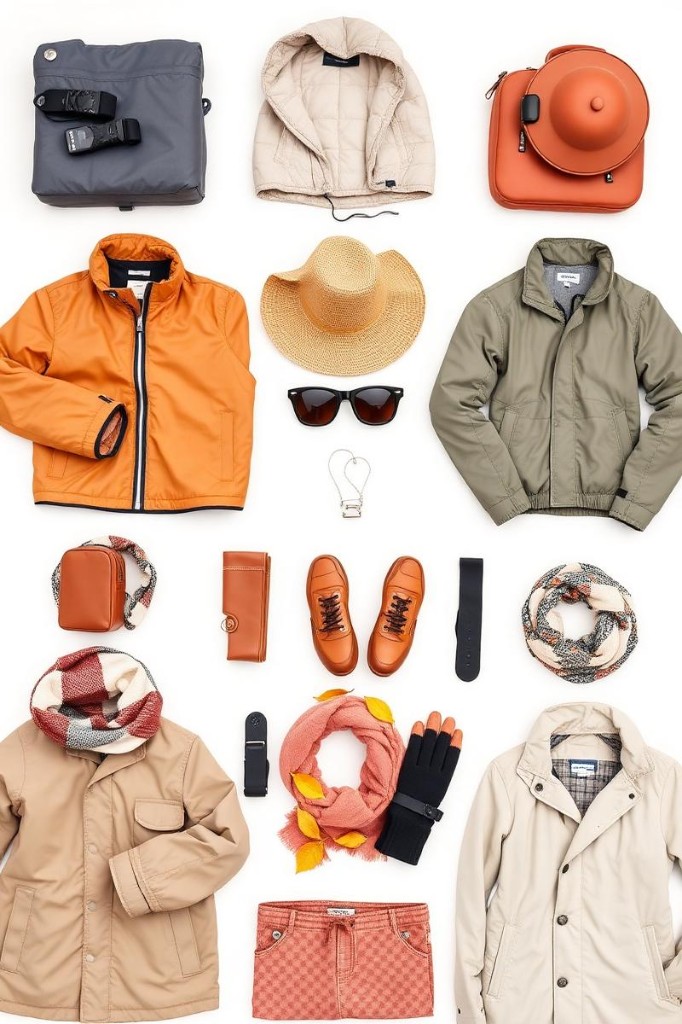
👕 Seasonal packing

Dry Season (Nov-Mar): • Dust-proof closed shoes • Hat/cap for sun protection • Lightweight cotton clothing • Light jacket for evenings

Rainy Season (Apr-Oct): • Non-slip waterproof shoes • Sturdy compact umbrella • Quick-dry clothing • Raincoat/poncho • Waterproof bag for documents

All Year Round: • High-SPF sunscreen • Long clothing for mosquito protection • Lightweight urban backpack
Travel clothing and gear by season

💰 Seasonal budget

PeriodCity Center Accommodation (€/night)Transport (€/day)Restaurants (€/day)Attractions (€)Traffic
Dry Season25-458-1215-258-15⭐⭐⭐
Rainy Season20-356-1012-208-15
Festivals (Dec-Jan)35-6010-1520-3010-20⭐⭐⭐⭐

💡 Money-saving tips

• Negotiate prices for motorcycle taxis (zémidjans) in the evening • Local 'maquis' restaurants are 3x cheaper than tourist spots • Stay in residential neighborhoods vs. historic center • Local food markets vs. supermarkets • Use association-based local guides vs. agencies

🏥 Health and precautions

• Yellow fever vaccination mandatory • Reinforced anti-malaria protection • Constant hydration in tropical climate • Avoid ice cubes/tap water • SPF 50+ sunscreen • Effective mosquito repellent • Basic first aid kit • Pharmacy advice available in the city center

Cultural Events

Calendar of must-see festivities in Porto-Novo

The cultural richness of Porto-Novo is expressed through traditional and contemporary events that transform the urban atmosphere according to the seasons.

🎭 Voodoo Arts and Culture Festival (January)

A major event celebrating the Beninese spiritual heritage with authentic ceremonies, ritual dances, and sacred art exhibitions. The city center turns into an open-air cultural theater.

Location: Place Jean Bayol and traditional sacred sites
Highlight: The only opportunity to witness authentic voodoo rituals in an urban setting
Climate Impact: Ideal dry period, high international attendance, bookings essential 2 months in advance

Access: City center is walkable, limited parking
Tip: Book accommodation by October, prices increase by 40%

🏛️ Porto-Novo Heritage Days (February)

Exceptional opening of royal palaces, private historic sites, and private collections with guided tours by guardians of local oral tradition.

Location: Historic center heritage circuit and old districts
Highlight: Unique access to places usually closed to the public
Climate Impact: Perfect dry season for walking tours, optimal temperatures

Access: Free shuttles between sites, marked circuit
Tip: Detailed program available at tourist offices, some tours require registration

🎵 Goun Traditional Music Festival (December)

Celebration of the ancestral music of the Kingdom of Porto-Novo with concerts, instrument-making workshops, and meetings with master griots.

Location: Honmé Museum Esplanade and traditional courtyards
Highlight: Living oral transmission and instrumental learning
Climate Impact: Harmattan may affect outdoor acoustics, concerts often held in the evening

Access: Enhanced public transport, temporary parking provided
Tip: Free and paid shows, developed family program

Seasonal events

Dry Season: • Yam Festival (November-December) • Neighborhood Carnival (February) • Egoun Ceremonies (January-March)

Rainy Season: • African Film Festival (June) • Youth Cultural Week (August) • Ancestors' Festival (September)

National Holidays: Independence Day (August 1st) with parades and shows, National Day (November 30th) - possible administrative closures

Responsible Tourism

Adopting a respectful approach during your visit to Porto-Novo helps preserve cultural authenticity and support the local economy of this historic capital.

Porto-Novo favors sustainable cultural tourism: supporting authentic local crafts, respecting sacred sites and traditional ceremonies, supporting community guides, minimizing impact on residential neighborhoods, and favoring public transport or walking.

🌱 Low-season advantages

Visiting during the rainy season reduces tourist pressure on fragile sites, allows for authentic exchanges with residents, supports the local economy during the off-season, and offers a more intimate cultural experience.

♻️ Sustainable travel tips

• Favor zémidjans (motorcycle taxis) and public transport • Buy crafts directly from creators in workshops • Choose local 'maquis' restaurants vs. tourist establishments • Respect protocols during religious ceremonies • Ask for permission before photographing people • Avoid single-use plastic in markets

🏙️ Local sustainable initiatives

Porto-Novo is developing community cultural circuits managed by residents, fair-trade craft workshops, the promotion of traditional knowledge, the protection of heritage sites by local communities, and training programs for certified local guides.

Our Recommendations

Expert recommendations for your city-trip to Porto-Novo

Our in-depth climate analyses and knowledge of the Porto-Novo cultural landscape allow us to guide you toward the optimal period based on your priorities: intensive heritage discovery, authentic cultural immersion, controlled budget, or unique event experience.

🌟 Optimal Period: December to February

Major Advantages:
• Ideal weather conditions (23-32°C / 73-90°F, little rain)
• Intense cultural season with traditional festivals
• Maximum accessibility to all outdoor sites
• Effervescent and welcoming urban atmosphere
• Lake Nokoué navigation in the best conditions

Flagship Events: Voodoo Festival (January), Heritage Days (February), Goun Music Festival (December)

Disadvantages: High tourist traffic, accommodation rates increased by 30%

Ideal Profile: First trips to West Africa, culture enthusiasts, photographers
Stay Duration: 3-4 days optimal

⚖️ Interesting Alternative: November and March

Periods of transition offering an excellent compromise between favorable weather conditions and moderate attendance, with more accessible prices.

Specific Advantages: Fewer international tourists, accommodation prices -20%, weather still mild, start/end of cultural season
For Whom: Experienced travelers, intermediate budgets, flexible stays

👥 Tips for your travel style

Family: December-January, Gbèkon district, museum activities, private transport, hotels with air conditioning
Budget: July-August (short dry season), local hostels, 'maquis' restaurants, association guides
Culture: January-February, historic center, traditional festivals, specialized heritage guides
Romantic: November-December, charming accommodations, Lake Nokoué sunsets, terrace restaurants
Weekend: Any dry season, city center, concentrated major sites, fast transport
First Trip: December-February, organized tours, comfortable accommodation, experienced French-speaking guides

⚠️ Delicate Periods: May-June and September

Reasons: Peak of the rainy season with intense daily precipitation, extreme humidity (85%+), complicated urban travel, some sites inaccessible

Nuances: Acceptable for very experienced travelers prioritizing indoor cultural immersion and minimal prices

Villes du même pays

All cities

Frequently Asked Questions

Answers to essential questions to calmly plan your cultural discovery of Porto-Novo according to its tropical climatic specificities.

What is the best month to visit Porto-Novo?

January is the optimal month, combining ideal weather conditions (25-32°C / 77-90°F, 15mm rain), the exceptional Voodoo Arts Festival, and maximum accessibility to heritage sites. The cultural atmosphere is at its peak with numerous traditional ceremonies. Book accommodation 2 months in advance as this is the peak tourist season.

How many days should I plan for Porto-Novo?

3 days minimum allow for a satisfying discovery of major sites (Honmé Museum, colonial architecture, Lake Nokoué). 4-5 days offer a comfortable pace with immersion in local crafts and excursions to lake villages. Culture enthusiasts can extend to 7 days by including peripheral sites and traditional workshops.

What to do in Porto-Novo when it rains?

Rainy days reveal the exceptional indoor heritage: Honmé Museum (royal palace), Ouadada Cultural Center, Ethnographic Museum, and art galleries in the Gbèkon district. The cathedral and covered markets also offer cultural refuges. Traditional 'maquis' restaurants provide authentic covered spaces to discover local gastronomy.

Which events should not be missed in Porto-Novo?

The Voodoo Arts and Culture Festival (January) is the flagship event with unique authentic ceremonies. Heritage Days (February) open sites usually closed to the public. The Goun Traditional Music Festival (December) offers an immersion in ancestral musical traditions. Each event transforms the urban atmosphere and requires advance booking.

What budget should I plan for according to the season?

Dry Season: €60-80/day (accommodation €25-45, meals €15-25, activities €15). Rainy Season: €45-65/day with significant accommodation discounts (-30%) and dining (-20%). Festival Periods: €80-120/day, significant accommodation surcharges. Local transport budget is moderate (€8-12/day) all year round. Crafts and souvenirs: €20-50 depending on authenticity.