When to visit Lake Nokoué? Nature Guide

Explore the largest lake in Benin according to the rhythms of tropical nature.

  • 200,000 inhabitants (lake villages) population
  • French, Fon, Yoruba language
  • 120 days rainy days/year
  • from November to March best time to visit
  • 2 to 4 days recommended stay

Climate and weather of Lake Nokoué

Understanding the humid tropical climate of Lake Nokoué

Lake Nokoué enjoys a humid tropical climate influenced by the nearby Atlantic Ocean. Marked seasonal variations alternate between a dry season favorable for excursions and a rainy season that transforms the lake ecosystem.

  • Central lake zone: Cooler microclimate with aquatic breezes
  • Northern shores: Continental influence with more contrasting temperatures
  • Southern mouth: Oceanic influence with constant humidity
MonthMin Temp (°C / °F)Max Temp (°C / °F)Precipitation (mm / in)Sunshine (h/day)Tourist TrafficRecommended Activities
January23°C / 73°F32°C / 90°F15mm / 0.6in8⭐⭐⭐⭐Navigation, fishing, villages
February24°C / 75°F33°C / 91°F25mm / 1in8⭐⭐⭐⭐⭐Excursions, bird watching
March25°C / 77°F33°C / 91°F65mm / 2.6in7⭐⭐⭐⭐Cultural discovery
April25°C / 77°F32°C / 90°F125mm / 4.9in6⭐⭐⭐Traditional fishing
May24°C / 75°F31°C / 88°F165mm / 6.5in5⭐⭐Nature observation
June23°C / 73°F29°C / 84°F285mm / 11.2in4⭐⭐Ecotourism, relaxation
July23°C / 73°F28°C / 82°F95mm / 3.7in5⭐⭐⭐Short dry season
August23°C / 73°F28°C / 82°F45mm / 1.8in5⭐⭐⭐Cautious navigation
September23°C / 73°F29°C / 84°F135mm / 5.3in5⭐⭐Aquatic wildlife observation
October24°C / 75°F31°C / 88°F125mm / 4.9in6⭐⭐Seasonal transition
November24°C / 75°F32°C / 90°F35mm / 1.4in7⭐⭐⭐⭐Return to optimal conditions
December23°C / 73°F32°C / 90°F15mm / 0.6in8⭐⭐⭐⭐Festivities, navigation

The altitude is near zero (sea level), which maintains constant temperatures, while the water surface moderates thermal extremes.

The Seasons

Discoveries according to the weather

Optimize your exploration of Lake Nokoué by adapting your activities to weather conditions for an enriching experience.

☔ In wet/rainy weather

Protected and cultural activities

Rainy periods reveal the authenticity of lake traditions and offer unique cultural experiences under cover.

Recommended Activities:
🏘️ Visit traditional stilt houses (2-3h, free)
🎣 Learn traditional fishing techniques (half-day)
🛶 Navigation in a covered canoe with a local guide
🎭 Discover local crafts (basketry, sculpture)
🍲 Culinary workshops for lake specialties
📚 Meetings with village elders
🎵 Traditional storytelling and music sessions

Practical Tip: Prioritize morning visits before afternoon showers

Additional Tip: Combine multiple villages for a complete cultural immersion
☀️ In good weather

Exploration and water activities

Sunny conditions allow you to fully enjoy water activities and the natural beauty of the lake.

Sites and Activities:
🚤 Full lake navigation (full day)
🐦 Morning bird watching (6am-9am)
🎣 Sport and traditional fishing
📸 Photography of stilt villages
🌅 Sunrise/sunset from the water
🏊 Swimming in authorized areas
🛶 Excursions to islets and coves

Best Time: Early morning (6am-10am) and late afternoon (4pm-6pm) to avoid the heat

Seasonal Tip: November to March offer optimal conditions with excellent visibility

🌤️ All-weather versatility

Adaptable experiences

Some lake discoveries adapt to all weather conditions for maximum flexibility.

Flexible Sites:
🏪 Floating markets (adaptation based on weather)
🛶 Short rides in a covered canoe
🎯 Ecosystem interpretation centers

Weather Tip: Keep multiple options depending on conditions, prioritize morning outings

Example Itinerary: Morning navigation if sunny, afternoon culture if raining, evening local gastronomy

💰 Economical and authentic

Free discoveries

Authentic experiences without fees in the exceptional natural environment of the lake.

Free Activities:
🚶 Walks on dikes and banks
👁️ Observing lake life from the shores
🌅 Natural panoramic viewpoints
🎣 Free fishing in authorized areas

Advantageous Periods: Wet seasons with reduced guide and accommodation rates

Budget Tips: Group excursion negotiation, home-cooked meals, local collective transport

Practical Guide

Prepare your stay at Lake Nokoué effectively by anticipating tropical climate specificities and the unique nature of this lake environment.

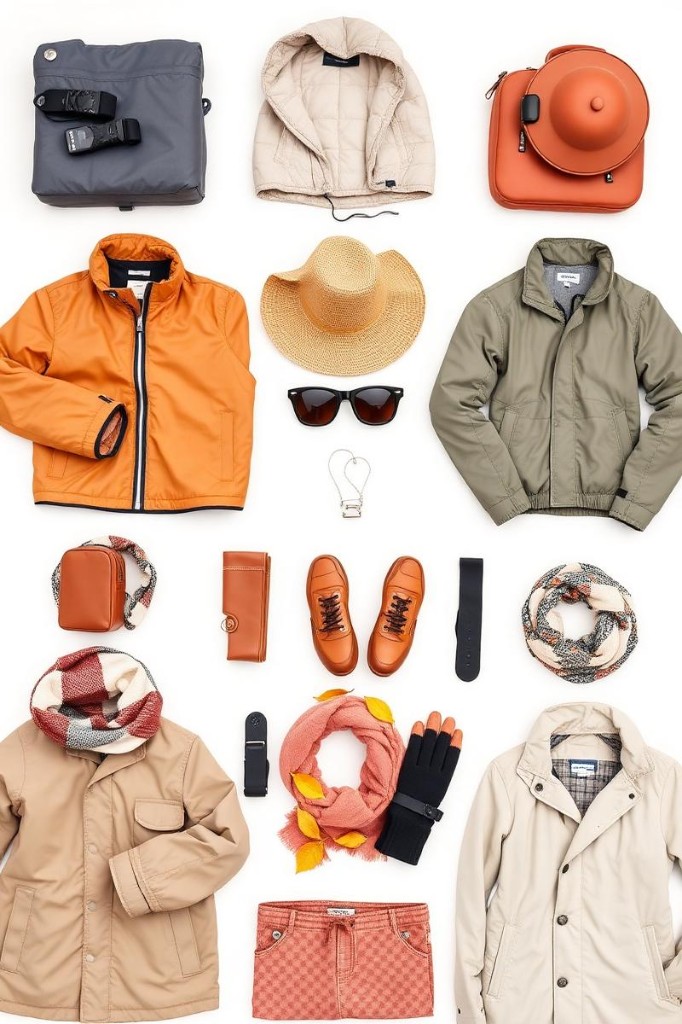
👕 Seasonal packing

Dry season (Nov-Mar): • Lightweight cotton clothing • Hat and sunglasses • Closed shoes for canoes • Enhanced sun protection

Wet seasons (Apr-Oct): • Quality raincoat • Non-slip waterproof shoes • Quick-dry clothing • Waterproof bag for equipment • Mosquito protection

Year-round: • Effective insect repellent • First aid kit • Waterproof headlamp
Travel clothing and gear by season

💰 Seasonal budget

PeriodAccommodation (€/night)Transport (€/day)Meals (€/day)Excursions (€)Traffic
Dry Season25-458-1512-2520-40⭐⭐⭐⭐
Transition20-356-1210-2015-30⭐⭐⭐
Wet Season15-255-108-1510-25⭐⭐

💡 Money-saving tips

Negotiate group excursions to reduce costs • Choose home-cooked meals for authenticity and savings • Book accommodation in advance during the dry season • Combine multiple activities with the same guide • Use local collective transport rather than private

🏥 Health and precautions

Malaria: Enhanced mosquito protection and preventive treatment
Water: Consume only bottled or purified water
Sun: Maximum protection on the water (reflection)
Hygiene: Hand sanitizer and frequent disinfection
Insurance: Repatriation coverage recommended

Lake Events

Calendar of traditional festivities at Lake Nokoué

The traditional celebrations of Lake Nokoué punctuate the life of the lake communities and offer unique, authentic cultural experiences.

🎭 Lake Arts Festival (February)

A major celebration of the cultural traditions of the lake people, featuring dances, music, and traditional crafts in an exceptional festive atmosphere.

Location: Villages of Ganvié and So-Ava

Highlight: Parade of decorated canoes and traditional fishing competitions

Climate Impact: Ideal dry period; high attendance requires advance booking

Access: Special shuttles from Cotonou, Abomey-Calavi pier

Tip: Book accommodation 2 months in advance, budget for artisanal souvenirs

🎣 Fishing Festival (December)

A traditional event celebrating ancestral fishing techniques with net blessings and competitions between lake villages.

Location: All lake villages

Highlight: Vodoun rituals and community sharing of the catch

Climate Impact: Optimal dry season, easy navigation for all villages

Access: Organized tours from all piers

Tip: Participate respectfully in ceremonies, cultural guide recommended

🌊 Sacred Water Ceremony (August)

An important spiritual ritual during the short dry season, celebrating the sacred relationship between communities and the water element.

Location: Sacred sites around the lake

Highlight: Exceptional access to sites usually restricted

Climate Impact: Variable weather conditions but pleasant temperatures

Access: Mandatory accompaniment by certified guides

Tip: Strict adherence to dress codes and behavioral norms

Seasonal events

Dry season: • Weekly floating markets (Thursdays and Sundays) • Traditional regattas (January-March) • Gastronomic festivals (February)

Wet seasons: • Planting ceremonies (May) • Fertility rituals (June) • Aquatic harvest festivals (September)

Year-round: • Daily floating markets • Traditional fishing initiations • Local craft workshops

Responsible Tourism

Discovering Lake Nokoué in a respectful way preserves this fragile ecosystem and supports authentic local communities.

Responsible tourism at Lake Nokoué involves respecting ancestral traditions, protecting the fragile aquatic environment, and directly supporting the local economies of the lake villages.

🌱 Low-season advantages

Visiting during the wet seasons reduces tourist pressure, offers advantageous rates to local communities, and allows for a more authentic discovery of traditional lifestyles.

♻️ Sustainable travel tips

Use exclusively certified local guides • Buy crafts directly from village producers • Respect fish breeding zones • Avoid plastics and waste in the water • Prefer traditional canoes over motors • Participate in ecosystem conservation initiatives

🏙️ Local sustainable initiatives

Participatory conservation programs involving lake communities: mangrove protection, sustainable fishing management, community ecotourism development, local guide training, preservation of traditional techniques, and promotion of intangible cultural heritage.

Our Recommendations

Recommendations for your discovery of Lake Nokoué

Our detailed climate analyses and local expertise allow you to customize your Lake Nokoué experience based on your expectations, budget, and interests for an optimal discovery of this Beninese lake jewel.

🌟 Optimal Period: November to March

Recommended Months: November, December, January, February, March

Advantages:
• Ideal weather conditions for navigation
• Excellent visibility for photography and observation
• Maximum accessibility to all villages
• Period of major traditional festivities
• Optimal climatic comfort

Key Events: Lake Arts Festival, Fishing Festival, lively floating markets

Disadvantages: Higher tourist traffic, slightly higher rates

Ideal Profile: First-time visitors, families, photographers, culture enthusiasts

Stay Duration: 3 to 4 days recommended

🌤️ Interesting Alternative: July-August

Alternative Months: July and August (short dry season)

Description: A transition period offering an interesting compromise between acceptable weather conditions and the preserved authenticity of the lake experience.

Specific Advantages: Fewer tourists for an authentic experience, advantageous rates, cooler temperatures, Sacred Water Ceremony

For Whom: Experienced travelers, moderate budgets, authenticity seekers, short stays

👥 Tips for your travel style

Family: Dry season, Ganvié and So-Ava villages, safe activities, family-friendly guides

Budget: Wet seasons, local accommodation, collective transport, group negotiation

Culture: Year-round depending on festivals, specialized guides, village immersion

Nature: Seasonal transitions, bird watching, ecotourism

First time: November-March, organized tours, experienced guides, main villages

⚠️ Delicate Periods: May-June and September-October

Not Recommended Months: May, June, September, October

Reasons: Intense rainfall complicating navigation, reduced village accessibility, unpredictable weather, increased safety risks

Nuances: Acceptable for experienced naturalists and adventure ecotourism enthusiasts with appropriate equipment

Villes du même pays

All cities

Frequently Asked Questions

Essential answers to plan your successful discovery of Lake Nokoué according to its climatic specificities.

What is the best month to visit Lake Nokoué?

February is the optimal month with perfect weather conditions, excellent visibility for navigation, and the coincidence with the Lake Arts Festival. January and December also offer excellent conditions with fewer tourists, while November and March are great alternatives with dry weather and better rates.

How many days should I plan for Lake Nokoué?

3 to 4 days allow for a complete discovery, including navigating the entire lake, visiting the main stilt villages, cultural immersion with local communities, and participating in traditional activities. 2 days are enough for an overview, while 5 days or more suit ecotourism enthusiasts wanting to deepen the cultural and natural experience.

What to do at Lake Nokoué in case of rain?

There are many indoor cultural activities: visiting traditional stilt houses, learning local crafts (basketry, sculpture), culinary workshops for lake specialties, meeting elders to hear oral history, and sessions of traditional storytelling and music. Covered canoes also allow for short navigations even in wet weather.

Which events should not be missed at Lake Nokoué?

The Lake Arts Festival in February is the major cultural event with decorated canoe parades and traditional performances. The Fishing Festival in December offers an authentic immersion into ancestral traditions. Weekly floating markets (Thursdays and Sundays) and the Sacred Water Ceremony in August complete the calendar of must-see experiences.

What budget should I plan according to the season?

In the dry season (November-March): €65-€125/day including accommodation, meals, transport, and excursions. In the wet seasons (April-October): €40-€70/day with significant discounts. Main savings are on accommodation (-40%) and excursions (-30%). Plan extra budget for local crafts and guide tips. Groups receive substantial discounts year-round.