When to visit Dar es Salaam? City Trip Guide

Discover the Tanzanian economic capital according to its tropical seasons for an optimal urban experience.

  • 6.7 M population
  • Swahili, English language
  • 120 days rainy days/year
  • June to September best time to visit
  • 3 to 5 days recommended stay

Tropical Climate of Dar es Salaam

Understanding the humid tropical climate of Dar es Salaam

Dar es Salaam enjoys a humid tropical climate influenced by the Indian Ocean and the monsoon. The urban heat island effect intensifies temperatures in the city center, while the sea breeze provides relative freshness in the evenings.

  • Coastal zone: Refreshing sea breeze, constant high humidity
  • Urban center: Heat island, temperatures 2-3°C / 3.6-5.4°F higher
  • Outskirts: Slightly drier climate, more pronounced thermal variations
MonthMin Temp (°C / °F)Max Temp (°C / °F)Precipitation (mm)Sunshine (h/day)Tourist TrafficRecommended Activities
January24°C / 75°F32°C / 90°F657⭐⭐⭐Beaches, morning markets
February24°C / 75°F32°C / 90°F558⭐⭐⭐Cultural visits
March24°C / 75°F33°C / 91°F1257⭐⭐Museums, shopping centers
April23°C / 73°F31°C / 88°F1956Indoor activities
May22°C / 72°F30°C / 86°F857⭐⭐Neighborhood discovery
June21°C / 70°F29°C / 84°F258⭐⭐⭐⭐All outdoor activities
July20°C / 68°F28°C / 82°F158⭐⭐⭐⭐⭐Optimal urban exploration
August20°C / 68°F29°C / 84°F208⭐⭐⭐⭐⭐Festivals, events
September21°C / 70°F30°C / 86°F258⭐⭐⭐⭐Urban photography
October22°C / 72°F31°C / 88°F458⭐⭐⭐Seaside walks
November23°C / 73°F32°C / 90°F957⭐⭐Shopping, gastronomy
December24°C / 75°F32°C / 90°F857⭐⭐⭐End-of-year markets

As the city is located at sea level, altitude variations are minimal. The oceanic influence remains predominant throughout the urban area with homogeneous temperatures but humidity levels that vary by neighborhood.

Urban Seasons

Attractions by Weather

Optimize your stay by choosing your activities according to weather conditions to fully enjoy the Tanzanian urban richness.

☔ In cloudy/rainy weather

Indoor & Sheltered

Rainy days reveal the sheltered cultural treasures of Dar es Salaam, perfect for an immersion in Tanzanian history and art.

Recommended Sites:
🏛️ National Museum (2-3h, 5000 TSh, all year)
🎨 Nyerere Cultural Centre (1-2h, 3000 TSh, evening shows)
🏢 Mlimani City/Sea Cliff shopping centers (full day)
🍽️ Traditional Kariakoo restaurants (long lunch)
📚 National Library (free, quiet study)
🛍️ Mchinga covered market (local crafts)

Practical Tip: Online booking recommended for museums, avoid peak hours 11 AM - 2 PM

Extra Tip: Combine a cultural visit + lunch + shopping in the same neighborhood to limit travel

☀️ In good weather

Optimal Outdoor

Tanzanian sunshine enhances iconic outdoor sites and reveals all the beauty of Swahili architecture and ocean panoramas.

Must-see Sites:
🏛️ House of Peace (1h, optimal sunrise/sunset)
🌊 Kivukoni waterfront (2-3h, free, sea breeze)
🏺 Village Museum (2h, 10000 TSh, morning recommended)
🏖️ Msimbazi/Kunduchi beaches (half-day, transport 2000 TSh)
🌳 Botanical Gardens (1-2h, free, natural shade)
📸 Nyerere Bridge (30min, free panorama)

Best time of day: Sunrise 6 AM - 8 AM and golden hour 5 PM - 7 PM for photography

Seasonal Tip: Favor June-September, avoid 11 AM - 3 PM in hot season

🌤️ Versatile for all weather

Flexible

These sites adapt to conditions by offering both indoor and outdoor spaces according to your needs.

Adaptable Sites:
🏛️ Azania Front Lutheran Church (architectural interior/exterior)
🍴 Fish Market (partially covered, guaranteed atmosphere)
🛍️ Kariakoo district (covered alleys + open squares)

Weather Tip: Start outdoors if the weather is nice, retreat indoors if it rains

Itinerary Example: Morning market + museum backup + afternoon modular historical district

💰 Free or economical

No cost

Free Sites:
🌊 Kivukoni waterfront promenade
🏛️ German colonial architecture (exterior)
🌳 Mnazi Mmoja public gardens
📸 Nyerere Bridge panorama

Free Days: Some museums offer free access on Sunday mornings

Budget Tips: Panoramas from rooftop terraces, local markets for the atmosphere, authentic residential neighborhoods

Practical Guide

Prepare your city trip with our tips adapted to the tropical climate of Dar es Salaam for a successful urban stay despite seasonal variations and the intensity of Tanzanian life.

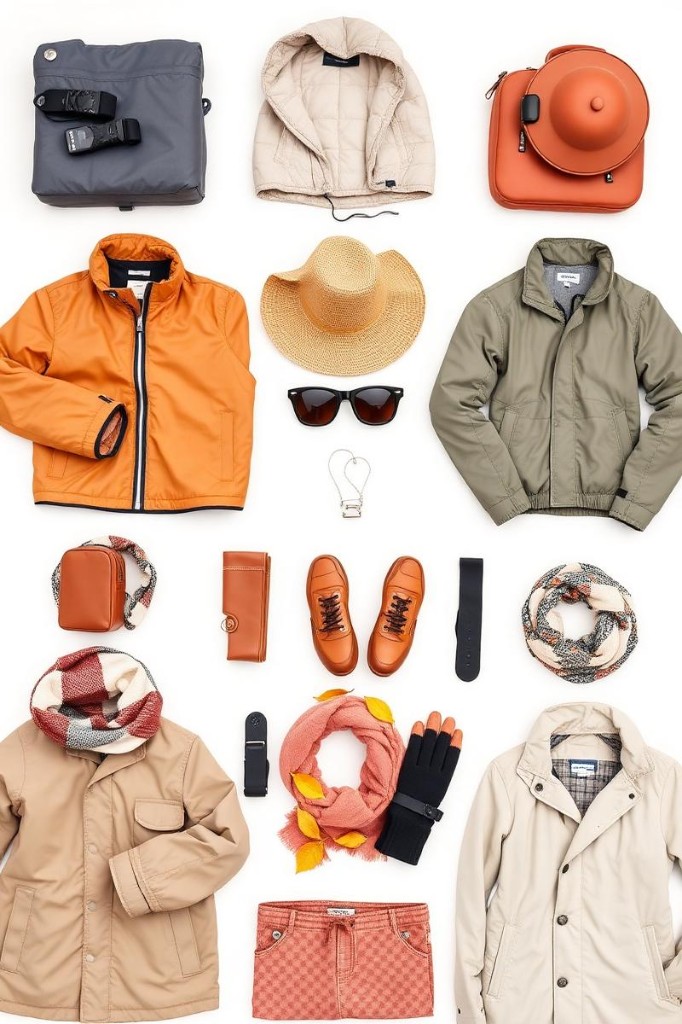
👕 Seasonal packing

Dry Season (June-October): • Breathable walking shoes • Hat and sunglasses • Light jacket for evenings • Cotton/linen clothing • Sun protection

Wet Season (November-May): • Compact raincoat • Waterproof shoes • Sturdy umbrella • Quick-dry clothing • Waterproof electronics bag

All Seasons: • Modest attire for mosques • Easy-to-remove shoes • Secure crossbody bag • Reusable water bottle

Travel clothing and gear by season

💰 Seasonal budget

PeriodCenter Accommodation (€/night)Transport (€/day)Restaurants (€/day)Attractions (€)Traffic
High season (June-Sept)40-808-1215-255-15⭐⭐⭐⭐⭐
Shoulder season (Oct-Nov)30-606-1012-205-12⭐⭐⭐
Low season (Dec-May)25-505-810-183-10⭐⭐
Very low season (Mar-May)20-405-78-153-8

💡 Money-saving tips

Transport: Daily daladala (local bus) pass is very economical vs. taxi • Meals: Local street food €2-5 vs. tourist restaurants €15-25 • Accommodation: Masaki/Oyster Bay neighborhoods are more expensive than the city center • Activities: Markets and walks are free vs. organized excursions • Currency Exchange: City center exchange offices are more advantageous than the airport

🏥 Health and precautions

Hydration: Bottled water mandatory, 3L/day minimum • Sun: Maximum protection 11 AM - 3 PM, SPF 50+ cream • Rain: Avoid stagnant puddles, wear waterproof shoes • Pollution: Mask recommended during rush hours • Pharmacies: Muhimbili Hospital 24/7, Kariakoo district • Vaccines: Yellow fever mandatory, antimalarial recommended

Urban Events

Must-see event calendar for Dar es Salaam

The Tanzanian economic capital vibrates to the rhythm of unique cultural events that transform the urban atmosphere and enrich the visitor experience.

🎭 Zanzibar International Film Festival (July)

The largest film festival in East Africa transforms Dar es Salaam into a cultural capital with outdoor screenings, concerts, and contemporary art exhibitions.

Location: Nyerere Cultural Centers and city center cinemas
Highlight: Unique blend of African and international cinema
Climate Impact: Ideal dry season, maximum crowds, bookings essential
Transport Access: Special shuttles from the airport, reinforced daladala routes
Tip: Book accommodation 3 months in advance, prices double

🎵 Sauti za Busara Music Festival (February)

An extension of the famous Stone Town festival, featuring contemporary African music concerts in Dar es Salaam venues, creating a festive atmosphere unique to the hot season.

Location: Mlimani City, Alliance Française, Masaki clubs
Highlight: Discovery of emerging African artists
Climate Impact: Intense heat offset by air-conditioned venues
Transport Access: Taxis recommended late at night
Tip: Advance tickets, increased hydration for outdoor concerts

🏛️ Nane Nane Agricultural Show (August)

A national agricultural fair that reveals Tanzania's rural wealth in the heart of the metropolis, featuring demonstrations, traditional gastronomy, and authentic crafts.

Location: Saba Saba Grounds, northern outskirts
Highlight: Rural culture immersion in an urban context
Climate Impact: Optimal dry season, significant dust
Transport Access: Special shuttles from the center, paid parking
Tip: Full day recommended, practical clothing

Seasonal events

Dry Season (June-October): • Outdoor music festivals • Contemporary art exhibitions • Kivukoni night markets • Urban sports competitions

Wet Season (November-May): • Indoor theatrical performances • Indoor food festivals • Religious celebrations • Eid al-Fitr (variable dates) with business closures • Independence Day (December 9) city center parades

Responsible City Trip

Adopting an eco-responsible approach in Dar es Salaam helps preserve the fragile urban environment and supports the local Tanzanian economy.

The Tanzanian metropolis faces major environmental challenges: waste management, air pollution, demographic pressure. Prioritizing public transport, supporting local crafts, and respecting residential communities allows for more sustainable and authentic urban tourism.

🌱 Low-season advantages

Visiting during the rainy season reduces tourist pressure on infrastructure, allows for fairer prices for locals, and offers a more authentic experience of daily Tanzanian life.

♻️ Sustainable travel tips

Transport: Daladala (local buses) and walking preferred vs. taxis • Accommodation: Local guesthouses vs. international chains • Dining: Mama lishe (street kitchens) and local markets • Shopping: Mwenge Carvers Market crafts vs. imported souvenirs • Waste: Reusable water bottle, refuse plastic bags • Respect: Ask for permission to photograph people, appropriate attire for mosques

🏙️ Local sustainable initiatives

Dar es Salaam is developing promising green initiatives: BRT (Bus Rapid Transit) project to reduce pollution, community recycling in Kariakoo, participatory urban gardens, promotion of eco-friendly bicycle taxis, and environmental awareness in schools.

Our Recommendations

Recommendations for your city trip to Dar es Salaam

Two people admiring the view of the Indian Ocean from a pier in Dar es Salaam by Omar on Unsplash

After analyzing climatic data, tourist traffic, and cultural events, here are our personalized tips to optimize your discovery of the Tanzanian economic capital. The choice of period drastically influences your experience: weather conditions, accommodation prices, urban atmosphere, and attraction accessibility.

🌟 Optimal Period: June to September

Recommended Months: July-August (optimal peak)

Advantages:
• Ideal weather conditions (20-29°C / 68-84°F, rare rain)
• Perfect visibility for discovering Swahili architecture
• Numerous cultural festivals and art events
• Refreshing sea breeze in the evenings
• All outdoor activities are accessible

Key Events: ZIFF (July), Nane Nane Show (August), outdoor concerts

Disadvantages: Maximum crowds, accommodation prices +40-60%

Ideal Profile: First visit, short city trip, photographers, families

Stay Duration: 3-4 days sufficient for the essentials

⚖️ Interesting Alternative: October-November

Alternative Months: October (ideal transition)

Description: A transition period offering an excellent compromise between acceptable weather conditions and moderate rates, with less tourist traffic.

Specific Advantages: Accommodation prices -30%, reduced crowds at attractions, temperatures still pleasant, lush vegetation post-dry season

For whom: Flexible travelers, moderate budgets, long stays, authenticity seekers

👥 Tips for your travel style

Family: June-September, secure Masaki neighborhoods, Kunduchi beach activities, private transport recommended

Budget: October-February, Kariakoo guesthouses, daladala transport, local street food, free markets

Culture: Any season is acceptable, focus on museums during rainy season, festivals during dry season, historical districts

Romantic: June-August, waterfront sunsets, Slipway restaurants, ocean-view accommodation

Weekend: Dry season mandatory, intensive program, advance bookings, efficient transport

First Trip: July-August absolutely, local guide recommended, tourist neighborhoods, reinforced health precautions

❌ Periods to Avoid: March-May

Recommended Months to Avoid: April (peak rainfall)

Reasons: Intense precipitation (up to 195mm / 7.7 inches), complicated travel, some attractions closed, overwhelming humidity, increased health risks

Nuances: Acceptable for experienced travelers, tight budgets, or prolonged indoor cultural stays

Villes du même pays

All cities

Frequently Asked Questions

Answers to essential questions to help you plan your city trip to Dar es Salaam based on Tanzanian climatic and urban specifics.

What is the best month to visit Dar es Salaam?

July and August offer optimal conditions with pleasant temperatures (20-28°C / 68-82°F), very little rain, and a refreshing sea breeze. It is the season for major cultural festivals like ZIFF. However, it is also the high tourist season with accommodation prices increased by 40-60%. For a good balance of quality and price, October remains excellent with fewer crowds.

How many days should I plan for Dar es Salaam?

A 3-4 day city trip allows you to discover the essentials: historical districts, markets, museums, the waterfront, and a beach excursion. Travelers with more time can plan for 5-7 days for a deep cultural immersion, including trips to nearby islands or gastronomic experiences in authentic neighborhoods like Kariakoo.

What is there to do in Dar es Salaam when it rains?

The city offers excellent indoor alternatives: the National Museum for Tanzanian history, air-conditioned shopping centers like Mlimani City and Sea Cliff Village, traditional restaurants to discover Swahili cuisine, the Nyerere Cultural Centre for shows, and the covered Kariakoo markets for local crafts. Tropical downpours are often short but intense.

Which events should not be missed in Dar es Salaam?

The Zanzibar International Film Festival (ZIFF) in July transforms the city into an African cultural capital. Sauti za Busara in February features the best musical artists on the continent. The Nane Nane Agricultural Show in August offers a unique immersion into Tanzanian rural culture. Independence Day celebrations on December 9 create an exceptional festive atmosphere with parades and shows.

What budget should I plan for based on the season?

In high season (June-September): €60-100/day (accommodation €40-80, meals €15-25, transport €8-12). In shoulder season (October-November): €45-75/day with substantial savings on accommodation. In low season (December-May): €35-60/day, ideal for tight budgets. Prices can double during major events like ZIFF, requiring 2-3 months of advance planning.