When to visit Tanzania? Complete Guide

Between eternal savannas and paradise beaches, Tanzania reveals contrasting climates that transform your experience depending on the chosen season.

  • 61.7 M population
  • Swahili, English language
  • 120 days rainy days/year
  • June to October best time to visit
  • 10 to 15 days recommended stay

Weather and Climate in Tanzania

Understanding Tanzania's equatorial tropical climate

Tanzania features four distinct climatic zones influenced by the Indian Ocean, mountainous terrain, and proximity to the equator, creating significant variations depending on the regions and altitudes visited.

  • Coastal Region: Humid tropical climate with constant temperatures of 25-30°C / 77-86°F year-round
  • Central Plateaus: Semi-arid zone, drier with marked thermal variations based on altitude
  • Northern Highlands: Temperate climate at altitude, with cool nights on Mount Kilimanjaro
  • Great Lakes Region: Equatorial microclimate with high humidity and regular rainfall
MonthTemperature (°C / °F)Precipitation (mm)Conditions
January22-28°C / 72-82°F60Hot dry season
February23-29°C / 73-84°F55Optimal for safaris
March23-29°C / 73-84°F130Start of long rains
April22-27°C / 72-81°F290Heavy rains
May20-26°C / 68-79°F190End of long rains
June18-25°C / 64-77°F30Cool dry season
July17-24°C / 63-75°F20Peak dry season
August18-25°C / 64-77°F25Excellent for safaris
September19-26°C / 66-79°F30Great Migration
October21-28°C / 70-82°F45End of dry season
November22-28°C / 72-82°F140Short rains
December22-28°C / 72-82°F85Seasonal transition

Altitude radically transforms the Tanzanian climate: from tropical beaches at sea level to the eternal snows of Mount Kilimanjaro at 5,895 meters / 19,341 feet, creating a unique climatic mosaic in East Africa.

Seasons in Tanzania

Climate by Region in Tanzania

Tanzania's exceptional topographical diversity creates distinct microclimates according to the region. From the tropical coast to the temperate highlands, each zone reveals its unique climatic characteristics.

🏔️ Kilimanjaro and Arusha Region

The heart of Tanzanian safaris benefits from a particularly pleasant temperate altitude climate. This region, located between 1,200 and 1,600 meters / 3,937 and 5,249 feet above sea level, offers optimal conditions for wildlife viewing with moderate temperatures and a well-defined dry season. The proximity of Mount Kilimanjaro influences the local microclimate, creating notable temperature variations between day and night.

PeriodWeatherTemperature (°C / °F)Recommended Activities
June-OctDry and cool15-26°C / 59-79°FSerengeti/Ngorongoro safaris, trekking
Nov-MarHot and dry18-28°C / 64-82°FMigration viewing, Kilimanjaro climb
Apr-MayRainy16-25°C / 61-77°FRest, equipment preparation

Climatic specifics:

  • Significant day/night temperature range (up to 15°C / 27°F difference)
  • Micro-climates depending on exposure to Kilimanjaro
  • Particularly marked and reliable dry season
  • Refreshing high-altitude winds during the day

🌊 Coast and Zanzibar Archipelago

The oceanfront enjoys a constant tropical maritime climate, tempered by Indian Ocean breezes. This zone benefits from stable temperatures year-round and high humidity, creating ideal conditions for seaside relaxation and discovery of Swahili culture. Trade winds effectively moderate the equatorial heat.

PeriodWeatherTemperature (°C / °F)Recommended Activities
June-SepDry, trade winds24-28°C / 75-82°FDiving, kitesurfing, Stone Town exploration
Oct-MarHot, calm sea26-32°C / 79-90°FRelaxing, snorkeling, big-game fishing
Apr-MayTropical rains25-30°C / 77-86°FSpa, indoor cultural discovery

Climatic specifics:

  • Constant water temperature 26-28°C / 79-82°F
  • Daily refreshing sea breezes
  • High humidity but bearable thanks to winds
  • Short but intense tropical rains

🦁 Serengeti and Central Plateaus

The kingdom of African wildlife presents a semi-arid climate typical of the great East African plains. This vast region, located between 1,100 and 1,800 meters / 3,609 and 5,905 feet above sea level, experiences marked seasonal variations that dictate legendary migrations. Climatic conditions directly influence the movements of herbivores and predators.

PeriodWeatherTemperature (°C / °F)Recommended Activities
June-OctDry, clear sky16-27°C / 61-81°FPremium safaris, wildlife photography
Dec-MarHot, rare storms20-30°C / 68-86°FWildebeest migration, calving
Apr-MayHeavy rains18-26°C / 64-79°FBirdwatching, green landscapes

Climatic specifics:

  • Constant winds that limit the sensation of heat
  • Rainy season triggering migrations
  • Cool nights requiring warm clothing
  • Characteristic dust during the dry season

🏞️ Southern Highlands and Ruaha

The lesser-known wild lands of southern Tanzania offer a more contrasting climate and harsher conditions. This high-altitude region, less visited, presents significant thermal variations and a particularly marked dry season, creating spectacular animal concentrations around rare permanent water holes.

PeriodWeatherTemperature (°C / °F)Recommended Activities
May-NovDry, cool12-28°C / 54-82°FRuaha safaris, mountain trekking
Dec-AprRainy, hot18-32°C / 64-90°FBirdwatching, lush landscapes

Climatic specifics:

  • Extreme thermal range (up to 20°C / 36°F difference)
  • Very arid dry season, animal concentrations
  • Violent but brief storms in the rainy season
  • Altitude moderating equatorial temperatures

Practical Guide for Tanzania

Preparing for a trip to Tanzania requires meticulous adaptation to the country's varied climatic conditions. Specific equipment according to the seasons and regions visited will ensure your comfort and safety during safaris and treks.

👕 Seasonal packing

🌞 Dry Season (June-October)

  • Warm clothing for cool mornings (fleece, windbreaker)
  • Light cotton outfits for the day (long anti-mosquito trousers)
  • Waterproof walking shoes and sandals
  • Wide-brimmed hat and sunglasses
  • High protection sunscreen (SPF 50+)

🌧️ Rainy Season (March-May, November)

  • Light raincoat and poncho for safaris
  • Quick-dry clothing (synthetic materials)
  • Mandatory waterproof shoes
  • Plastic bags to protect electronic equipment
  • Strong mosquito repellent (DEET 30% minimum)

🏔️ Kilimanjaro Trekking (year-round)

  • Complete layering system (base layer, insulation, protection)
  • Extreme cold gear for the summit (-20°C / -4°F)
  • Technical mountain boots
  • Gloves, beanie, ski goggles
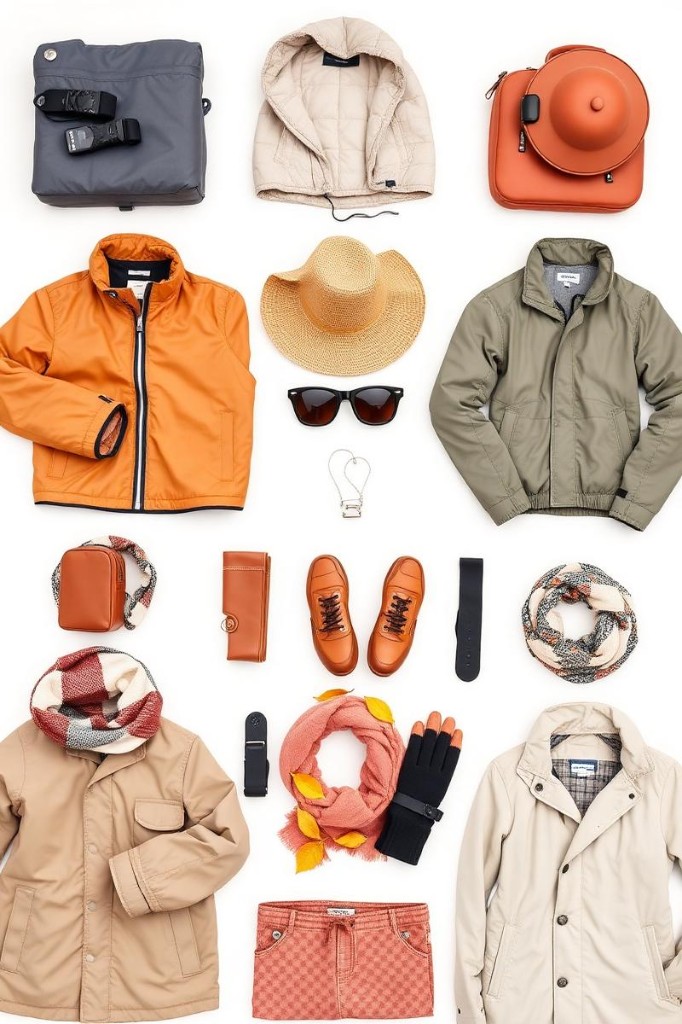
Travel clothing and gear by season

💰 Seasonal budget

PeriodAccommodation (€)Transport (€)Activities (€)Crowds (/5)Budget Tips
June-Oct200-800/night150-300/day100-400/day5/5Book 6 months ahead
Dec-Feb150-600/night120-250/day80-300/day4/5Avoid Christmas/New Year
Mar-May80-300/night80-150/day50-200/day1/5Negotiate on-site
Nov100-400/night100-200/day60-250/day2/5Look for promotions

💡 Money-saving tips

  • Early Booking: Save up to 40% by booking 6 months in advance for high season
  • Rainy Season: Enjoy rates divided by 2 or 3 with often acceptable conditions
  • Groups: Share safari vehicle costs (up to 6 people)
  • Local Lodges: Alternate between luxury camps and community-run accommodations
  • Domestic Flights: Book early or opt for cheaper scenic routes

🏥 Health and precautions

Essential Health Precautions:

  • Malaria: Mandatory prophylaxis, treated mosquito nets, DEET repellents
  • Vaccinations: Yellow fever mandatory, Hepatitis A/B, Typhoid recommended
  • Altitude: Gradual acclimatization for Kilimanjaro, monitor for altitude sickness
  • Hydration: 3-4 liters / 0.8-1 gallon per day minimum, purified water only
  • Equatorial Sun: Maximum protection, risk of severe burns at altitude
  • Food Hygiene: Avoid raw vegetables, ice cubes, tap water
  • Travel Insurance: Medical evacuation coverage mandatory

Events & Festivals in Tanzania

Cultural calendar and festivities not to be missed in Tanzania

Tanzanian cultural richness is expressed through authentic celebrations rhythmic with the seasons and ancestral Swahili traditions.

🎭 Sauti za Busara Festival (February)

The largest music festival in East Africa transforms Stone Town into a giant stage celebrating Swahili rhythms, Afrobeat, and traditional music. An exceptional cultural immersion into the musical soul of the Indian Ocean, featuring artists from across the African continent.

Location: Stone Town, Zanzibar

Highlight: Concerts in unique historical venues (Arab fort, Sultan's palace)

Climate Impact: Ideal dry period, pleasant temperatures for outdoor concerts

🏃‍♂️ Kilimanjaro Marathon (March)

A unique sporting challenge at the foot of the roof of Africa, combining running with the discovery of the exceptional landscapes of the Arusha region. The event attracts international runners in a grand natural setting, with views of the eternal snows of Kilimanjaro.

Location: Moshi, Kilimanjaro region

Highlight: Highest marathon in Africa by altitude, course through Maasai villages

Climate Impact: Start of the rainy season, cool temperatures ideal for physical exertion

🎨 Dhow Countries Music Academy Festival (July)

A celebration of the musical diversity of the Indian Ocean, bringing together artists from Tanzania, Kenya, Uganda, and Indian Ocean islands. An exceptional sonic journey blending ancestral traditions and contemporary creations in the magical setting of Zanzibar.

Location: Zanzibar, various historical sites

Highlight: Unique fusion of Swahili, Arab, Indian, and African cultures

Climate Impact: Peak dry season, perfect conditions for outdoor events

Seasonal events

Seasonal Events:

Dry Season (June-October):

  • Zanzibar International Film Festival (July)
  • Eid al-Fitr celebrations (variable dates)
  • Bagamoyo Arts Festival (September)

Hot Season (December-February):

  • Traditional Swahili New Year (December)
  • Sauti za Busara Festival (February)
  • Dar es Salaam Carnival (February)

Rainy Season (March-May):

  • Kilimanjaro Marathon (March)
  • Christian Easter holidays (March/April)
  • Maasai community celebrations (May)

Responsible Travel in Tanzania

Tanzania, a land of exceptional biodiversity, requires a tourist approach that respects fragile ecosystems and local communities dependent on this natural wealth.

Responsible tourism in Tanzania involves respecting the natural cycles of animal migrations, wildlife breeding periods, and the fragility of Kilimanjaro's mountain ecosystems in the face of climate change.

🌱 Low-season advantages

Traveling during the rainy season significantly reduces your carbon footprint, decreases pressure on ecosystems, and supports the local economy during the off-season.

♻️ Sustainable travel tips

  • Water Management: Limit consumption, use reusable filtered water bottles
  • Waste: Zero waste on safari, pack out all packaging, avoid single-use plastics
  • Transport: Favor shared vehicles, offset carbon emissions from flights
  • Wildlife: Respect safety distances (25m / 82ft minimum), do not feed animals
  • Communities: Buy local crafts, sleep in community-run lodges
  • Energy: Choose solar-powered accommodations, limit air conditioning

🏙️ Local sustainable initiatives

Tanzania is developing exemplary community conservation projects: protected areas managed by the Maasai, Kilimanjaro reforestation programs, solar farms powering eco-friendly lodges, and sea turtle protection initiatives in Zanzibar.

Our Expert Recommendations

Expert recommendations for your trip to Tanzania

A man smiling warmly near lush vegetation, illustrating hospitality and local culture. by Omar on Unsplash

After analyzing 20 years of climate data and feedback from hundreds of travelers, our recommendations are based on optimizing the weather-wildlife-budget triad. Tanzania offers radically different experiences depending on the chosen period, requiring precise selection based on your travel priorities.

🏆 Optimal Period: July-September

Recommended Months: July, August, September

Climatic and Practical Advantages:
  • Perfect weather conditions (18-26°C / 64-79°F, 0% rain)
  • Maximum visibility for wildlife viewing
  • Great Migration in the Serengeti (Mara River)
  • Full accessibility to all national parks
  • Ideal conditions for Kilimanjaro trekking
Limitations:
  • High tourist crowds
  • Accommodation rates at their highest

Ideal Profile: Demanding travelers, premium safaris, wildlife photographers, families with children

⚖️ Balanced Alternative: January-February

Alternative Months: January, February

Justification: Excellent compromise between favorable weather, quality wildlife experience, and moderate rates. Period of exceptional calving in the Serengeti.

Specific Advantages:
  • Unique spectacle of births (wildebeest, zebras)
  • Pleasant temperatures without extremes
  • Attractive intermediate rates (-30% vs high season)
  • Perfect for a safari-Zanzibar combo

👥 Tips for your travel style

Advice by profile:

👨‍👩‍👧‍👦 Family with children: July-September for maximum safety and comfort. Avoid rainy season.

💰 Budget travel: March or November for significant savings. Accept some weather constraints.

🎒 Experienced adventurers: April-May for total authenticity and minimal rates. Bring appropriate gear.

✨ Luxury travel: June-October for a guaranteed premium experience. Book 8 months in advance.

📸 Wildlife photographers: August-September for perfect light and maximum animal concentrations. Bring dust-proof equipment.

❌ Periods to avoid: April-May

The long rains make many tracks impassable and drastically limit wildlife viewing. Only very experienced and flexible travelers should consider this period.

Cities to explore

Discover the must-sees of urban travel

All cities

Frequently Asked Questions

Find answers to essential questions for planning your trip to Tanzania based on optimal climatic conditions.

What is truly the best time for a safari in Tanzania?

The optimal period is from June to October, with a peak of excellence in July-September. Animals congregate around water holes, visibility is at its maximum, and roads are passable. However, January-February offers an excellent alternative with the unique spectacle of calving in the Serengeti and more affordable rates.

Can you visit Tanzania during the rainy season?

Yes, but with significant adjustments. The rainy season (March-May) transforms the landscapes into a lush Eden and offers very attractive rates. However, some tracks become impassable and wildlife viewing is more difficult. Recommended for experienced and flexible travelers.

When can I see the Great Migration in the Serengeti?

The Great Migration follows a predictable annual cycle: December-March in the southern Serengeti (calving), April-June towards the west, and July-October in the north (spectacular Mara River crossings). The months of July-September offer the most dramatic scenes with river crossings.

What budget should I plan for according to the season?

Variations are considerable: high season (June-October): 300-800€/day/person, shoulder season (December-February): 200-600€/day, low season (March-May): 150-400€/day. Savings in the low season can reach 50% but with significant logistical constraints.

How should I dress according to the seasons in Tanzania?

In the dry season: layer clothing (cool nights 15°C / 59°F, days 28°C / 82°F), neutral colors for safaris. In the rainy season: waterproof clothing, waterproof shoes, quick-dry fabrics. For Kilimanjaro: extreme cold gear is mandatory (down to -20°C / -4°F at the summit).