When to visit Moshi? City-Trip Guide

At the foot of Mount Kilimanjaro, Moshi offers a unique atmosphere depending on the season you choose.

  • 0.2 M population
  • Swahili, English language
  • 95 days/year rainy days/year
  • June to October best time to visit
  • 3 to 7 days recommended stay

Weather and Climate Trends in Moshi

Understanding the tropical climate of Moshi at the foot of Mount Kilimanjaro

Moshi enjoys a tropical savanna climate, tempered by an altitude of approximately 900 meters / 2,953 feet. The immediate proximity of Mount Kilimanjaro creates remarkable microclimates. Two rainy seasons punctuate the year, separated by long, dry, and sunny periods, which are ideal for exploring the city and its surroundings.

MonthMin Temp (°C / °F)Max Temp (°C / °F)Precipitation (mm)Sunshine (h/day)Tourist TrafficRecommended Activities
January17°C / 63°F29°C / 84°F357⭐⭐⭐Hiking, local market, coffee tour
February17°C / 63°F30°C / 86°F458⭐⭐⭐Kilimanjaro Marathon, cultural visits
March17°C / 63°F29°C / 84°F1006⭐⭐Discovering coffee plantations
April17°C / 63°F27°C / 81°F2504Museums, local crafts, relaxation
May16°C / 61°F26°C / 79°F1805Indoor cultural tourism, local gastronomy
June14°C / 57°F26°C / 79°F358⭐⭐⭐⭐Trekking, safaris, visiting Old Moshi
July13°C / 55°F26°C / 79°F209⭐⭐⭐⭐⭐Kilimanjaro ascent, safaris, markets
August13°C / 55°F27°C / 81°F259⭐⭐⭐⭐⭐Trekking, Nane Nane Show, crafts
September14°C / 57°F28°C / 82°F259⭐⭐⭐⭐Hiking, coffee plantations, photography
October15°C / 59°F28°C / 82°F508⭐⭐⭐Film festival, cultural visits
November16°C / 61°F28°C / 82°F1006⭐⭐City exploration, gastronomy
December17°C / 63°F28°C / 82°F807⭐⭐Local festivities, craft markets

Seasons in Moshi

Must-sees according to the weather

Whether the sky is blue or cloudy, Moshi holds treasures to discover in all circumstances. Organize your itinerary according to the day's weather conditions to make the most of it.

☔ In overcast or rainy weather

Indoor & protected

Rainy days in Moshi are the perfect opportunity to explore the cultural and artisanal richness of the city, sheltered from tropical showers.

  • 🏛️ Moshi Cultural Centre — Discovery of Chagga culture | 2h | Free entry | All year round
  • KNCU Coffee Plantation — Guided indoor tour of cooperatives | 2-3h | ~15 USD | All year round
  • 🛍️ Moshi Covered Market — Crafts, spices, fabrics | 1-2h | Free | All year round
  • 🎨 Local artisan workshops — Batik, sculpture, jewelry | 1-2h | Voluntary contribution | All year round
  • 🍽️ MS Café local restaurant — Authentic Swahili gastronomy | 1h | ~10 USD | All year round

Practical tip: Book coffee plantation tours in advance, especially in high season. Artisan workshops do not require booking.

Tip: Combine a visit to the covered market in the morning with a coffee tasting in the late morning for a complete and covered cultural half-day.

☀️ In good weather

Optimal outdoor

When the sky clears and Kilimanjaro reveals its snow-capped summit, Moshi transforms into the ideal starting point for spectacular nature excursions.

  • 🏔️ Panoramic view of Kilimanjaro — From the city center | Dawn and sunset | Free
  • 🌿 Hiking on the slopes of Kilimanjaro — Marangu or Machame Gate | Half-day to several days | Permit required
  • 🦒 Arusha National Park — Safari 1h30 from Moshi | Full day | ~70 USD
  • Walk in the coffee plantations — Chagga villages | 2-3h | ~15 USD
  • 🌊 Materuni Falls — Trek and waterfall | 3-4h | ~20 USD

Best time: Sunrise for views of Kilimanjaro (before 9am, the summit is often hidden in clouds). Golden hour in the late afternoon for photos.

Seasonal tip: June to October are the ideal months for outdoor excursions. Avoid long outings in the middle of the day from January to February due to heat.

🌤️ Versatile for any weather

Flexible sites

Some places in Moshi offer a pleasant experience regardless of the weather, thanks to their adaptable indoor-outdoor configuration.

  • KNCU Coffee Cooperative — Indoor guided tour + outdoor gardens | 2-3h
  • 🛕 Old Moshi and colonial district — Architecture + covered cafes | 2h
  • 🎭 Moshi Cultural Centre — Exhibitions + indoor performances | 1-3h

Weather tip: If it rains, retreat indoors for workshops or tastings. In good weather, enjoy the gardens and terraces with a view.

Sample itinerary: Morning: local covered market → lunch in a Swahili restaurant → afternoon: coffee plantation visit (indoor if rain, gardens if sun) → evening: panoramic terrace overlooking Kilimanjaro.

💰 Free or budget-friendly

No cost

  • 🏙️ Walk in the historic center of Moshi — Colonial architecture and local life | Free
  • 🌅 Viewpoint of Kilimanjaro — From the central roundabout | Free | Early morning
  • 🛒 Moshi Central Market — Colors, spices, and local crafts | Free
  • Old Lutheran Church of Moshi — Historic heritage | Free

Free days: Most cultural sites and markets are accessible for free all year round.

Budget tips: Stroll through the Shantytown and Rau neighborhoods for local immersion without spending a shilling. The most breathtaking panoramas of Kilimanjaro can be admired from the street, without an entry ticket.

Practical Guide

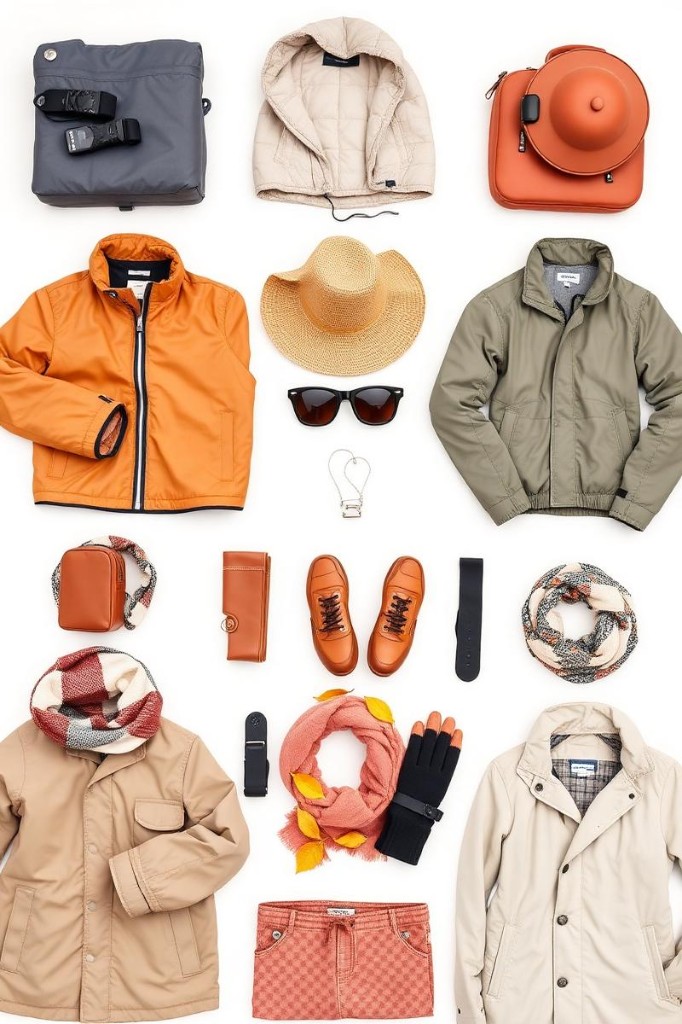
Moshi can be explored on foot, by bike, or by local taxi (dala-dala). Depending on the season, it is important to adapt your gear to take advantage of cool morning temperatures, tropical midday heat, and unpredictable rainy season showers. Bring layered clothing for altitude excursions.

👕 Seasonal packing

Dry season (June-October): • Light jacket for cool mornings (13°C / 55°F) • Waterproof and durable walking shoes • Sunglasses and high-SPF sunscreen • Lightweight backpack for day trips

Short dry season (January-February): • Light and breathable clothing • Cap and sun protection • Foldable light raincoat in case of showers

Long rainy season (March-May): • Sturdy raincoat or poncho • Waterproof shoes with non-slip soles • Quick-dry pants • Dry bag to protect cameras

Short rainy season (Nov-Dec): • Light windbreaker • Compact raincoat • Mixed outfits for frequent indoor-outdoor transitions

Travel clothing and gear by season

💰 Seasonal budget

PeriodAccommodation (center €/night)Transport (€/day)Restaurants (€/day)Attractions (€)Traffic
Jan-Feb (short dry)40–805–1015–3015–30⭐⭐⭐
Mar-May (long rains)20–453–810–2010–20
Jun-Jul (high season)70–1508–1520–4025–60⭐⭐⭐⭐⭐
Aug-Sep (high season)70–1608–1520–4025–60⭐⭐⭐⭐⭐
Oct (shoulder)45–905–1215–3015–30⭐⭐⭐
Nov-Dec (short rains)25–553–810–2210–20⭐⭐

💡 Money-saving tips

  • Use dala-dalas (local minibuses) for urban travel: only a few hundred shillings per trip.
  • Eat lunch in local restaurants at the central market for less than 5€ for a complete and tasty meal.
  • Book your excursions directly with local cooperatives rather than through hotel agencies to save up to 30%.
  • Visit coffee plantations in groups: group rates are significantly more advantageous.
  • In low season (March-May, November), negotiate your accommodation: rates can drop by 40 to 50%.

🏥 Health and precautions

  • Malaria: Risk area — consult your doctor for prophylactic treatment before departure
  • Hydration: Essential, especially during hikes; altitude increases dehydration
  • Sun protection: Tropical sun is intense at 900m / 2,953ft altitude; SPF 50+ sunscreen is mandatory
  • Shoes: Prefer walking shoes for dirt paths, especially after rain
  • Pharmacy: Some pharmacies available in the city center; bring your first aid kit

Events in Moshi

Calendar of must-see events in Moshi throughout the year

Events in Moshi reflect the soul of this city, which is simultaneously athletic, cultural, and deeply rooted in its Chagga traditions. They transform the urban atmosphere and justify choosing specific travel dates.

🏃 Kilimanjaro Marathon — February/March

The Kilimanjaro Marathon is one of the most iconic sporting events in East Africa. Thousands of runners from around the world converge on Moshi to tread routes offering breathtaking views of the roof of Africa. The atmosphere in the city is electric, festive, and multicultural, with street performances, food stalls, and palpable athletic solidarity.

Location: Moshi city center, start and finish at the municipal stadium

Feature: Unique course with panoramas of snow-capped Kilimanjaro from the starting line

Impact: The city is fully booked several weeks in advance — reserve your accommodation 3 to 4 months ahead

Transport Access: Reinforced connections from Arusha and Nairobi during the event

Tip: Book your accommodation as soon as marathon registration opens

🎬 Kilimanjaro International Film Festival (KIFF) — October

The KIFF transforms Moshi into the regional cultural cinematic capital for several days. African and international films are screened outdoors and in local venues, creating a unique atmosphere blending culture, debates, and artistic encounters. It is an opportunity to explore Tanzanian and continental creativity in a city not yet overwhelmed by mass tourism during this period.

Location: Various cultural sites and public spaces in central Moshi

Feature: Outdoor screenings with Kilimanjaro as a backdrop — a unique visual experience

Impact: Moderate cultural attendance, intimate and accessible atmosphere

Transport Access: City center is walkable from most accommodations

Tip: Book 6 to 8 weeks in advance to get the best accommodation rates

🌾 Nane Nane Agricultural Show — August 8th

The Nane Nane (literally "Eight Eight" in Swahili) is Tanzania's national agricultural holiday, celebrated with enthusiasm throughout the Kilimanjaro region. In Moshi, this event features exhibitions of local products, including the famous Chagga Arabica coffee, artisanal demonstrations, and traditional entertainment that makes the city vibrate with sincere and communicative cultural pride.

Location: Moshi agricultural showgrounds and city center squares

Feature: Tasting exceptional coffees directly from local producers — a rarity not to be missed

Impact: Family-friendly and popular event; the city is particularly lively on and around August 8th

Transport Access: Site is walkable from the center or accessible via local dala-dala

Tip: Plan your visit in the morning to avoid the afternoon crowds

Seasonal events

January-February: • Kilimanjaro Marathon (February/March — city center, sports) • Spontaneous local music festivals in downtown bars and restaurants • Lively weekly craft markets

June-August: • Nane Nane Agricultural Show (August 8th — exhibitions, gastronomy, culture) • Hiking events organized on the slopes of Kilimanjaro • Chagga cultural evenings in lodges and camps

October: • KIFF — Kilimanjaro International Film Festival (screenings, debates, culture) • Start of coffee harvest festivals in surrounding villages

November-December: • Artisanal Christmas markets in the city center • Year-end celebrations in local neighborhoods • Tanzanian National Day on December 9th (Uhuru Day) — free public entertainment

Responsible travel in Moshi

Choosing when and how to visit Moshi has a real impact on the fragile environment of Kilimanjaro and on the local Chagga communities. Reasoned tourism preserves this unique heritage for future generations.

Moshi is at the forefront of community tourism in Tanzania. Coffee cooperatives, family-run lodges, and certified guides contribute directly to the local economy. Choosing these actors over large international chains, limiting plastic waste, and respecting the protected natural areas of Kilimanjaro are concrete actions that make a difference.

🌱 Low-season advantages

Visiting Moshi in low season (March-May, November) considerably lightens the pressure on mountain trails, reduces competition for local water resources, and allows for an authentic experience with locals at affordable prices.

♻️ Sustainable travel tips

  • Use dala-dalas and walking for your urban travel
  • Choose local accommodations that are certified or managed by Chagga families
  • Buy your coffee directly from KNCU cooperatives rather than as an airport souvenir
  • Bring a reusable water bottle — single-use plastic remains a major problem in Tanzania
  • Hire a certified local guide for your excursions: your money goes directly to the community
  • Scrupulously respect no-waste zones on Kilimanjaro trails

🏙️ Local sustainable initiatives

The Moshi region is actively developing sustainable initiatives: reforestation of the slopes of Kilimanjaro threatened by climate change, development of organic certified coffee by KNCU, community tourism programs in Chagga villages, and raising awareness among trekkers about waste management at altitude.

Our Recommendations

Climatic and practical recommendations for your stay in Moshi

Based on all the climatic and cultural data analyzed, June to October clearly stands out as the ideal time to visit Moshi. The sky is clear, Kilimanjaro reveals itself in all its splendor, conditions for excursions are optimal, and the city's atmosphere is at its best. That said, January and February offer an attractive alternative for more flexible travelers, with milder prices and the excitement of the Kilimanjaro Marathon. Regardless of your timing, Moshi is worth the trip.

Optimal period: June to October ☀️

Recommended months: June, July, August, September, October

  • Clear sky and views of Kilimanjaro almost guaranteed from dawn
  • Ideal conditions for trekking, safaris, and nature excursions
  • Major cultural events: Nane Nane (August), KIFF (October)
  • Pleasant temperatures between 13°C and 28°C / 55°F and 82°F without excessive heat
  • Lively urban life and maximum tourist offerings

Key events: Nane Nane Agricultural Show, Kilimanjaro International Film Festival

Disadvantages: High foot traffic, accommodation to be booked 2 to 3 months in advance, higher prices.

Ideal profile: Trekkers, families, first-time visitors, photographers, African culture enthusiasts

Recommended duration: 5 to 7 days minimum to combine city, plantations, and mountain excursion

Interesting alternative: January and February 🌤️

Alternative months: January, February

These two months constitute a pleasant climatic window between the two rainy seasons. The weather is mostly sunny, accommodation prices are more affordable than in high season, and the Kilimanjaro Marathon (late February) brings a unique festive and athletic energy to the city.

Specific advantages: Prices reduced by 30 to 40%, relaxed atmosphere, international sporting event, coffee plantations at their peak

For whom: Athletes, budget-conscious travelers, coffee and nature lovers, couples seeking authenticity

👥 Tips for your travel style

Family: July-August for optimal weather and nature activities suitable for children. Choose a lodge with a pool on the outskirts of Moshi. Prioritize visiting coffee plantations and Materuni Falls for children.

Budget: March or November for the lowest rates. Stay in a local guesthouse and eat at the central market. Combine free hiking and free tours of the historic center.

Culture: October for the KIFF and the coffee harvest season. Stay 4 to 5 days to explore Chagga villages and craft cooperatives.

Romantic: June or September for sunsets over Kilimanjaro and a peaceful atmosphere. Opt for a boutique-lodge with a view of the mountain.

Weekend: January or September for an efficient 3-day short stay. Combine market, coffee plantation, and view of Kilimanjaro.

First trip: July or August, the most accessible, secure, and well-organized period to discover Moshi without unpleasant surprises.

Periods to avoid: April and May 🌧️

Months not recommended: April, May

Reasons: Long rainy season with precipitation reaching up to 250mm / 9.8 inches in April. Trekking trails are often impassable or closed, Kilimanjaro is constantly veiled, and outdoor conditions make most of the region's iconic activities difficult.

Nuances: These months remain interesting for very low-budget travelers, lovers of lush vegetation, and those who want an authentic immersion in local Swahili life without tourists. Landscape photography enthusiasts may find their happiness here.

Villes du même pays

All cities

Frequently Asked Questions

Planning your trip to Moshi and still have questions? Here are the essential answers for a smooth trip to the foot of Kilimanjaro.

What is the best month to visit Moshi?

The best month to visit Moshi is July or August. These two months correspond to the heart of the long Tanzanian dry season: the sky is a deep blue, Kilimanjaro can be admired in all its splendor from sunrise, temperatures are ideal (13°C to 27°C / 55°F to 81°F), and all activities — trekking, safaris, plantation visits — are accessible under the best conditions. The city's energy is at its peak, with the Nane Nane Show in August. However, book your accommodation and excursions 2 to 3 months in advance to avoid disappointment.

How many days should I plan to visit Moshi?

Plan for at least 3 days to discover the essentials of Moshi: the central market, the historic district, a coffee plantation tour, and a sunrise over Kilimanjaro. For a more complete experience including an excursion to Materuni Falls, a safari day in Arusha Park, and an immersion in a Chagga village, 5 to 7 days are recommended. If you are considering a partial trek on the slopes of Kilimanjaro, allow 7 to 10 days in total to enjoy the city before and after the effort.

What to do in Moshi when it rains?

Rain in Moshi is not a dealbreaker! Take the opportunity to visit the KNCU coffee cooperative (covered tasting workshops), explore the covered craft market in the city center, discover local batik and sculpture workshops, or sit down in a Swahili restaurant to enjoy a hot ugali-nyama choma. The Moshi Cultural Centre also offers permanent exhibitions on Chagga culture and the history of the region. Tropical showers are generally short: wait it out over a local coffee and the weather often clears up within an hour.

Which events should not be missed in Moshi?

Three events are absolutely worth planning your schedule around: the Kilimanjaro Marathon (late February/early March), which turns the city into an international sports carnival with thousands of runners and an electrifying atmosphere; the Nane Nane Agricultural Show (August 8th), a national agricultural holiday where you can taste the best Arabica coffees directly from producers; and the Kilimanjaro International Film Festival (KIFF, October), which gives Moshi the feel of a mini African Cannes with outdoor screenings under the Tanzanian stars.

What budget should I plan according to the season?

Budget ranges vary significantly by season. In high season (June-October), expect 80 to 200€ per day (accommodation + meals + activities) for a comfortable trip. In January-February, count on 50 to 120€ per day. In low season (March-May, November), a budget of 35 to 80€ per day is more than enough, with negotiable accommodation and discounted excursions. Expensive activities remain Kilimanjaro trek permits (starting from 700€ for several days) and safaris (70 to 150€ per day). Budget separately if you are considering either of these options.