When to visit the Ngorongoro Crater? Safari Guide

Explore the jewel of Tanzania at the rhythm of the seasons for an unforgettable safari experience in this natural wonder.

  • 25,000 permanent animals population
  • Swahili, English language
  • 120 days rainy days/year
  • June to October best time to visit
  • 2 to 4 days recommended stay

Climate and weather of the Crater

Understanding the tropical highland climate of the Ngorongoro Crater

The tropical highland climate of the Ngorongoro Crater offers unique conditions at 1,800 meters / 5,906 feet. Seasonal variations directly influence wildlife viewing and safari conditions in this exceptional caldera.

  • Crater floor: Warmer and drier microclimate, ideal for wildlife viewing
  • Crater rim: Cooler and more humid zone with dense forests and morning mist
MonthMin Temp (°C / °F)Max Temp (°C / °F)Precipitation (mm / in)Sunshine (h/day)Tourist TrafficSafari Conditions
January13°C / 55°F26°C / 79°F85mm / 3.3in8⭐⭐⭐⭐Excellent, dry season
February13°C / 55°F27°C / 81°F70mm / 2.8in8⭐⭐⭐⭐⭐Optimal, breeding period
March14°C / 57°F26°C / 79°F130mm / 5.1in7⭐⭐⭐Good, start of rains
April15°C / 59°F24°C / 75°F220mm / 8.7in6⭐⭐Difficult, heavy rain
May13°C / 55°F23°C / 73°F150mm / 5.9in7⭐⭐Moderate, end of rains
June11°C / 52°F23°C / 73°F30mm / 1.2in8⭐⭐⭐⭐Excellent, dry season
July10°C / 50°F22°C / 72°F20mm / 0.8in8⭐⭐⭐⭐⭐Optimal, peak dry season
August10°C / 50°F23°C / 73°F25mm / 1.0in8⭐⭐⭐⭐⭐Excellent, maximum visibility
September11°C / 52°F25°C / 77°F35mm / 1.4in8⭐⭐⭐⭐Very good, end of dry season
October13°C / 55°F26°C / 79°F65mm / 2.6in7⭐⭐⭐Good, short rains
November14°C / 57°F25°C / 77°F140mm / 5.5in6⭐⭐Moderate, rainy season
December14°C / 57°F26°C / 79°F95mm / 3.7in7⭐⭐⭐Fair, intermittent rains

The altitude of 1,800 meters / 5,906 feet creates significant thermal variations between day and night, with gaps reaching up to 15°C / 27°F. Mornings are cool, requiring warm clothing for dawn safaris.

The seasons

Sites by conditions

Optimize your safari by choosing the best observation spots according to the crater's weather and seasonal conditions.

☀️ In dry and sunny weather

🦁 Optimal hunting zones

Dry conditions reveal the best observation territories for concentrated wildlife.

Preferred sites:
🏞️ Lake Magadi - Pink flamingos and predators (2-3h) - Free - All year
🦏 Lerai Forest - Black rhinos (1-2h) - Included in safari - Morning optimal
🐘 Gorigor Swamp - Elephants and hippos (1h) - Included - Afternoon
🦁 Munge Stream - Lions and leopards (2h) - Included - Sunrise/sunset
🦌 Central plains - Wildebeest and zebras (3h) - Included - Full day

Practical tip: Reservation mandatory via NCAA, entry limited to 6h per vehicle

Additional tip: Combine with Olduvai Gorge for a full archaeology-safari day
🌧️ In wet weather

🌿 Refuges and water points

Wet periods offer privileged observations near natural shelters.

Adapted sites:
🏕️ Hippo Pool - Permanent hippos (1h) - Included - Morning
🌳 Lerai Forest - Wildlife natural shelter (2h) - Included - Any weather
💧 Hot springs - Geothermal activity (30min) - Included - Afternoon
🦅 Marshy areas - Water birds (1-2h) - Included - Morning

Best time: After showers to observe animals leaving shelters

Season tip: Avoid April-May, prioritize November-December for moderate rains

🌤️ Mixed conditions

🔄 Versatile sites

Zones offering maximum flexibility regardless of conditions.

Sites: Descent Road - Guaranteed panoramas, Crater Rim - Spectacular views, Visitor Center - Information and shelter

Weather tip: Start from the heights to assess conditions in the crater

Itinerary example: Morning: descent + Hippo Pool, Afternoon: central plains depending on weather

💰 Budget options

💡 Budget alternatives

Sites: Crater Rim viewpoints - Free with panoramic views, Olduvai Gorge Museum - 35$ entry, Shifting Sands - Free natural phenomenon

Advantageous days: Tanzanian residents benefit from preferential rates on certain days

Budget tips: Public camping, shared safaris, short morning visits to reduce conservation fees

Practical guide

Prepare your crater safari with our essential recommendations based on climatic variations and the specificities of this exceptional high-altitude destination.

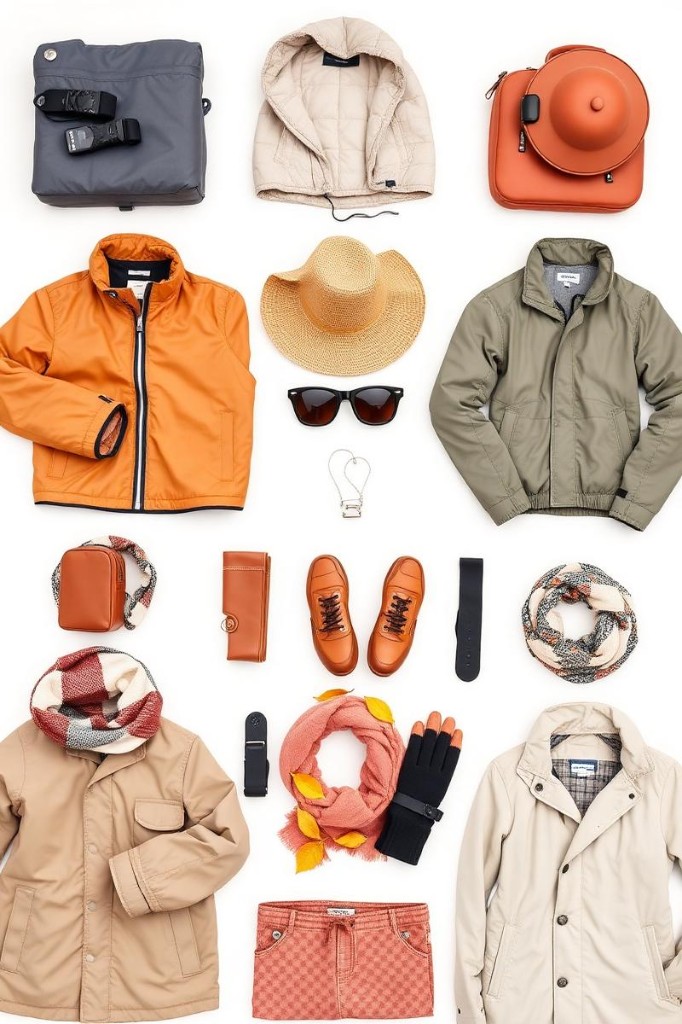
👕 Seasonal packing

Dry season (June-October): • Warm clothing for cool mornings (10°C / 50°F) • Layered clothing for thermal variations • Non-slip walking shoes • Reinforced sun protection (altitude) • Binoculars essential

Wet season (November-May): • Quality waterproof jacket • Long, quick-dry pants • Waterproof shoes mandatory • Plastic bags for camera gear • Change of clothes in the vehicle
Travel clothing and gear by season

💰 Seasonal budget

PeriodConservation fees ($/pers)Lodge accommodation ($/night)Guided safari ($/day)Camping ($/night)Traffic
June-October70400-800250-40030-50⭐⭐⭐⭐⭐
November-March70250-500180-30030-50⭐⭐⭐
April-May70200-350150-25030-50⭐⭐

💡 Money-saving tips

Save with a shared safari (splitting costs between 4-6 people), public camping vs private lodges (80% savings), combine Serengeti-Ngorongoro to dilute entry fees, book directly with local operators, avoid July-August for optimal prices

🏥 Health and precautions

Altitude 1,800m / 5,906ft: increased hydration and gradual acclimatization • Malaria: prophylaxis recommended, mosquito nets essential • Intense sun: maximum UV protection at altitude • Dust: respiratory protection in dry season • First aid kit: anti-diarrheals, painkillers, bandages • Medical evacuation: international insurance mandatory

Natural events

Calendar of exceptional natural phenomena in the Ngorongoro Crater

The crater offers unique natural spectacles depending on the season, transforming every visit into a privileged experience at the rhythm of wildlife.

🦁 Big cat breeding period (January-March)

Lions and leopards enter their breeding season, offering exceptional behavioral observations in the crater plains.

Location: Central plains and Lerai wooded areas

Feature: Nocturnal roars audible from the rim lodges

Impact: Increased feline activity, spectacular territorial behaviors, optimal wildlife photography

Access: Morning safaris recommended, 4x4 vehicles mandatory

Tip: Book accommodation 6 months in advance for this popular period

🦩 Pink flamingo migration (November-April)

Lake Magadi transforms into a pink sanctuary hosting up to 40,000 flamingos during the wet season and its proliferating algae.

Location: Alkaline Lake Magadi, south-central crater

Feature: Unique visual spectacle with mountain reflections

Impact: Major focal point for safaris, exceptional photographic conditions at sunrise

Access: Lake road passable in dry season only

Tip: Telephoto lens essential, best hours: 6am-8am and 4pm-6pm

🐘 Elephant gathering (July-September)

Elephant herds converge toward the last permanent water points, creating spectacular concentrations of pachyderms.

Location: Gorigor Swamp and permanent springs

Feature: Complex social interactions and visible hierarchies

Impact: Guaranteed close-up observation, privileged family behaviors

Access: Area accessible all day, regulated parking

Tip: Respect a minimum safety distance of 25m / 82ft, engine off for prolonged observations

Seasonal events

Dry season (June-October): • Maximum wildlife concentration at water points (July-August) • Optimal Big Five period (September) • Increased predator activity (October)

Wet season (November-May): • Herbivore births (January-February) • Acacia flowering and greenery (March-April) • Return of migratory birds (November) • Dramatic cloud formations and thunderstorms (December-January)

Responsible safari

Adopt respectful tourism for this fragile ecosystem classified as a World Heritage site, by minimizing your impact on this preserved natural wonder.

The Ngorongoro Crater requires a strict eco-responsible approach: respect wildlife distances, limit vehicles, mandatory certified guides, zero waste, support local Maasai communities, direct contribution to conservation via entry fees redistributed for ecosystem protection.

🌱 Low-season advantages

Visiting in the low season (April-May, November) reduces tourist pressure on sensitive wildlife, allows for a more authentic experience, and contributes to the local economy during off-peak periods.

♻️ Sustainable travel tips

Choose operators certified by the Tanzania Tourism Association, prioritize solar-powered lodges, respect the 25m / 82ft minimum rule with wildlife, use reusable water bottles, support authentic Maasai crafts, limit noise and sudden movements

🏙️ Local sustainable initiatives

The crater benefits from innovative programs: wildlife corridors connecting to the Serengeti, Maasai beekeeping projects, renewable energy in lodges, continuous scientific research, local guide training, tourist revenues redistributed to communities (40% of receipts).

Our recommendations

Expert recommendations for your Ngorongoro Crater safari

Our climate analyses and field expertise reveal the best strategies to optimize your safari in this Tanzanian jewel. Between weather conditions, animal behaviors, tourist traffic, and seasonal rates, each period offers specific advantages. Our selection prioritizes the optimal balance between comfort, budget, authenticity, and richness of observations to transform your visit into an unforgettable experience at the heart of this exceptional caldera.

🏆 Optimal period: July-September

Recommended months: July, August, September

Advantages:
• Maximum visibility of wildlife concentrated around water points
• Ideal weather conditions with clear skies and passable roads
• Elephant gathering period and predator activity
• Pleasant temperatures and perfect lighting for photography
• Optimal accessibility to all crater sites

Key events: Elephant gatherings, spectacular hunts, crystal-clear skies

Disadvantages: Maximum traffic and peak accommodation rates

Ideal profile: First-time safaris, photography enthusiasts, families with children

Stay duration: 3-4 days recommended

⚖️ Balanced alternative: January-February

Months: January, February

Description: Excellent compromise between favorable conditions, moderate rates, and privileged experiences during the big cat breeding season.

Specific advantages: Animal births, fascinating reproductive behaviors, reasonable traffic, intermediate prices

For whom: Experienced travelers, animal behavior enthusiasts, medium budgets

👥 Tips for your travel style

Family: July-August + rim lodges + short safaris + experienced guides + comfortable vehicles

Budget: November + public camping + shared safaris + green season + avoid weekends

Photography: August-September + golden light + telephoto lenses + morning blinds + rewarded patience

First time: July + English-speaking guide + comfortable lodge + classic program + maximum safety

Nature expert: January-February + reproductive behaviors + isolated lodges + private safaris + privileged observations

❌ Period to avoid: April-May

Months: April, May

Reasons: Intense rains making some tracks impassable, reduced visibility due to dense vegetation, muddy roads limiting access to the best spots

Nuances: Acceptable for very tight budgets and lovers of lush green landscapes, nature photographers

Villes du même pays

All cities

Frequently asked questions

Essential answers to perfectly plan your safari according to the climatic and natural specificities of the crater.

What is the best month to visit the Ngorongoro Crater?

July and August offer optimal conditions with concentrated wildlife, passable roads, and maximum visibility. However, January-February are an excellent alternative with fewer tourists and the big cat breeding season. Avoid April-May (heavy rains) unless you prefer lower rates and lush green landscapes. The choice depends on your priorities: maximum comfort (July-August) or authenticity (January-February).

How many days should I plan for the Ngorongoro Crater?

2 to 3 days minimum are recommended to fully appreciate the crater. One day allows for an initial discovery, but 2-3 days offer multiple descents with varied light conditions and in-depth behavioral observations. Enthusiasts can plan 4-5 days by combining with Olduvai Gorge and Maasai cultural activities. The crater is ideally visited at the slow pace of a contemplative safari.

What to do in the Ngorongoro Crater in case of rain?

Indoor alternatives include the Visitor Center with interactive exhibits, the Olduvai Gorge Museum for archaeology, and the rim lodges offering protected panoramic views. Safaris remain possible with closed vehicles toward Hippo Pool and Lerai Forest. Rains often create dramatic atmospheres exceptional for photography. Bring waterproof gear and remain flexible with your schedule.

Which events should not be missed in the Ngorongoro Crater?

Seasonal highlights: elephant gathering (July-September), lion breeding period (January-March), pink flamingo migration on Lake Magadi (November-April). Each season offers its specificities: herbivore births (January-February), maximum concentrations at water points (August), spectacular thunderstorms (December-January). Plan according to your interests: animal behavior, photography, or natural phenomena.

What budget should I plan according to the season?

High season budget (June-October): 150-200€ / 160-215$ per day for camping, 400-800€ / 430-860$ per night for lodges + 70$ per day conservation fees. Low season (April-May): 30-50% savings on accommodation. Incompressible costs: entry fees (70$/person/day), mandatory 4x4 vehicle (200-400$/day depending on sharing). Realistic total budget: 300-500€ / 325-540$ per person/day in high season, 200-350€ / 215-380$ in low season, excluding international flights.