When to visit Seronera? Safari Guide

Discover the heart of the Serengeti and its unique seasons for an unforgettable safari

  • 500 inhabitants population
  • Swahili, English language
  • 85 days rainy days/year
  • from June to October best time to visit
  • 3 to 7 days recommended stay

Serengeti Climate

Understanding the dry tropical climate of Seronera

Seronera enjoys a dry tropical climate characterized by two distinct seasons. Located in the heart of Serengeti National Park, this region is influenced by altitude and seasonal winds that dictate animal migrations.

MonthMin Temp (°C / °F)Max Temp (°C / °F)Precipitation (mm / in)Sunshine (h/day)Tourist TrafficRecommended Activities
January16°C / 61°F27°C / 81°F95mm / 3.7in8⭐⭐⭐Safari, wildlife viewing
February16°C / 61°F28°C / 82°F75mm / 3.0in8⭐⭐⭐Safari, photography
March17°C / 63°F28°C / 82°F125mm / 4.9in7⭐⭐Morning safari
April18°C / 64°F26°C / 79°F185mm / 7.3in6Bird watching
May16°C / 61°F25°C / 77°F95mm / 3.7in7Budget safari
June14°C / 57°F25°C / 77°F35mm / 1.4in8⭐⭐⭐⭐Great Migration
July13°C / 55°F24°C / 75°F25mm / 1.0in8⭐⭐⭐⭐⭐Migration, river crossings
August14°C / 57°F25°C / 77°F35mm / 1.4in8⭐⭐⭐⭐⭐Premium safari
September15°C / 59°F27°C / 81°F25mm / 1.0in8⭐⭐⭐⭐Big cat viewing
October16°C / 61°F28°C / 82°F45mm / 1.8in8⭐⭐⭐Safari, ideal temperatures
November17°C / 63°F27°C / 81°F125mm / 4.9in7⭐⭐Short rains, lush greenery
December16°C / 61°F27°C / 81°F85mm / 3.3in8⭐⭐⭐Festive safari

The Seasons

Safari by Conditions

Optimize your safari experience by adapting your activities to weather conditions to maximize wildlife sightings.

☔ In rainy weather

Adapted Safari

Justification: Animals concentrate in sheltered areas and lodges offer covered viewing points.

Recommended Activities:
🏨 Observation from lodges with covered terraces
🦅 Ornithological safari (birds are very active)
📚 Serengeti interpretation centers
🌿 Short morning safari (before storms)
📸 Atmosphere photography with dramatic skies
☕ Rest and planning time in camps

Practical Tip: Book safaris in closed vehicles and prioritize lodges with indoor activities
Tip: Storms create exceptional lighting for photography

☀️ In dry weather

Optimal Safari

Advantages: Maximum visibility, passable roads, animals active at water points.

Privileged Activities:
🦁 Extended game drives (6h-8h)
🌅 Sunrise/sunset safari
📸 Professional wildlife photography
🚶 Walking safaris (authorized zones)
🎈 Hot air balloon safari
🌙 Night safari
💧 Observation at water points

Best Time: Early morning (6am-9am) and late afternoon (4pm-6:30pm)
Seasonal Tip: June-October period ideal, avoid 11am-3pm in peak heat

🌤️ Mixed conditions

Flexible Safari

Versatility: Alternating sun-clouds offering the best photographic conditions.

Adaptive Strategies:
🔄 Modular safari according to instant weather
⏰ Flexible departures according to clearings
📱 Real-time weather tracking

Weather Tip: Animals are more active in overcast weather and moderate temperatures
Itinerary Example: Long morning safari, afternoon rest if storm, evening according to conditions

💰 Budget safari

Budget Options

Advantageous Periods:
🌧️ Rainy season (March-May): -40% on accommodations
📅 January-February: intermediate rates

Budget Tips:
• Public camping in the park
• Shared vs. private safaris
• Lodges on the park edge
• Early booking for dry season

Practical Guide

Prepare your Seronera safari with our essential recommendations for a successful stay in the wild heart of the Serengeti, taking into account climatic and logistical specifics.

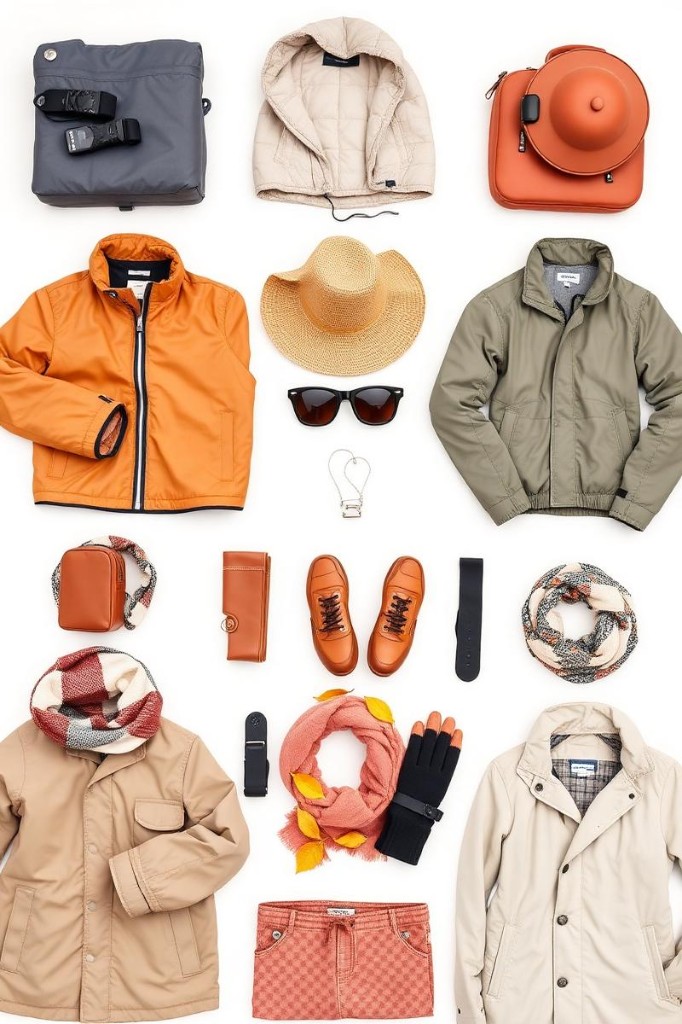
👕 Seasonal packing

Dry season (June-October): • Lightweight neutral-colored clothing • Fleece for cool mornings • Hat and sunglasses • Closed-toe dust-proof shoes

Rainy season (March-May): • Quality waterproof jacket • Quick-dry clothing • Waterproof shoes • Plastic bags for equipment

All seasons: • SPF 50+ sun protection • Binoculars and camera • Headlamp • Mosquito repellent
Travel clothing and gear by season

💰 Seasonal budget

PeriodLuxury Lodge ($/night)Standard Lodge ($/night)Camping ($/night)Guided Safari ($/day)Traffic
High season (Jun-Oct)800-1500300-60030-50400-800⭐⭐⭐⭐⭐
Mid season (Jan-Feb, Nov-Dec)500-1000200-40025-40250-500⭐⭐⭐
Low season (Mar-May)300-600150-25020-30200-350

💡 Money-saving tips

• Book 6-12 months in advance for high season • Favor shared safaris vs. private ones • Consider lodges on the park periphery • Take advantage of all-inclusive packages to control the budget • Avoid extra drinks and optional activities

🏥 Health and precautions

Malaria: mandatory preventive treatment, mosquito net, and repellents • Vaccinations: yellow fever recommended, universal vaccines updated • Altitude: increased hydration (1500m / 4921ft) • Sun: maximum protection, high risk of burns • Medical kit: anti-diarrheals, painkillers, disinfectants

Natural Events

Calendar of Seronera's must-see natural spectacles

The natural cycle of the Serengeti offers unique spectacles depending on the season, from the Great Migration to mass birthing.

🦓 Great Migration (June-August)

Africa's most grandiose spectacle with over 2 million animals crossing the Seronera region. Herds of wildebeest, zebras, and gazelles converge toward the north, creating unforgettable scenes.

Location: Central plains and Grumeti River
Highlight: Spectacular river crossings with predators
Impact: Maximum attendance, bookings essential 12 months in advance
Access: Main park tracks, prime viewing points
Tip: Lodge booking and experienced guide are essential

🍼 Birthing Season (January-March)

A magical period where over 500,000 young are born on the Serengeti plains. Predators are particularly active, offering exceptional observations of the food chain.

Location: Ndutu plains and southern Seronera
Highlight: Concentration of newborns and predator activity
Impact: Intense emotional experience, unique photography
Access: Passable roads, numerous viewing points
Tip: Patience required to observe births

🌧️ Green Transformation (April-May)

A spectacular metamorphosis of the landscape from golden savanna to lush green prairie. Migratory birds arrive in droves, creating an exceptional ornithological festival.

Location: Entire Seronera ecosystem
Highlight: Explosion of colors and avian biodiversity
Impact: Photogenic landscapes, tourist calm
Access: Some tracks difficult depending on rainfall
Tip: Ideal period for nature enthusiasts and tight budgets

Seasonal events

Dry season: • Concentration at water points (June-October) • Big cat mating (July-August) • Return migration (September-October)

Wet season: • Acacia blooming (November) • Arrival of migratory birds (December-February) • Turtle egg-laying (January) • Insect hatching (March-April)

Responsible Safari

Adopt sustainable tourism in Seronera by respecting the fragile Serengeti ecosystem and supporting local Maasai communities.

Responsible safari in Seronera implies strict compliance with park rules, choosing certified operators, supporting conservation initiatives, and raising awareness for the protection of this unique ecosystem classified as a World Heritage site.

🌱 Low-season advantages

Visiting during the rainy season reduces tourist pressure, allows for fair rates for local communities, and minimizes environmental impact on tracks and water points.

♻️ Sustainable travel tips

• Choose eco-certified lodges with solar panels • Respect minimum distances from wildlife (25m / 82ft) • Avoid single-use plastics • Support local Maasai crafts • Participate in conservation programs • Prioritize trained local guides

🏙️ Local sustainable initiatives

The Serengeti develops Maasai community programs, anti-poaching projects funded by tourism, reforestation initiatives, and educational programs to raise awareness among younger generations about conservation.

Our Recommendations

Expert recommendations for your Seronera safari

After analyzing climatic data, migratory cycles, and tourist traffic, here are our personalized tips to optimize your safari experience in the heart of the Serengeti. Each period offers specific advantages depending on your priorities: wildlife viewing, photography, budget, or tranquility.

🏆 Optimal Period: July-September

Recommended Months: July, August, September

Advantages:
• Great Migration at its peak
• Ideal weather conditions (dry, sunny)
• Maximum visibility for safaris
• All roads passable
• Intense predator activity

Key Events: Grumeti River crossings, record concentrations at water points
Disadvantages: Maximum traffic, premium rates
Ideal Profile: First safari, wildlife photography enthusiasts
Stay Duration: 4-6 days minimum

⚖️ Balanced Alternative: January-February

Alternative Months: January, February
Description: Excellent compromise between favorable conditions and moderate attendance, with the unique spectacle of the birthing season.
Specific Advantages: Intermediate rates, birth observations, pleasant weather, fewer crowds
For Whom: Families, experienced travelers, medium budgets

👥 Tips for your travel style

Family: January-February, family lodges, short safaris adapted for children
Budget: March-May, camping, shared safaris, early booking
Photography: July-September, specialized guides, open vehicles
First-timer: June-October, experienced guides, comfortable lodges
Ornithology: November-April, ornithologist guides, migratory season

❌ Delicate Periods: April-May

Months to avoid: April, May (peak rainy season)
Reasons: Intense rains limiting safaris, impassable roads, reduced visibility, risk of activity cancellations
Nuances: Acceptable for very experienced travelers, tight budgets, or ornithology enthusiasts

Villes du même pays

All cities

Frequently Asked Questions

Answers to essential questions for planning your Seronera safari according to the specific climate of the Serengeti.

What is the best month to visit Seronera?

July and August offer optimal conditions with the Great Migration, dry weather, and perfect visibility. For a good quality-price compromise, prioritize January-February with the birthing season and fewer tourists. Avoid April-May (intense rains) unless on a very tight budget.

How many days should I plan for Seronera?

A minimum of 3 days for a first glimpse, ideally 5-7 days for a complete experience. Enthusiasts can stay 10-14 days to follow the migration. Allow 2 days for travel from Europe, so 7-10 days total for a balanced stay.

What to do in Seronera in case of rain?

Lodges offer covered terraces to observe wildlife. Take the opportunity for bird-watching safaris (birds are very active), visit interpretation centers, or plan short morning safaris before the storms. Rain also creates exceptional dramatic lighting for photography.

What events should not be missed in Seronera?

The Great Migration (June-August) remains unmissable with river crossings. The birthing season (January-March) offers a unique spectacle with 500,000 young. In April-May, the green transformation of the landscape and the massive arrival of migratory birds create a special atmosphere.

What budget should I plan according to the season?

High season (June-October): $1000-$2000/person/day all-inclusive. Mid-season (January-February, November-December): $600-$1200/day. Low season (March-May): $400-$800/day. Add international flights ($800-$1500), visas ($50), and mandatory travel insurance.