When to visit Gorongosa? City-Trip Guide

Between savannah and modernity, Gorongosa offers a unique experience depending on the tropical seasons.

  • 0.2 M population
  • Portuguese, local languages language
  • 90 days rainy days/year
  • May to September best time to visit
  • 3 to 5 days recommended stay

Tropical Climate of Gorongosa

Understanding the semi-arid tropical climate of Gorongosa

Gorongosa enjoys a semi-arid tropical climate characterized by two distinct seasons. Its geographical location in central Mozambique influences climatic variations, with high temperatures tempered by the region's moderate altitude.

The region features a homogeneous climate zone with microclimatic variations depending on altitude and proximity to watercourses, which influence local humidity and nighttime temperatures.

MonthMin Temp (°C / °F)Max Temp (°C / °F)Precipitation (mm / in)Sunshine (h/day)Tourist TrafficRecommended Activities
January22°C / 72°F32°C / 90°F180mm / 7.1in6⭐⭐Morning wildlife viewing
February22°C / 72°F31°C / 88°F160mm / 6.3in6⭐⭐Nature photography
March21°C / 70°F30°C / 86°F120mm / 4.7in7⭐⭐⭐Short hikes
April19°C / 66°F29°C / 84°F40mm / 1.6in8⭐⭐⭐⭐Safaris, trekking
May16°C / 61°F28°C / 82°F10mm / 0.4in9⭐⭐⭐⭐⭐All activities
June14°C / 57°F26°C / 79°F5mm / 0.2in9⭐⭐⭐⭐⭐Camping, observation
July14°C / 57°F26°C / 79°F5mm / 0.2in9⭐⭐⭐⭐⭐Extended safaris
August16°C / 61°F28°C / 82°F5mm / 0.2in9⭐⭐⭐⭐⭐Trekking, photography
September19°C / 66°F30°C / 86°F15mm / 0.6in8⭐⭐⭐⭐Bird watching
October22°C / 72°F32°C / 90°F40mm / 1.6in7⭐⭐⭐Morning safaris
November23°C / 73°F33°C / 91°F80mm / 3.1in7⭐⭐Short visits
December23°C / 73°F32°C / 90°F140mm / 5.5in6⭐⭐Wildlife viewing

The moderate altitude of Gorongosa (200-400m / 656-1312ft) slightly tempers temperatures compared to coastal areas, offering cooler nights and less stifling days.

The Seasons

Activities by weather

Optimize your stay in Gorongosa by adapting your activities to the climatic conditions for an unforgettable experience.

☔ In rainy weather

Protected and adapted activities

The rainy season offers unique observation opportunities in a different setting.

Recommended activities:
🏠 Park visitor center and museum (2h, free, all year)
🦎 Close-up observation of reptiles and amphibians (morning, free)
📸 Macro photography of tropical flora (all day, personal equipment)
🏕️ Rest in lodges with observation from terraces
🌿 Guided botanical discovery under forest cover (3h, €15)

Practical tip: Tropical showers are often short and intense, allowing for outings between downpours.
Additional tip: This is the ideal period to observe nesting behaviors and young animals.
☀️ In dry and sunny weather

Optimal outdoor activities

The dry season reveals all the splendor of Gorongosa with exceptional visibility.

Sites and activities:
🦁 Morning safaris to water points (5am-9am, €25, May-September)
🥾 Mount Gorongosa hike (full day, €40, guide mandatory)
🦅 Lake Urema bird watching (3h, €20, binoculars provided)
📷 4x4 photographic safaris (half-day, €35)
⭐ Night safaris (3h, €30, lamps provided)
🏕️ Camping under the stars (night, €15/person)

Best time of day: Early morning (6am-9am) and late afternoon (4pm-6pm) to avoid heat and optimize observation.
Season tip: May to September offers optimal conditions with concentrated wildlife.

🌤️ Versatile activities

Adaptable experiences

Some activities remain accessible and enjoyable regardless of the weather.

Versatile sites:
🏛️ Visit to the scientific research center
🌳 Short walks around the lodges
🎣 Fishing on Lake Urema (with permit)
🏪 Discovery of local communities
🍃 Botany initiation workshops

Weather tip: Start with outdoor activities in the morning, retreat indoors in case of bad weather.
Example itinerary: Morning short safari, afternoon research center visit, evening observation from the lodge.

💰 Affordable experiences

Accessible discovery

Free or low-cost activities:
🚶 Discovery trails around the main camp
🦋 Butterfly and insect observation
🌅 Sunrise and sunset from viewpoints
📚 Consultation of the naturalist library
🎨 Craft workshops with local communities

Budget tips: Camping instead of lodges, shared meals, group transport, local guides cheaper than organized tours.

Practical Guide

Prepare for your stay in Gorongosa with our practical tips adapted to the climatic and logistical specificities of this exceptional nature destination.

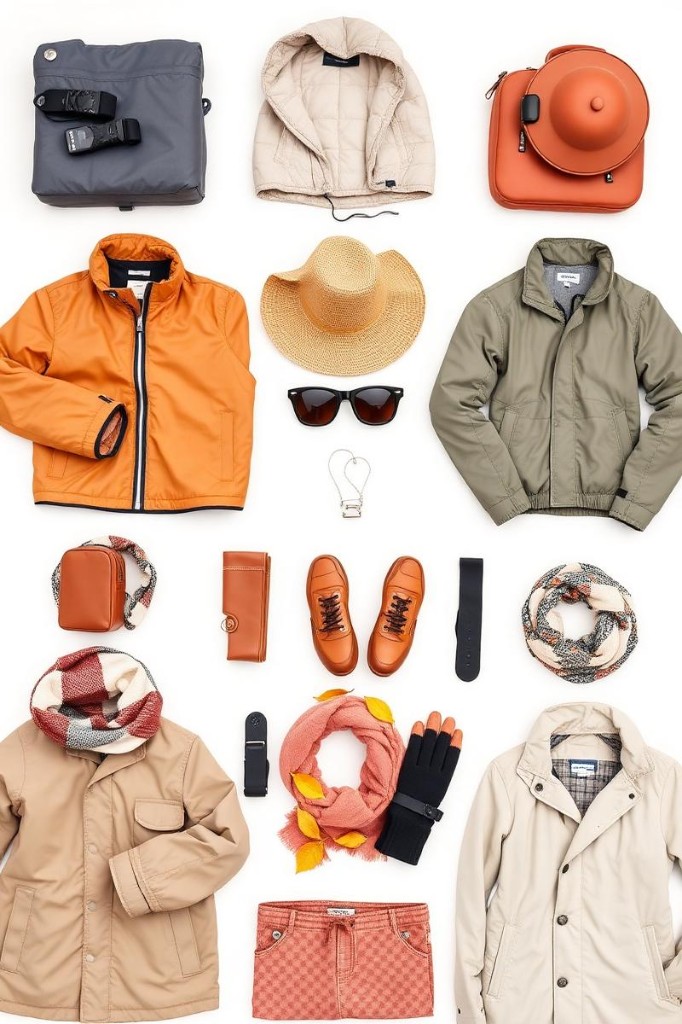
👕 Seasonal packing

Dry season (May-October): • Lightweight long-sleeved cotton clothing • Fleece for cool mornings • Closed walking shoes • Hat and sunglasses • High-protection sunscreen

Wet season (November-April): • Waterproof and quick-drying clothing • Poncho or rain jacket • Waterproof shoes or boots • Extra changes of clothes • Plastic bags to protect equipment
Travel clothing and gear by season

💰 Seasonal budget

PeriodAccommodation (€/night)Transport (€/day)Meals (€/day)Activities (€)Traffic
May-September45-12025-4015-3020-40⭐⭐⭐⭐⭐
October-November35-9020-3512-2515-35⭐⭐⭐
December-February30-7015-3010-2010-25⭐⭐
March-April35-8520-3012-2215-30⭐⭐⭐

💡 Money-saving tips

• Book camping accommodation to reduce costs by 60% • Group up to share guide and transport costs • Favor the wet season for reduced rates • Bring your own camping gear and binoculars • Cook your own meals if the accommodation allows

🏥 Health and precautions

• Reinforced mosquito protection (repellent, mosquito net) • Yellow fever vaccination mandatory • Antimalarial treatment recommended • Complete first aid kit • Constant hydration (3L/day minimum) • Maximum sun protection • Avoid drinking untreated water

Natural Events

Calendar of remarkable natural phenomena in Gorongosa

Gorongosa offers seasonal natural spectacles that pace the wildlife and enrich the visitor experience depending on the time of year.

🦁 Great migration to water points (June-September)

Exceptional concentration of wildlife around the last permanent water sources. Animals converge on Lake Urema and the rivers, offering unique observation opportunities. The park transforms into a natural theater where predators and herbivores coexist in a delicate balance.

Location: Lake Urema and Pungue River
Feature: Maximum animal density of the year
Climate impact: Dry season facilitates access and visibility
Transport access: Roads passable, 4x4 recommended
Booking tip: Book accommodation 3 months in advance

🐣 Breeding and birth season (December-March)

A magical period when nature regenerates. Animal births multiply, taking advantage of the food abundance linked to the rains. Privileged observation of parental behaviors and young animals discovering their environment.

Location: Throughout the park, especially wooded areas
Feature: Unique parental protection behaviors
Climate impact: Dense vegetation, observation is more difficult but rewarding
Transport access: Some tracks may be impassable during heavy rain
Booking tip: Flexibility in planning outings

🦅 Ornithological migration (October-November and March-April)

The passage of migratory birds transforms Gorongosa into an international ornithological crossroads. Over 400 species are recorded during these periods, including rare and endemic species. Exceptional aerial spectacle at sunrise and sunset.

Location: Lake Urema, wetlands, canopy
Feature: Maximum ornithological diversity
Climate impact: Variable weather conditions, adaptation required
Transport access: All vehicles, observation points accessible
Booking tip: Binoculars and bird guide recommended

Seasonal events

Dry season: • Baobab flowering (August-September) • Elephant gatherings (July-August) • Maximum nocturnal predator activity (June-September)

Wet season: • Massive insect hatching (January-February) • Spectacular greening of the landscape (December-January) • Formation of temporary waterfalls (February-March) • Intense bird songs (November-December)

Responsible Tourism

Visit Gorongosa in an ethical and sustainable way by respecting this fragile ecosystem and supporting local communities.

Gorongosa National Park leads a unique ecological restoration project. Your visit contributes directly to biodiversity conservation and the development of local communities. Favor respectful practices: observation from a distance, following instructions, and supporting the local economy.

🌱 Low-season advantages

Visiting during the wet season reduces tourist pressure, allows for a more authentic experience, and supports the local economy during the off-season, while reducing environmental impact.

♻️ Sustainable travel tips

• Respect wildlife observation distances • Use local guides and porters • Buy crafts from communities • Minimize plastic waste • Save water and electricity • Stay on marked trails • Participate in voluntary conservation programs

🏙️ Local sustainable initiatives

The Gorongosa project combines conservation and community development: educational programs, local guide training, sustainable agriculture, health clinics, and anti-poaching protection. Your stay directly funds these sustainable development initiatives.

Our Recommendations

Personalized recommendations for your stay in Gorongosa

After analyzing climatic conditions, seasonal wildlife, and logistical specifics, we offer recommendations tailored to different traveler profiles. Gorongosa offers distinct experiences depending on the chosen period, between optimized observation in the dry season and intimate discovery in the wet season.

🏆 Optimal period: May to September

Recommended months: May, June, July, August, September

Advantages:
• Exceptional wildlife viewing at water points
• Passable roads and ideal camping conditions
• Dry and sunny weather, pleasant temperatures
• Maximum visibility in sparse vegetation
• Trekking and night safaris possible

Key events: Migration to water points, baobab flowering, elephant gatherings
Disadvantages: Higher crowds, higher prices
Ideal profile: Safari lovers, wildlife photographers, trekkers
Stay duration: 4 to 6 days recommended

⚖️ Interesting alternative: March-April and October-November

Alternative months: March, April, October, November
Description: Transition periods offering an ideal compromise between favorable weather conditions and moderate attendance.
Specific advantages: Intermediate prices, ornithological migration, changing landscapes, fewer visitors
For whom: Flexible travelers, birdwatchers, intermediate budgets, couples seeking privacy

👥 Tips for your travel style

Family: May-September, lodges with facilities, short safaris, educational visitor center, safe activities
Budget: March-April or November, camping, local guides, wet season for reduced rates
Nature/Photo: June-August for wildlife, December-February for landscapes, rain protection equipment
Romantic: May-June, charming lodges, private safaris, Lake Urema sunsets
Weekend: Possible all year round, 3 days minimum, concentrated safaris
First trip: July-August, optimal conditions, experienced guides, comfortable accommodation

⚠️ Delicate periods: December-February

Months concerned: December, January, February
Reasons: Intense rains making some tracks impassable, wildlife viewing more difficult, high humidity, risk of temporary zone closures
Nuances: Exceptional period for botanists, landscape photographers, and observers of reproductive behaviors

Villes du même pays

All cities

Frequently Asked Questions

Answers to essential questions to help you plan your discovery of Gorongosa according to climatic conditions.

What is the best month to visit Gorongosa?

July and August offer optimal conditions: dry weather, pleasant temperatures (14-28°C / 57-82°F), and wildlife concentrated at water points for easier viewing. This is the high season with maximum visibility and passable roads. To avoid crowds while maintaining good conditions, May-June and September are excellent alternatives with slightly lower prices.

How many days should I plan for Gorongosa?

A minimum of 3 days allows you to discover the essentials: morning safaris, observation at Lake Urema, and visiting the research center. For a complete experience including trekking Mount Gorongosa, night safaris, and in-depth observation time, 5 to 7 days are ideal. Nature enthusiasts can easily spend 10 days there by combining different activities and areas of the park.

What to do in Gorongosa when it rains?

The rainy season reveals a different facet of Gorongosa: visiting the visitor center and museum, close-up observation of reptiles and amphibians, macro photography of lush flora, and botanical discovery under the forest canopy. As tropical showers are often short, outings remain possible between downpours. It is also the ideal period to observe births and animal reproductive behaviors.

What events should not be missed in Gorongosa?

The great migration to water points (June-September) offers an exceptional concentration of wildlife. The breeding season (December-March) allows for the observation of births and unique parental behaviors. Ornithological migrations (October-November and March-April) transform the park into an international crossroads with over 400 species. Each season reveals specific natural phenomena: baobab flowering, elephant gatherings, and the formation of temporary waterfalls.

What budget should I plan according to the period?

In high season (May-September): €90-€160/day including accommodation, meals, and activities. In shoulder season (March-April, October-November): €70-€130/day. In low season (December-February): €50-€100/day with significant discounts on accommodation. Camping reduces costs by 40-60%. Add €200-€400 for international flights and €50 for the annual entry permit. Private safaris cost an additional €50-€100 per day.