When to visit Ilha de Moçambique? City-Trip Guide

Discover this historic pearl of the Indian Ocean according to the seasons for an unforgettable authentic experience.

  • 14,000 inhabitants population
  • Portuguese, Makhuwa language
  • 120 days rainy days/year
  • May to October best time to visit
  • 3 to 5 days recommended stay

Climate and Weather of Ilha de Moçambique

Understanding the tropical island climate of Ilha de Moçambique

The island enjoys a tropical climate influenced by the Indian Ocean. Trade winds temper the heat while the monsoon determines two distinct seasons, directly impacting the visitor experience of this UNESCO site.

  • Coastal Zone: Moderating oceanic influence with refreshing sea breezes
  • Historic Center: Urban heat island effect in the cobblestone alleys
  • Seafront: The most ventilated and pleasant area for walks
MonthMin Temp (°C / °F)Max Temp (°C / °F)Precipitation (mm)Sunshine (h/day)Tourist TrafficRecommended Activities
January24°C / 75°F30°C / 86°F1806⭐⭐Museums, colonial architecture
February24°C / 75°F30°C / 86°F1606⭐⭐Guided tours, gastronomy
March23°C / 73°F30°C / 86°F1407⭐⭐⭐Historical exploration
April21°C / 70°F29°C / 84°F808⭐⭐⭐Photography, walks
May18°C / 64°F27°C / 81°F409⭐⭐⭐⭐All outdoor activities
June16°C / 61°F25°C / 77°F209⭐⭐⭐⭐⭐Festivals, diving
July15°C / 59°F24°C / 75°F159⭐⭐⭐⭐⭐Whale watching
August16°C / 61°F25°C / 77°F209⭐⭐⭐⭐⭐Water sports
September18°C / 64°F26°C / 79°F308⭐⭐⭐⭐Hiking, culture
October20°C / 68°F28°C / 82°F608⭐⭐⭐⭐Beaches, snorkeling
November22°C / 72°F29°C / 84°F1007⭐⭐⭐Architecture, crafts
December23°C / 73°F30°C / 86°F1406⭐⭐Celebrations, gastronomy

As the island is flat (maximum altitude 33 ft / 10 m), climatic variations are mainly linked to exposure to sea winds and the urban density of the historic center.

The Seasons

Must-sees according to the weather

Optimize your discovery of Ilha de Moçambique by adapting your visits to climatic conditions for a memorable experience.

☔ In cloudy/rainy weather

Indoor & sheltered

Rainy days reveal the inner charm of the historic island with its sheltered architectural treasures.

Recommended Sites:
🏛️ Museum of Ilha de Moçambique (2h, 100MT, all year)
⛪ Santo António Church (1h, free, morning)
🏰 Fortaleza de São Sebastião (3h, 50MT, afternoon)
🎨 Local art galleries in colonial houses (1-2h, variable)
📚 Historic library (1h, free, morning)
🍽️ Traditional restaurants with covered terraces

Practical Tip: Booking recommended for the museum in high season

Additional Tip: Link the historic center sites on foot under the colonial arcades
☀️ In good weather

Optimal outdoor

The sun reveals all the beauty of Swahili architecture and the vibrant colors of the Indian Ocean.

Recommended Sites:
🏖️ White sand beaches (half-day, free, morning/late afternoon)
🚶 Walk on the ramparts (2h, free, sunset)
🏛️ Exterior colonial architecture (3h, free, morning)
🎣 Traditional fishing port (1h, free, sunrise)
🌅 North point for panoramas (1h, free, golden hour)
⛵ Traditional dhow excursions (half-day, 800MT)

Best time of day: Sunrise and sunset for exceptional golden light

Season Tip: Avoid the hottest hours (11am-3pm) in the dry season

🌤️ Versatile for any weather

Flexible

These sites adapt perfectly to tropical weather changes.

Recommended Sites:
🏪 Covered markets and local crafts
🍴 Restaurants with modular terraces
🎭 Community cultural centers

Weather Tip: Start outdoors in the morning, retreat indoors in case of a shower

Itinerary Example: Morning market → museum if it rains → rampart walk at the end of the day

💰 Free or economical

No cost

Free Sites:
🚶 UNESCO Historic Center (free access)
🌅 Panoramic viewpoints
🏖️ Public beaches
⛪ Historic churches (outside of mass)

Free days: Some museums offer free access on Sunday mornings

Budget tips: Local markets, street food, sunsets from the ramparts

Practical Guide

Prepare your stay in Ilha de Moçambique with our tips adapted to tropical climatic specificities and the discovery of this historic jewel of the Indian Ocean.

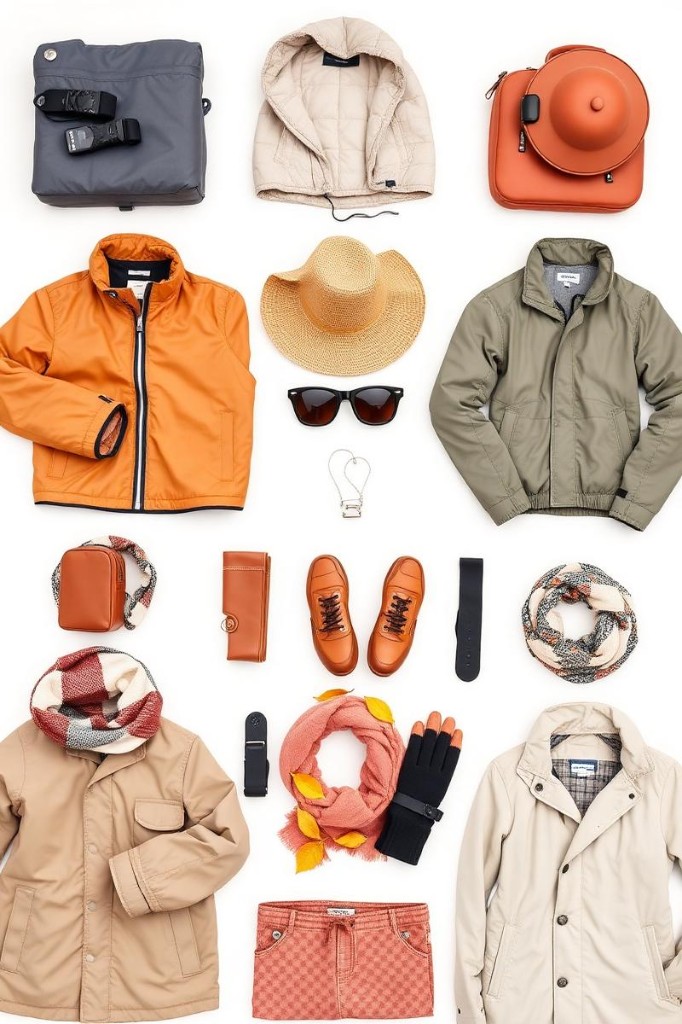
👕 Seasonal packing

Dry Season (May-October): • Comfortable closed shoes for cobblestones • Light jacket for cool evenings • Hat and sunglasses • Enhanced sun protection • Waterproof bag for excursions

Wet Season (Nov-April): • Quick-dry sandals • Lightweight and compact raincoat • Breathable moisture-wicking clothing • Compact umbrella • Plastic bag for electronic devices
Travel clothing and gear by season

💰 Seasonal budget

PeriodCenter Accommodation (€/night)Transport (€/day)Restaurants (€/day)Attractions (€)Traffic
High season (June-Sept)40-8015-2520-3510-15⭐⭐⭐⭐⭐
Mid season (May, Oct)30-6010-2015-258-12⭐⭐⭐⭐
Low season (Nov-April)20-458-1512-205-10⭐⭐

💡 Money-saving tips

• Negotiate prices for dhows and local guides
• Favor local cuisine in markets
• Homestay accommodation for authenticity
• Avoid restaurants facing the ocean (tourist surcharge)
• Local transport by chapa (minibus) is very economical

🏥 Health and precautions

• Enhanced mosquito protection (malaria)
• Constant hydration in tropical climate
• High SPF sunscreen (ocean reflection)
• First aid kit (limited pharmacies)
• Watch out for slippery cobblestones in wet weather
• Yellow fever vaccination recommended

Cultural Events

Calendar of must-see festivities in Ilha de Moçambique

The island vibrates to the rhythm of unique celebrations blending Swahili traditions, Arab influences, and colonial heritage for a total cultural immersion.

🎭 Ilha Festival (July)

Major celebration of Mozambican culture with traditional dances, live music, and local crafts in the cobblestone streets of the historic center. Exceptional festive atmosphere transforming the island into a giant stage.

Location: UNESCO Historic Center and main squares

Specialty: Unique fusion of Swahili, Arab, and Portuguese cultures

Climate Impact: Ideal dry season, accommodation bookings essential 3 months in advance

Transport Access: Special shuttles from Nampula, reinforced ferry service

Anticipation Tip: Homestay booking recommended for authenticity

🕌 Eid Celebrations (variable dates)

Religious Muslim holidays particularly important on the island, with community prayers, traditional feasts, and exceptional local hospitality. Islamic architecture takes on a unique spiritual dimension.

Location: Historic mosques and residential neighborhoods

Specialty: Opening of private homes to respectful visitors

Climate Impact: Adaptation according to the lunar calendar, bring respectful attire

Transport Access: Free local transport to main mosques

Anticipation Tip: Inquire about precise dates with local guides

🎨 Heritage Week (September)

Event dedicated to the preservation of UNESCO heritage with specialized guided tours, contemporary art exhibitions, and conferences on Swahili history in restored monuments.

Location: Museums, fortress, and historic palaces

Specialty: Exceptional access to sites usually closed to the public

Climate Impact: Perfect end of dry season, moderate influx of experts

Transport Access: Special programs from Maputo and Pemba

Anticipation Tip: Prior registration for conferences and VIP tours

Seasonal events

Dry Season: • Dhow Festival (August) • Photography Contest (September) • Permanent craft market (May-October)

Wet Season: • New Year celebrations (January) • Gastronomy Festival (February) • Traditional fishing festivals (March)

Local Holidays: Museums closed on June 25 (Independence) and October 4 (Peace)

Responsible Tourism

Visit Ilha de Moçambique in a respectful and sustainable manner to preserve this exceptional UNESCO heritage and support authentic local communities.

The fragile island requires conscious tourism: respect for local traditions, support for the community economy, preservation of historical architecture, and protection of the surrounding marine ecosystem for future generations.

🌱 Low-season advantages

Visiting in the wet season reduces tourist pressure, offers fair rates to locals, allows for authentic exchanges, and contributes to the local economy all year round.

♻️ Sustainable travel tips

• Homestay accommodation to directly support families
• Buy local crafts rather than imported souvenirs
• Respect prayer times and dress traditions
• Transport by local chapa rather than private taxi
• Consume in family restaurants in the residential neighborhood
• Photos with prior authorization from residents

🏙️ Local sustainable initiatives

The island is developing community projects: training local guides, traditional craft workshops, participatory heritage restoration, mangrove protection, sustainable fishing, and educational programs for young islanders.

Our Recommendations

Expert recommendations for your discovery of Ilha de Moçambique

After analyzing climatic data, tourist traffic, and cultural events, our recommendations guide you to the ideal period according to your traveler profile. The island offers different but always authentic experiences depending on the chosen season, between architectural heritage and cultural immersion.

🏆 Optimal Period: June to September

Advantages:
• Perfect weather conditions (59-77°F / 15-25°C)
• Exceptional visibility for photography
• Calm sea ideal for water activities
• Ilha Festival and major cultural events
• Dry season guaranteeing access to all sites

Key Events: Ilha Festival (July), Heritage Week (September)

Disadvantages: Maximum crowds, high accommodation prices

Ideal Profile: First-time visitors, history and culture enthusiasts, photographers

Stay Duration: 4-5 days recommended

⚖️ Interesting Alternative: May and October

Transition periods offering an excellent compromise between favorable conditions and moderate attendance. Weather is still mild with the beginning/end of the dry season.

Specific Advantages: Intermediate prices, fewer crowds, acceptable weather, more intimate experience

For Whom: Flexible travelers, average budgets, lovers of authenticity

👥 Tips for your travel style

Family: May-September, guesthouse accommodation, organized transport, adapted heritage sites
Budget: November-April, homestay, local transport, markets, and free sites
Culture: July (festival), specialized guides, museums and monuments, community encounters
Romantic: June-August, sunset dhow, ocean-facing restaurants, rampart walks
Weekend: Any dry season, essential sites concentrated, Maputo-Nampula flight
First Trip: July-September, local guide, comfortable accommodation, classic program

⚠️ Delicate Periods: December to February

Reasons: Cyclonic season possible, frequent intense rains, extreme humidity, access to sites sometimes limited

Nuances: Acceptable for experienced travelers who love the intense tropical atmosphere and small budgets

Villes du même pays

All cities

Frequently Asked Questions

Answers to essential questions to plan your trip to Ilha de Moçambique according to the tropical climate.

What is the best month to visit Ilha de Moçambique?

July and August offer optimal conditions with a dry climate (59-75°F / 15-24°C), calm seas, and the Ilha Festival. It is the ideal time to discover colonial architecture under blue skies and enjoy water activities. However, expect more tourists and higher prices. For a good compromise, May and September combine favorable weather with moderate crowds.

How many days should I plan for Ilha de Moçambique?

3 to 5 days allow for a complete discovery of the island. Count at least 2 days for UNESCO heritage (fortress, museums, architecture), 1 day for cultural immersion (markets, local encounters), and 1-2 days for water activities (dhow, diving, beaches). History enthusiasts can easily spend a week there with excursions to neighboring islands and deeper cultural exploration.

What to do in Ilha de Moçambique when it rains?

Rain reveals the island's inner charm! Visit the Museum of Ilha de Moçambique, explore the Fortaleza de São Sebastião, discover art galleries in colonial houses, and savor local cuisine in traditional restaurants. Historic churches also offer a cultural refuge. As tropical showers are often short, alternate between indoor and outdoor sites according to the clearings.

What events should not be missed in Ilha de Moçambique?

The Ilha Festival in July is the flagship event with dances, music, and crafts in the historic streets. Heritage Week in September offers privileged access to monuments. Eid celebrations (variable dates) allow for an authentic immersion into local Muslim culture. In the wet season, February gastronomy festivals celebrate traditional Swahili cuisine.

What budget should I plan according to the season?

In high season (June-September): €60-120/day with accommodation €40-80, meals €20-35, and activities €10-15. In low season (November-April): €35-70/day with accommodation €20-45, meals €12-20, and activities €5-10. Homestays (€15-30) and local cuisine (€5-10/meal) can significantly reduce costs while supporting the local economy.