When to visit Vilanculos? Complete Travel Guide

Between the bright dry season and the lush rainy season, Vilanculos reveals a different face depending on the month.

  • 0.06 M population
  • Portuguese, Chitswa, Bitonga language
  • 85 days/year rainy days/year
  • May to October best time to visit
  • 5 to 10 days recommended stay

Weather and climate trends in Vilanculos

Understanding the coastal tropical climate of Vilanculos

Vilanculos enjoys a tropical savanna climate influenced by the Indian Ocean, located at 22° south latitude. The town experiences two distinct seasons: a cool dry season from May to October and a warm rainy season from November to April, with a cyclone risk between December and February.

MonthMin Temp. (°C / °F)Max Temp. (°C / °F)Precip. (mm / in)Sunshine (h/day)Tourist FootfallRecommended Activities
January24°C / 75°F32°C / 90°F120 / 4.77⭐⭐⭐Beach, snorkeling, diving
February24°C / 75°F32°C / 90°F110 / 4.37⭐⭐Dhow sailing, marine wildlife watching
March23°C / 73°F31°C / 88°F90 / 3.57⭐⭐Scuba diving, sport fishing
April21°C / 70°F29°C / 84°F50 / 2.08⭐⭐Coastal hiking, village discovery
May18°C / 64°F27°C / 81°F30 / 1.28⭐⭐⭐Kitesurfing, Bazaruto Archipelago excursions
June16°C / 61°F25°C / 77°F20 / 0.88⭐⭐⭐Sailing, fishing, crystal-clear diving
July15°C / 59°F24°C / 75°F15 / 0.69⭐⭐⭐⭐⭐All water activities, marine safaris
August16°C / 61°F25°C / 77°F20 / 0.89⭐⭐⭐⭐⭐Diving, snorkeling, dugong watching
September18°C / 64°F27°C / 81°F25 / 1.09⭐⭐⭐⭐Kitesurfing, island excursions, fishing
October20°C / 68°F29°C / 84°F40 / 1.69⭐⭐⭐⭐Beach, boating, local festivals
November22°C / 72°F31°C / 88°F70 / 2.88⭐⭐⭐Diving, local market discovery
December23°C / 73°F32°C / 90°F100 / 3.97⭐⭐⭐⭐Festive beach, sunset dhow cruise

Seasons in Vilanculos

Must-sees according to the weather

Vilanculos and its Bazaruto Archipelago hold treasures adapted to every weather condition. Organize your itinerary intelligently according to the weather so you don't miss anything in this exceptional Indian Ocean destination.

☔ In overcast or rainy weather

Indoor & sheltered activities in Vilanculos

When tropical showers arrive, Vilanculos offers several ways to continue the adventure under cover while remaining fully immersed in the culture and local crafts of the Mozambican coast.

  • 🏺 Vilanculos Craft Market — Discovery of wood carvings, woven baskets, and local jewelry | All year | Free entry
  • 🎣 Traditional Fishing Center — Observation and participation in dhow fishing techniques | Ideal in the morning | Free or with guide (5-10 USD)
  • 🍽️ Covered seafront restaurants — Tasting of fresh crab, giant prawns, and grilled lobster | Lunch and dinner | 10-25 USD/pers
  • 🏨 Lodge Spas — Massages with tropical oils, papaya treatments | By reservation | 30-60 USD
  • 📚 Vilanculos Community Museum — History of the region, Bitonga culture, exhibition of ancient dhows | Morning | 3-5 USD

Practical tip: Book premium lodge spas in advance in high season (July-August). Some lodges offer group cultural experiences during rainy days.

Tip: Take advantage of overcast weather to visit the market early in the morning, then follow up with a seafood lunch in one of the covered seafront restaurants.

☀️ In good weather

Optimal outdoor activities around Vilanculos

Under a generous sun, Vilanculos and the Bazaruto Archipelago reveal all their splendor: translucent waters, pink sandbanks, and intact coral reefs. Take advantage of sunny days to explore this natural paradise.

  • 🏝️ Bazaruto Island — Snorkeling on the reefs, dugong watching | 1-day dhow excursion | 50-80 USD
  • 🐠 Benguerra Island — Scuba diving, pristine beaches | Ideal morning | Speedboat access 40-60 USD
  • 🪁 Vilanculos Beach — Kitesurfing, windsurfing, paddleboarding | All day | Lessons from 50 USD/h
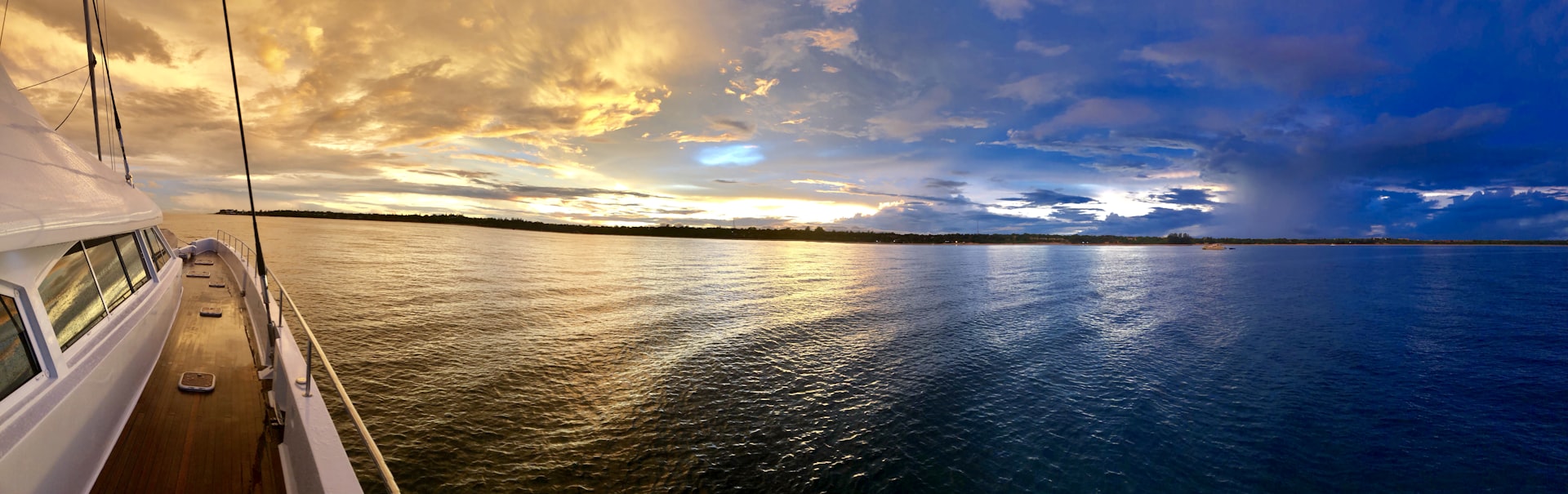
  • Traditional Dhow Cruise — Sunset sailing with seafood appetizer | Evening (golden hour) | 30-50 USD/pers
  • 🐢 Two Seas Islet — Sea turtle watching, line fishing | Morning recommended | 40-70 USD
  • 🌅 Panorama from Vilanculos Hill — 360° view of the bay and archipelago | Sunrise or sunset | Free entry

Best moment: Sunrise on Vilanculos beach is a unique spectacle, as is the golden hour on a dhow in the bay.

Seasonal tip: May to October guarantees the best conditions. Avoid sea outings in the middle of the day in January-February (extreme heat and humidity).

🌤️ Versatile for all weather

Flexible sites regardless of weather

Some places in Vilanculos adapt perfectly to all weather conditions, combining comfortable interiors and accessible exteriors depending on the whims of the tropical weather.

  • 🎨 Local artisan workshops — Pottery, weaving, custom sculpture
  • 🍹 Covered seafront beach bars — Local atmosphere, tropical cocktails, live music
  • 🤿 Diving centers with relaxation area — Briefings, underwater theory, marine photo galleries

Weather tip: If a shower arrives during your excursion, diving centers have comfortable covered areas to watch documentaries on the archipelago's wildlife and continue the experience.

Sample itinerary: Morning dhow trip on the bay → Lunch in a covered seafood restaurant → Afternoon artisan workshop → Sunset appetizer in a beach bar.

💰 Free or budget-friendly

Vilanculos for free or almost

Vilanculos offers many ways to immerse yourself in its authentic atmosphere without breaking your budget.

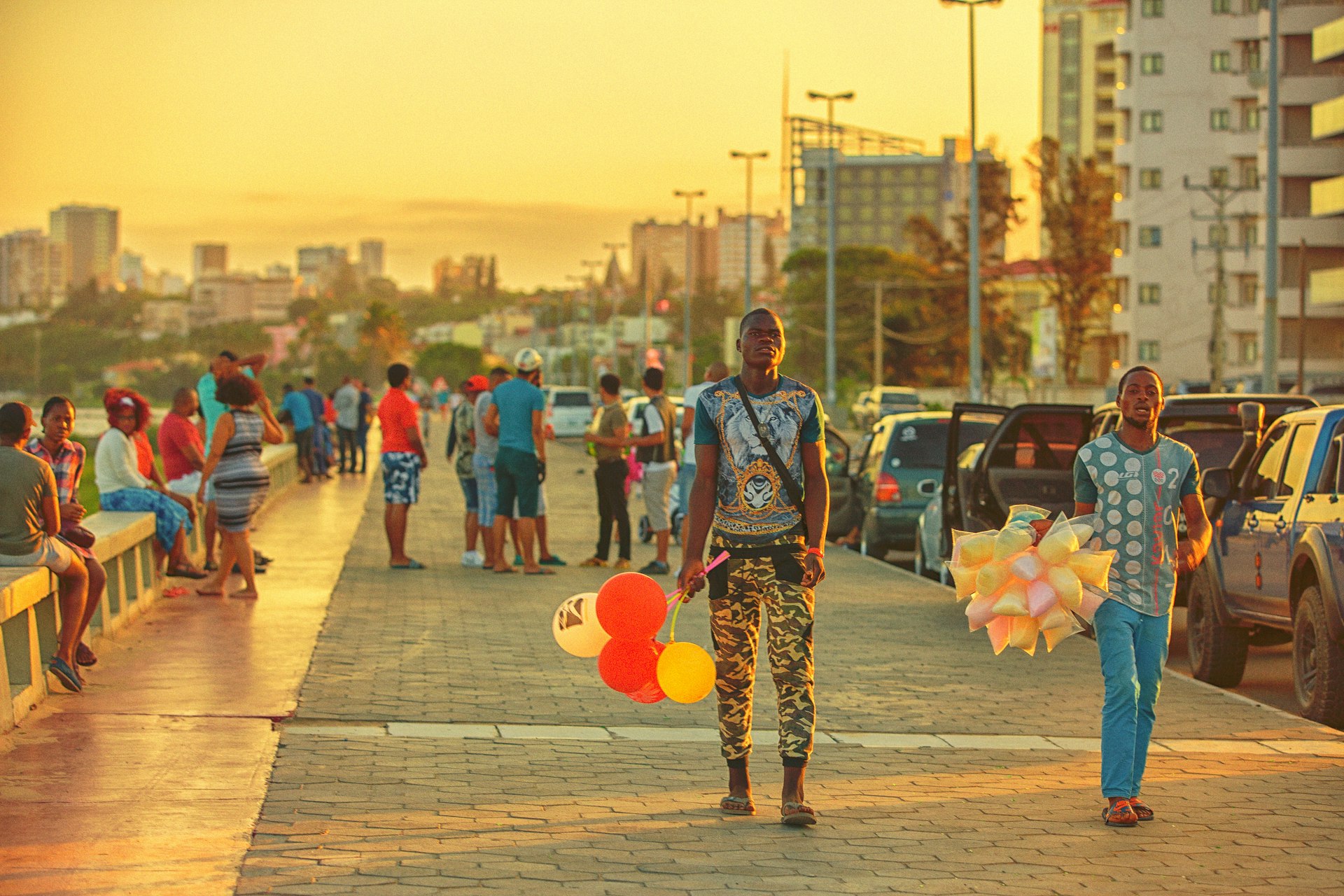
  • 🏖️ Main Vilanculos Beach — Swimming, watching fishermen depart in dhows, sunsets | Free entry
  • 🌊 Morning fish market — Lively spectacle of fishermen bringing in their catch, authentic local atmosphere | Free entry
  • 🦅 North coastal walk — Birdwatching, mangroves | Free entry
  • Portuguese colonial church — Historical architecture, neighborhood atmosphere | Free entry

Budget tips: Local markets offer meals for 2-5 USD. Sunsets from the public beach are just as spectacular as those from premium lodge terraces.

Practical Guide

Traveling to Vilanculos requires preparation adapted to the tropical climate that prevails on this Mozambican coast. Whether you come in the dry season to enjoy crystal-clear waters or in the rainy season for a more authentic experience, a few essential precautions will allow you to travel with peace of mind and fully enjoy every day in this Indian Ocean paradise.

👕 Seasonal packing

Cool dry season (May-August): • Light daytime clothing + light fleece for evenings • Swimwear and thin wetsuit • Wide-brimmed hat and UV400 sunglasses • Light walking shoes for coastal trails • Light windbreaker for dhow outings (cool sea breeze)

Warm dry season (September-October): • Ultra-light clothing in breathable natural fibers • 50+ SPF sunscreen essential • Comfortable sandals for beach and market • Light dress or shorts for evenings at restaurants

Rainy season (November-April): • Light, compact waterproof raincoat • Quick-dry clothing (light synthetics) • Closed sandals or waterproof shoes for muddy roads • Long-lasting mosquito repellent (long sleeves at sunset) • Dry bag to protect electronic devices during excursions

Travel clothing and gear by season

💰 Seasonal budget

PeriodAccommodation (USD/night)Transport (USD/day)Restaurants (USD/day)Activities (USD)Footfall
July-August (high)80-25015-3025-5050-120⭐⭐⭐⭐⭐
June & Sept (shoulder high)60-18012-2520-4040-100⭐⭐⭐⭐
May & October (shoulder)50-15010-2018-3535-90⭐⭐⭐
December (holidays)100-30015-3025-5045-110⭐⭐⭐⭐
November & April35-1008-1812-2525-60⭐⭐
January-March (low)25-806-1510-2020-50

💡 Money-saving tips

  • Negotiate directly with lodges in the low season: 20 to 40% discounts are often possible in January-March
  • Opt for local guesthouses rather than premium lodges: decent comfort for 25-50 USD/night
  • Eat at the local market for lunch (full meal 2-5 USD) and reserve seafood restaurants for dinner
  • Organize dhow excursions in groups to share costs: expect 50-80 USD/person in a group of 4-6
  • Avoid intermediary agencies for water sports equipment rental: negotiate directly with local beach providers

🏥 Health and precautions

  • Malaria present year-round: antimalarial prophylaxis and mosquito repellents mandatory, especially in the rainy season
  • Intensive hydration essential in the warm dry season (September-October) and during water activities
  • Reinforced sun protection: UV index is extreme year-round on this tropical coast
  • Beware of coral reef cuts: disinfect any wound immediately in tropical seawater
  • The main pharmacy in Vilanculos is accessible in the town center, but specialized medicines are rare: bring your own treatments
  • Consult your doctor 6 weeks before departure for recommended vaccines (Hepatitis A/B, Typhoid, Rabies)

Events and festivals

Calendar of must-see events in Vilanculos

Events in Vilanculos reflect the soul of this vibrant coastal community, blending fishing traditions, Mozambican culture, and a passion for the ocean. They transform the town's atmosphere and are worth planning ahead for.

🌊 Vilanculos Tourism Festival — October

The Vilanculos Tourism Festival is the town's flagship annual event, celebrating the region's maritime and cultural wealth. For several days, the main beach transforms into a festive stage featuring traditional dhow fishing demonstrations, seafood cooking contests, live Mozambican music, and craft exhibitions. A total immersion into the coastal identity of Vilanculos.

Location: Main beach and Vilanculos seafront

Highlight: Traditional dhow races in the bay, a unique and photogenic spectacle

Impact: High local and international attendance, accommodations fill up quickly — book 2 to 3 months in advance

Access: Walking distance from the town center, free entry for most activities

Tip: Book your lodge as soon as official dates are confirmed (usually announced in August)

⛵ Traditional Dhow Regatta — July-August

Organized during the high season, the dhow regatta showcases the thousand-year-old maritime heritage of the Mozambican coast. Traditional wooden sailing boats made of mango wood compete in the bay of Vilanculos before an enthusiastic crowd gathered on the beach. An authentic spectacle that pays tribute to the Bitonga fishermen and sailors whose traditions date back several centuries.

Location: Vilanculos Bay, visible from the main beach

Highlight: Participation open to travelers on certain boats — inquire with local organizers

Impact: Additional entertainment during peak season, accommodation fully booked — plan 3 to 4 months in advance

Access: Beachfront, free access from the main road

Tip: Arrive in the morning to secure a prime spot on the beach to watch the sails depart

🐢 Sea Turtle Season — November to February

While not a festival per se, the sea turtle nesting season on the islands of the Bazaruto Archipelago is an exceptional natural event that attracts many eco-tourists. The pristine beaches of Bazaruto and Benguerra host the nocturnal nesting of green and hawksbill turtles, an unforgettable experience organized in small groups led by certified naturalist guides.

Location: Beaches of Bazaruto Island and Benguerra Island

Highlight: Guided nocturnal observation, minimal impact on animals, active conservation experience

Impact: Influx of eco-tourists in November-December despite the beginning of the rainy season

Access: Speedboat excursion from Vilanculos (40-60 min) — booking mandatory with archipelago lodges

Tip: Book at least 2 months in advance as night outings are limited to very small groups

Seasonal events

Cool dry season (May-August):

  • Dhow Regatta (July-August — Vilanculos Bay — traditional nautical competition)
  • International Sport Fishing Contest (August — variable dates — local marina)
  • Weekly Saturday craft markets (all season — central square)

Warm dry season (September-October):

  • Vilanculos Tourism Festival (October — 3-5 days — seafront)
  • World Ocean Day and beach cleanup (September — free entry)

Rainy season (November-April):

  • Sea turtle watching (November-February — archipelago islands — by reservation)
  • Christmas and New Year celebrations (Dec 25 - Jan 1 — seafront restaurants and lodges)
  • Mozambique Independence Day (June 25 — public holiday, partial closures)

Responsible travel in Vilanculos

Vilanculos and the Bazaruto Archipelago constitute a marine ecosystem of exceptional fragility. Every travel choice — period, accommodation, activity — has a direct impact on this preserved environment and the local communities that depend on it.

The Bazaruto Archipelago is a protected marine nature reserve home to dugongs, sea turtles, and whale sharks. Choosing certified operators, respecting no-dive zones, and limiting motorized excursions during peak times contributes directly to the preservation of this unique ecosystem in Southern Africa. Prioritize community-managed lodges that donate a portion of their income to local fishing villages.

🌱 Low-season advantages

Traveling from November to April reduces pressure on the Bazaruto Archipelago, allows for a more authentic contact experience with local communities, offers much more accessible prices, and supports the local economy during the off-season usually neglected by international tourism.

♻️ Sustainable travel tips

  • Choose diving and snorkeling operators who respect the rules of the protected archipelago (wildlife distance, no anchoring on corals)
  • Prefer community-managed or eco-certified lodges that employ and train local residents
  • Refuse single-use plastic: bring your reusable water bottle and cloth bags to the market
  • Favor travel by traditional sailing dhow rather than motorized speedboat for non-urgent excursions
  • Buy crafts and food products directly from local producers at the central market
  • Report any observation of poaching or illegal nets in the marine reserve to park authorities

🏙️ Local sustainable initiatives

Vilanculos benefits from the Bazaruto Archipelago National Park program which funds the training of marine rangers from local communities. Several lodges participate in the sea turtle release program and mangrove reforestation initiatives. The central market of Vilanculos has encouraged local producers in short supply chains since 2018.

Our recommendations

Personalized recommendations for your trip to Vilanculos

After a complete analysis of Vilanculos' climate data, tourism trends, and event calendar, May to October stands out as the ideal window to visit this exceptional Mozambican destination. This long dry season offers a remarkable balance between perfect weather conditions, translucent waters suitable for water activities, and a lively destination atmosphere. July-August is the absolute peak, but September-October appeals to travelers seeking a compromise between weather quality and more accessible prices. The rainy season, more intimate, is aimed at adventurers and tight budgets.

Optimal period: July to September

Recommended months: July, August, September

  • Perfectly clear skies and maximum sunshine (9h/day)
  • Clearest waters of the year for diving and snorkeling
  • Steady winds ideal for kitesurfing and dhow sailing
  • Mild temperatures and very pleasant cool nights (15-27°C / 59-81°F)
  • Traditional dhow regatta in July-August

Key events: Dhow Regatta (July-August), Tourism Festival (late October extension)

Drawbacks: High accommodation prices, reservations to be anticipated at least 3 months in advance in July-August

Ideal profile: Divers, families, couples, kitesurfers, nature photographers

Recommended duration: 7 to 10 days to combine Vilanculos and at least 2 islands of the archipelago

Interesting alternative: May-June and October

Alternative months: May, June, October

These shoulder months offer an excellent price-quality ratio with already very good weather conditions (clear skies, minimal rainfall) but significantly reduced crowds compared to the July-August peak. Accommodations are 20 to 40% cheaper, excursions are easier to organize, and the atmosphere is more intimate. October adds the richness of the Tourism Festival for those who want cultural immersion.

Specific advantages: Fewer tourists, attractive rates, more authentic local atmosphere, festival in October

For whom: Independent travelers, couples seeking tranquility, budget travelers, local culture enthusiasts

👥 Tips for your travel style

Family: July-August — safe beach, snorkeling in calm water, lodge with pool, child-friendly dhow excursion — book 4 months in advance

Tight budget: May or October — local guesthouses (25-50 USD/night), markets, group excursions — avoid July-August for prices

Culture and authenticity: October — Tourism Festival, craft markets, fishing villages — October is the most culturally rich month

Romantic: June or September — fewer crowds, dhow sunsets, candlelight dinner by the sea, intimate lodges — more exclusive experience

First trip: August — perfect conditions without surprises, all operators available, high security in high season

Diving/Kitesurfing: July to September — guaranteed optimal conditions, best underwater visibility, steady and predictable winds

Periods to avoid: January to March

Not recommended months: January, February, March

Reasons: Cyclone risk which can cause flight and excursion cancellations, heavy rainfall (90-120 mm / 3.5-4.7 in per month), extreme humidity combined with high temperatures, roads sometimes impassable, underwater visibility reduced by land runoff, increased malaria risk

Nuances: Ultra-flexible travelers on a small budget may find it worthwhile: rock-bottom prices, authentic experience, and lush nature. Just avoid the weeks following cyclone alerts.

Villes du même pays

All cities

Frequently Asked Questions

All the answers to essential questions to plan your trip to Vilanculos with peace of mind based on the climate, your budget, and your desire for discovery.

What is the best month to visit Vilanculos?

July and August are the peak months in Vilanculos: perfectly clear skies, crystal-clear waters, steady winds for kitesurfing, and maximum sunshine. If you wish to avoid the high season and its higher prices, September and October offer an excellent compromise with still very favorable weather, reduced crowds, and more accessible accommodation rates. May and June also appeal to travelers seeking tranquility on a budget. Avoid January-March due to the cyclone risk and heavy rains.

How many days should I plan for Vilanculos?

Plan for at least 5 days to enjoy the town, the beach, and at least one excursion to the Bazaruto Archipelago. A stay of 7 to 10 days is ideal to visit Vilanculos, explore two or three islands of the archipelago (Bazaruto, Benguerra, Magaruque), go diving or kitesurfing, and immerse yourself in local life. If you combine Vilanculos with a safari in Gorongosa National Park or a stopover in Maputo, allow 12 to 15 days for Mozambique as a whole.

What to do in Vilanculos when it rains?

Tropical showers in Vilanculos are generally short and intense, rarely lasting a full day. In case of prolonged rain, the central craft market is an excellent alternative to discover local crafts under cover. Covered seafront restaurants welcome you for a taste of grilled lobster or fresh crab. Lodge spas offer massages and treatments using tropical oils. The Vilanculos community museum and local artisan workshops round out the options. Also, use this time to plan your next excursions with your local operators.

Which events should not be missed in Vilanculos?

The Vilanculos Tourism Festival in October is the must-see cultural and festive event with dhow races, local gastronomy, and Mozambican music. In July-August, the traditional dhow regattas in the bay are a unique and authentic spectacle. From November to February, the sea turtle nesting season on the islands of the Bazaruto Archipelago attracts eco-tourists. Saturday craft markets enliven the town center all year round. Year-end celebrations attract a festive crowd of South African travelers in December.

What budget should I expect depending on the time of year in Vilanculos?

In high season (July-August), expect 150 to 400 USD/day/person in a comfortable lodge with excursions (accommodation 80-250 USD + activities 50-120 USD + meals 25-50 USD). In the shoulder season (May-June, September-October), the budget drops to 80-200 USD/day. In the low season (January-March), a budget traveler can get by on 40-80 USD/day in a local guesthouse with market meals. The excursion cost is the most significant: a day in the archipelago costs 50 to 120 USD/person depending on the island and mode of transport. Booking in a group significantly reduces costs.