When to visit Mozambique? Complete 2026 Guide

Between the Indian Ocean and African savannas, Mozambique reveals contrasting climates that transform your experience depending on the chosen season.

  • 32.4 M population
  • Portuguese language
  • 120 days rainy days/year
  • May to October best time to visit
  • 10 to 15 days recommended stay

Weather and Climate in Mozambique

Understanding Mozambique's humid tropical climate

The Mozambican climate is divided into three distinct zones influenced by the Indian Ocean, monsoons, and altitude. This climatic diversity determines your travel experience depending on the region and the time of year chosen.

  • Northern coastal zone: Hot and humid equatorial climate, significant rainfall from December to April
  • Southern coastal zone: More temperate subtropical climate, marked dry season from May to October
  • Inland plateaus: Tropical highland climate, cooler temperatures and pronounced seasonal variations
MonthTemperature (°C / °F)Precipitation (mm / in)Conditions
January26-32°C / 79-90°F180 mm / 7.1 inHot and humid
April24-30°C / 75-86°F60 mm / 2.4 inPleasant transition
July18-26°C / 64-79°F15 mm / 0.6 inDry and sunny
October22-29°C / 72-84°F40 mm / 1.6 inIdeal for visiting

Altitude significantly modifies temperatures: inland plateaus enjoy milder temperatures (18-25°C / 64-77°F) while the coasts remain warm year-round (22-32°C / 72-90°F).

Mozambican Seasons

Climate by Mozambican Region

The geographic diversity of Mozambique creates distinct microclimates. The Indian Ocean, inland plateaus, and altitude variations generate specific weather conditions that directly influence your choice of destination according to your planned activities.

🏖️ Southern Coast (Maputo - Inhambane)

Description: The most temperate region of the country benefiting from a subtropical climate softened by marine currents. Temperatures remain pleasant even in the southern summer. Preferred area for beach stays with white sand beaches and warm sea year-round. Maputo offers a slightly drier urban climate.

PeriodWeatherTemperatureActivities
May-OctDry, sunny20-27°C / 68-81°FDiving, relaxation
Nov-AprHot, humid24-32°C / 75-90°FSurfing, whale watching

Specifics: Dry season ideal for diving with whale sharks, natural protection against cyclones, crystal clear waters of the Bazaruto Archipelago.

🌴 Northern Coast (Pemba - Quirimbas Archipelago)

Description: Area with a hotter and more humid equatorial climate, influenced by northern monsoons. High temperatures year-round with a more pronounced rainy season. Region renowned for its turquoise waters and exceptional marine biodiversity, especially around Ibo Island.

PeriodWeatherTemperatureActivities
May-OctDry, windy22-30°C / 72-86°FDiving, sailing
Nov-AprVery humid26-35°C / 79-95°FBig game fishing

Specifics: Zone more exposed to cyclones, warmest waters in the country (28°C / 82°F), windy dry season ideal for navigation, corals preserved in the Quirimbas.

⛰️ Central Plateaus (Tete - Manica)

Description: Highland region benefiting from a cooler and drier temperate tropical climate. Temperature variations between day and night are significant. Mining and agricultural area with spectacular mountain landscapes. Less touristy but offering authentic experiences.

PeriodWeatherTemperatureActivities
May-OctDry, cool15-25°C / 59-77°FHiking, culture
Nov-AprStormy20-30°C / 68-86°FWildlife viewing

Specifics: Cool nights requiring warm clothing, spectacular thunderstorms in the rainy season, access to Gorongosa and Zinave national parks.

🦁 Zambezi Valley

Description: Region with a dry tropical climate with high temperatures and irregular rainfall. Transition zone between coastal and continental influences. Important for safaris and wildlife viewing, notably in the Gorongosa National Park currently under restoration.

PeriodWeatherTemperatureActivities
May-OctDry, hot20-32°C / 68-90°FSafari, fishing
Nov-AprHumid, hot25-38°C / 77-100°FBird watching

Specifics: Maximum animal concentration in the dry season, scorching temperatures at the end of the dry season, difficult access in the rainy season, ecological rebirth of Gorongosa park.

Practical Guide to Mozambique

Preparing for a trip to Mozambique requires adaptation to significant climatic variations between seasons and regions. From specific equipment to budget advice, here is the essential information to optimize your stay according to the chosen period.

👕 Seasonal packing

Dry season (May-October):

  • Light cotton clothing for the day
  • Sweater or jacket for cool evenings
  • Closed walking shoes
  • Hat and sunglasses
  • High protection sunscreen

Rainy season (November-April):

  • Breathable, quick-drying clothing
  • Quality raincoat or poncho
  • Waterproof shoes or walking sandals
  • Strong mosquito repellent
  • Dry bag to protect electronics
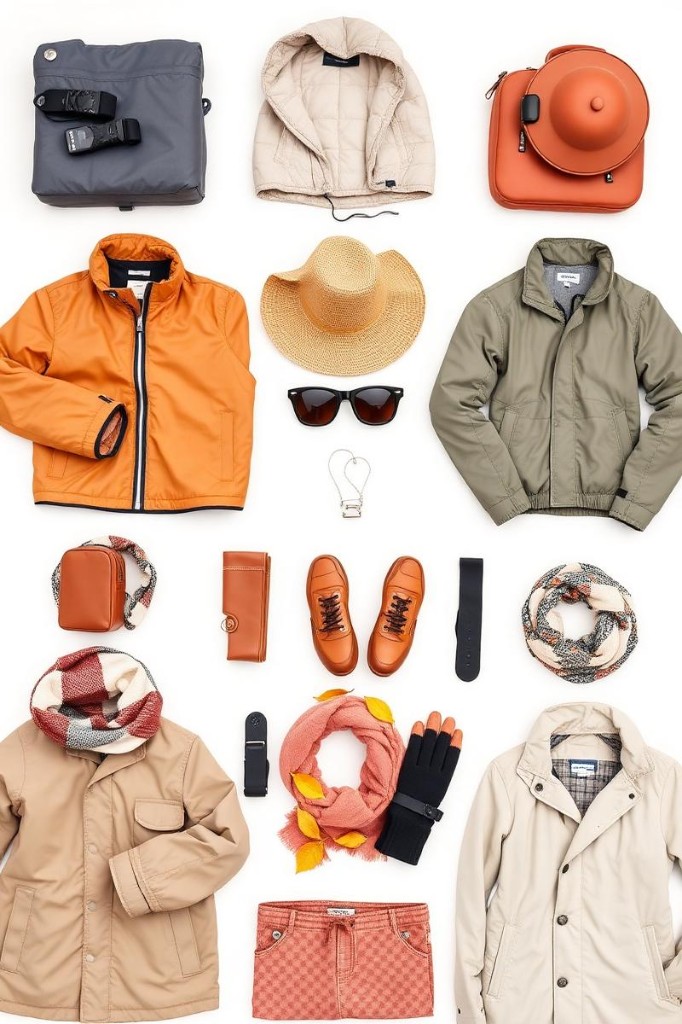
Travel clothing and gear by season

💰 Seasonal budget

PeriodAccommodation (€)Transport (€)Activities (€)Crowds (/5)Budget Tips
May-July80-200150-30050-1504/5Book 3 months in advance
Aug-Oct100-250200-40060-1805/5Avoid August, peak season
Nov-Jan50-120100-20030-1002/5Negotiate on-site
Feb-Apr40-10080-15025-801/5Last-minute deals

💡 Money-saving tips

  • Avoid August-September: Peak attendance and maximum rates, book well in advance
  • Enjoy May-June: Excellent quality-price compromise with optimal weather conditions
  • Low season (Dec-March): Savings up to 50% but check site accessibility
  • Group bookings: Negotiate accommodation + activity packages to reduce costs
  • Local transport: Use chapas (collective transport) for an authentic experience

🏥 Health and precautions

Essential health precautions:
  • Malaria: Preventive treatment required year-round, increased risk in rainy season
  • Vaccinations: Yellow fever recommended, hepatitis A and B, typhoid depending on visited areas
  • Sun protection: Minimum SPF 50+, gradual exposure, constant hydration
  • Rainy season: Beware of waterborne diseases, bottled water, wound disinfection
  • Altitude (plateaus): Gradual adaptation, protection against cold nights
  • Marine activities: First aid kit, protection against corals and jellyfish

Mozambican Events & Festivals

Cultural calendar and festivities not to be missed in Mozambique

The richness of Mozambican culture is expressed through traditional and modern events that punctuate the year and significantly enrich the travel experience depending on the chosen period.

🎭 Maputo Music Festival (August)

Description: The country's largest musical event bringing together local and international artists. A unique blend of marrabenta, traditional music, and contemporary influences in an exceptional festive atmosphere. The event transforms the capital into a giant musical stage.

Location: Franco-Mozambican Cultural Center and various venues in Maputo

Highlight: Discovery of the authentic Mozambican music scene, meetings with local artists

Climate Impact: Ideal dry season, pleasant temperatures for outdoor concerts

🏖️ Pemba Dhow Festival (September)

Description: Celebration of Swahili maritime heritage with traditional dhow races, local crafts, and northern coast gastronomy. A unique event showcasing coastal culture and ancestral navigation traditions in a paradisiacal setting.

Location: Pemba Bay and the Quirimbas Archipelago

Highlight: Immersion in Swahili culture, sailing on authentic dhows

Climate Impact: Favorable winds of the dry season, calm sea perfect for regattas

🎨 Nampula Craft Fair (June)

Description: Gathering of artisans from the north of the country presenting Makonde sculptures, traditional weaving, and local gold jewelry. An authentic event allowing you to discover traditional Mozambican art and meet creators directly in a friendly atmosphere.

Location: Nampula city center and surrounding villages

Highlight: Direct purchase from artisans, demonstrations of ancestral techniques

Climate Impact: Start of the dry season, perfect conditions for browsing outdoor stalls

Seasonal events

Dry season (May-October):

  • Independence Day (June 25) - national celebrations
  • Peace Festival (October 4) - historical commemorations
  • Big game fishing tournaments (July-September) - northern coast

Rainy season (Nov-April):

  • New Year (January) - beach festivities
  • Maputo Carnival (February-March) - colorful parades
  • Harvest festivals (March-April) - rural celebrations

Responsible Travel in Mozambique

Traveling in Mozambique responsibly means respecting fragile ecosystems, supporting local communities, and adapting your behavior to the country's climatic specificities to minimize your environmental impact.

Mozambique is home to exceptional marine ecosystems and terrestrial biodiversity in reconstruction. Respecting marine breeding periods, avoiding overcrowding of coral reefs, and choosing certified operators contributes to the preservation of this unique natural heritage.

🌱 Low-season advantages

Traveling in the low season (November-April) reduces tourist pressure on fragile sites, supports the local economy during off-peak periods, and lowers your carbon footprint thanks to more attractive airfares.

♻️ Sustainable travel tips

  • Water management: Save this precious resource, use biodegradable soaps
  • Plastic waste: Bring a reusable bottle and bags, respect marine fragility
  • Local transport: Favor chapas and local guides for direct economic impact
  • Wildlife respect: Safety distances with marine animals, no feeding
  • Responsible purchases: Authentic local crafts, avoid products from protected species

🏙️ Local sustainable initiatives

Mozambique is developing community marine conservation projects, notably in the Quirimbas, mangrove reforestation programs, and solar energy initiatives in eco-responsible lodges to protect its exceptional natural heritage.

Our Expert Recommendations

Expert recommendations for your trip to Mozambique

After analyzing climatic data and our field experience, we offer personalized recommendations based on your traveler profile. These tips incorporate weather variations, budget constraints, and regional specificities to optimize your Mozambican experience according to your specific expectations.

🏆 Optimal Period: May to September

Recommended months: May, June, July, August, September

Advantages:
  • Ideal weather conditions with clear skies
  • Pleasant temperatures (20-28°C / 68-82°F) and low humidity
  • Excellent visibility for diving and snorkeling
  • Accessible roads in all regions
  • Concentrated wildlife, optimal safaris
Disadvantages:
  • High prices during peak tourist season
  • Bookings essential well in advance

Ideal profile: Travelers seeking comfort and optimal conditions, families, diving enthusiasts

⚖️ Balanced Alternative: April and October

Alternative months: April (end of rainy season), October (beginning of hot season)

Description: Transition periods offering an excellent quality-price compromise with weather conditions still favorable but more accessible prices and fewer crowds.

Specific advantages:
  • Attractive intermediate rates
  • Landscapes still green in April
  • Pleasant temperatures in October
  • Less crowded sites

👥 Tips for your travel style

👨‍👩‍👧‍👦 Family: May-September mandatory for safety and comfort, favor the more temperate southern coast

💰 Budget: November-March for maximum savings, accept weather constraints, negotiate on-site

🏃‍♂️ Adventure: April-May for green landscapes and still passable conditions, avoid peak tourist season

🏖️ Luxury: June-August for perfect conditions, book 6 months in advance, high-end lodges

📸 Photographer: April for lush vegetation, September for golden light and active wildlife

⚠️ Periods to Avoid: January to March

Cyclonic season with high weather risks, high humidity, impassable roads, and reduced underwater visibility. Reserved for experienced travelers accepting climatic constraints.

Cities to explore

Discover the must-sees of urban travel

All cities

Frequently Asked Questions

Here are the essential questions travelers ask when planning their stay in Mozambique according to the climatic conditions and specificities of this unique African destination.

When is the best time to see whale sharks in Mozambique?

The optimal season for whale shark sightings is from June to November, peaking between August and October. During this period, waters are clearer, diving conditions are excellent, and these ocean giants congregate near the coast to feed on plankton. The Inhambane region and the Bazaruto Archipelago offer the best viewing opportunities.

Can you travel to Mozambique during the rainy season?

Yes, but with important precautions. The rainy season (November-April) offers attractive rates and lush landscapes, but implies difficult road conditions, high humidity, and a risk of cyclones between January and March. This period is suitable for experienced travelers seeking authenticity and accepting logistical constraints.

When should I go to avoid the tourist crowds?

To avoid crowds, favor May-June and October-November. These transition periods offer excellent weather conditions with fewer tourists than the high season (July-September). Avoid August, which corresponds to the peak of European attendance with maximum prices and saturated accommodations.

Does the climate vary much between the north and south of the country?

Yes, climatic variations are significant. The south (Maputo-Inhambane) enjoys a more temperate and stable subtropical climate. The north (Pemba-Quirimbas) experiences a hotter and more humid equatorial climate with higher rainfall. The central plateaus offer cooler temperatures due to altitude.

Should I bring warm clothes for a trip to Mozambique?

Yes, especially in the dry season (May-October) when nights can be cool, particularly in highland regions and on the southern coast. Bring a light jacket or sweater for evenings and mornings. In the rainy season, temperatures remain high but a quality raincoat is essential.