When to visit Inhambane? City-Trip Guide

Between the Indian Ocean and Swahili traditions, Inhambane reveals its charms according to the tropical seasons.

  • 0.08 M population
  • Portuguese, Inhambane language
  • 85 days rainy days/year
  • from May to September best time to visit
  • 3 to 5 days recommended stay

Inhambane's Tropical Climate

Understanding Inhambane's coastal tropical climate

Inhambane enjoys a humid tropical climate influenced by the Indian Ocean. The proximity to the sea moderates temperatures, while monsoons dictate two distinct seasons: dry and wet.

  • Coastal Zone: Temperatures moderated by sea breezes, constant high humidity
  • Historic Center: Urban microclimate slightly warmer, natural protection from winds
  • Inhambane Bay: The most ventilated and refreshing area, ideal for water activities
MonthMin Temp (°C / °F)Max Temp (°C / °F)Precipitation (mm)Sunshine (h/day)Tourist TrafficRecommended Activities
January24°C / 75°F30°C / 86°F1806⭐⭐⭐Diving, covered markets
February24°C / 75°F30°C / 86°F1606⭐⭐⭐Cultural discovery
March23°C / 73°F30°C / 86°F1407⭐⭐Colonial architecture
April21°C / 70°F28°C / 82°F808⭐⭐Dhow boat trips
May18°C / 64°F26°C / 79°F408⭐⭐⭐⭐Urban exploration
June16°C / 61°F24°C / 75°F208⭐⭐⭐⭐⭐Photography, beaches
July15°C / 59°F24°C / 75°F158⭐⭐⭐⭐⭐Water activities
August16°C / 61°F25°C / 77°F208⭐⭐⭐⭐⭐Whale watching
September18°C / 64°F26°C / 79°F307⭐⭐⭐⭐Local festivals
October20°C / 68°F27°C / 81°F607⭐⭐⭐Snorkeling
November22°C / 72°F28°C / 82°F1006⭐⭐Museums, crafts
December23°C / 73°F29°C / 84°F1506⭐⭐⭐Traditional markets

Located at sea level, Inhambane has little variation in altitude. Sea breezes naturally regulate temperatures, creating a pleasant urban microclimate with limited thermal differences between day and night.

The Seasons

Attractions by Climate

Optimize your discovery of Inhambane by adapting your visits to weather conditions to fully enjoy this pearl of the Indian Ocean.

☔ During cloudy/rainy weather

Protected and covered sites

Tropical showers won't spoil your discovery thanks to Inhambane's many covered spaces.

Recommended Sites:
🏛️ Inhambane Museum - 2h - Free - Swahili history
⛪ Nossa Senhora da Conceição Cathedral - 1h - Free - Colonial architecture
🏪 Covered Central Market - 1-2h - Free - Local crafts
🎨 Local art galleries - 1h - 50-100 MZN - Contemporary art
📚 Municipal Library - Historic architecture
🍽️ Covered traditional restaurants - Local cuisine

Practical Tip: Use rain breaks to explore historic alleys
Extra Tip: Combine cultural visits with local cashew tasting
☀️ During good weather

Outdoor heritage and water activities

Inhambane's sun reveals all the architectural beauty and treasures of the Indian Ocean.

Must-see Sites:
🏛️ São Sebastião Fortress - 2h - 100 MZN - Panoramic view
⛵ Traditional dhow trips - 3-4h - 800-1200 MZN
🏖️ Praia do Tofo (excursion) - Full day - Whale shark diving
🚶 Colonial architecture circuit - 2-3h - Free - Historic center
📸 Inhambane Bay sunset - Free - 5:30 PM - 6:30 PM
🐋 Whale watching (June-October) - Half-day - 1500 MZN

Best Time: Sunrise (6 AM) and golden hour (5 PM - 6 PM) for photography
Seasonal Tip: Avoid 11 AM - 3 PM in the hot season, prefer May-September

🌤️ Versatile for all weather

Adaptable sites

These places offer total flexibility in the face of tropical weather changes.

Versatile Sites:
🏨 Inhambane Historic Hotel - Terrace bar + covered areas
🍴 Restaurants with sheltered terraces - Bay view + shelter
🛍️ Craft shops - Covered galleries + outdoor courtyards

Weather Trick: Start outside, retreat indoors if necessary

Typical Itinerary: Morning outside (coolness) → Covered lunch break → Afternoon adaptable to sky

💰 Free or economical

Discovery without cost

Free Sites:
🚶 Waterfront walk - Architecture + panoramas
🏛️ Exterior tour of historic monuments
🌅 Sunset viewpoints - Inhambane Bay
📸 Colonial alley photo circuit - UNESCO heritage
🏖️ Urban beaches - Free access

Budget Tips: Local markets for authentic souvenirs, popular restaurants in residential neighborhoods, local chapa (minibus) transport

Practical Guide

Prepare for your stay in Inhambane with our tips adapted to the tropical climate and the specifics of this authentic Mozambican coastal destination.

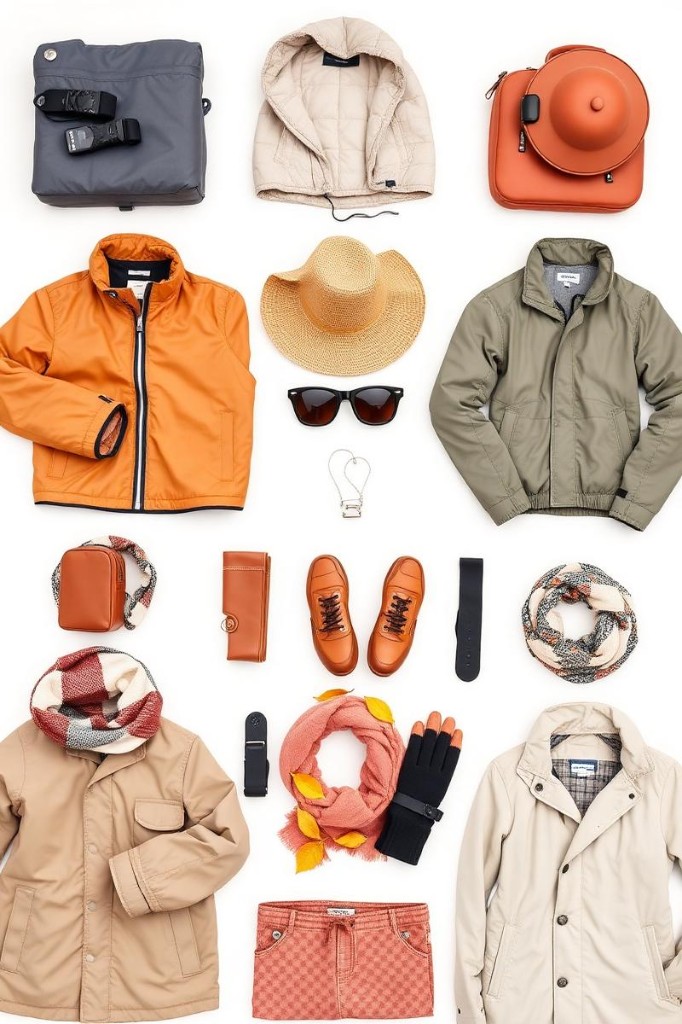
👕 Seasonal packing

Dry Season (May-September): • Lightweight cotton clothing • Light jacket for cool evenings • Comfortable closed-toe walking shoes • Hat and sunglasses • High-SPF sunscreen

Wet Season (October-April): • Breathable, quick-drying clothing • Light raincoat or poncho • Non-slip waterproof shoes • Compact umbrella • Waterproof bag for electronic devices
Travel clothing and gear by season

💰 Seasonal budget

PeriodAccommodation (€/night)Transport (€/day)Restaurants (€/day)Attractions (€)Traffic
May-September40-808-1515-2520-40⭐⭐⭐⭐⭐
October-December25-506-1212-2015-30⭐⭐
January-March30-607-1313-2218-35⭐⭐⭐
April20-455-1010-1812-25⭐⭐

💡 Money-saving tips

• Negotiate dhow excursions directly with local fishermen • Favor local restaurants in residential neighborhoods over the waterfront • Stay with locals for an authentic experience • Use chapa (minibus) transport for economy • Buy crafts directly from market producers

🏥 Health and precautions

• Mosquito protection mandatory (endemic malaria) • Increased hydration for humid tropical climate • SPF 50+ sunscreen due to ocean reflection • Basic first aid kit • Sufficient supply of personal medications • Travel insurance including medical evacuation

Cultural Events

Calendar of traditional festivities in Inhambane

Local celebrations punctuate life in Inhambane, blending Swahili traditions, Arab influences, and colonial heritage in a unique atmosphere.

Dhow Festival (August)

Celebration of maritime traditions with traditional dhow regattas in Inhambane Bay. Features craft demonstrations, traditional music, and local gastronomy.

Location: Waterfront and Inhambane Bay
Specialty: Unique maritime festival in Mozambique
Climate Impact: Ideal dry season, doubled attendance, reservations essential
Access: Reinforced local transport, special shuttles from the city center
Anticipation: Book accommodation 2 months in advance
Feast of Nossa Senhora da Conceição (December 8)

A major religious pilgrimage blending Catholicism and local traditions. Colorful processions, open-air masses, and popular festivities transform the city.

Location: Cathedral and streets of the historic center
Specialty: Unique religious syncretism
Climate Impact: Start of the wet season, showers possible, fervent atmosphere
Access: City center temporarily pedestrianized
Anticipation: Bring rain gear and maintain schedule flexibility
Traditional Fish Market (daily morning)

An authentic daily ritual where fishermen land their nightly catch. Colorful atmosphere, lively negotiations, and discovery of local marine gastronomy.

Location: Fishing port, waterfront
Specialty: Century-old unchanged tradition
Climate Impact: Seasonal schedule adjustments (5:30 AM - 7:30 AM)
Access: 10-minute walk from center, tuk-tuks available
Anticipation: Early rising essential, protect your camera

Seasonal events

Dry Season: • Dhow Festival (August) • Traditional regattas (June-September) • Open-air concerts (July) • Expanded craft markets

Wet Season: • Religious festivals (December-January) • Indoor gastronomic festivals (February) • Local art exhibitions (November-March) • Swahili New Year celebrations

Responsible Tourism

Inhambane, a fragile heritage between ocean and traditions, deserves a respectful approach that preserves its authenticity and supports the local economy.

Prioritize community initiatives: trained local guides, family restaurants, direct-from-producer crafts. Respect religious sites, fishing traditions, and local pace of life. Avoid single-use plastic, which is omnipresent in the Indian Ocean.

🌱 Low-season advantages

Visiting in the wet season reduces tourist pressure, allows for authentic encounters with locals, supports the local economy during the off-season, and preserves fragile marine ecosystems.

♻️ Sustainable travel tips

• Stay with locals or in certified eco-lodges • Choose local restaurants over tourist establishments • Use community guides trained by local NGOs • Use collective chapa transport over private taxis • Buy directly from producer markets • Respect prayer times and traditions

🏙️ Local sustainable initiatives

Community ecotourism projects: training local guides, preserving traditional dhows, protecting sea turtles, plastic waste recycling, organic urban gardens, and fair trade craft cooperatives supported by international NGOs.

Our Recommendations

Expert advice for your stay in Inhambane

After an in-depth analysis of climatic data, tourist traffic, and cultural events, here are our personalized recommendations to optimize your discovery of Inhambane according to your preferences and budget.

Optimal Period: May to September

Advantages:
• Dry climate ideal for all activities
• Perfect visibility for diving and whale watching
• Optimal conditions for dhow trips
• Pleasant temperatures for urban exploration
• Clear skies for architectural photography

Key Events: Dhow Festival (August), whale watching season
Disadvantages: High prices, maximum traffic in July-August
Ideal Profile: Water activity enthusiasts, photographers, first-time visitors
Stay Duration: 4-5 days optimal
Interesting Alternative: April and October

Climatic transition periods offering an excellent compromise between favorable weather conditions and moderate crowds.

Specific Advantages:
• Attractive prices for accommodation and activities
• Fewer tourists, more authentic experience
• Conditions still favorable for outdoor activities
• Start/end of marine observation seasons

For Whom: Flexible travelers, tight budgets, those seeking authenticity

👥 Tips for your travel style

Family: May-June, Flamingo Bay accommodation, safe beaches, gentle activities
Budget: April/October, local guesthouses, chapa transport, local markets
Culture: All year, community guides, museums, traditional festivals
Romantic: June-August, dhow sunset, waterfront restaurants, boutique accommodation
Weekend: 3 days May-September, Maputo flight, concentrated essentials
First Trip: July-August, English-speaking guides, comfortable accommodation, organized excursions

Delicate Periods: January to March

Reasons:
• Risk of cyclones and heavy rain
• Uncomfortable extreme humidity
• Reduced visibility for water activities
• Difficult access to some sites

Nuances: Acceptable for experienced tropical travelers, very tight budgets, wet-season photography enthusiasts

Villes du même pays

All cities

Frequently Asked Questions

Answers to essential questions to help you plan your discovery of Inhambane according to optimal climatic conditions.

What is the best month to visit Inhambane?

June to August represents the optimal period, combining a dry climate, pleasant temperatures (15-26°C / 59-79°F), and perfect conditions for water activities. July offers the best balance of weather and cultural events, despite maximum tourist traffic. To avoid crowds, choose May or September when conditions are still excellent.

How many days should I plan for Inhambane?

4 to 5 days allow for a complete discovery: 2 days for the historic center and heritage, 1 day for a Tofo excursion/diving, 1 day for dhow sailing and whale watching, and 1 day for relaxation/local shopping. A 3-day weekend is possible by focusing on the essentials. A 7-day stay is ideal for a relaxed pace and excursions to the Bazaruto Archipelago.

What to do in Inhambane if it rains?

Tropical showers do not stop exploration: Inhambane Museum (Swahili history), colonial cathedral, covered central market, local art galleries, and traditional restaurants. Use the rain breaks to explore historic alleys. Rains are generally short (1-2 hours), allowing outdoor activities to resume quickly.

Which events should not be missed in Inhambane?

The Dhow Festival (August) is the major event with traditional regattas and maritime festivities. The daily fish market (6 AM - 8 AM) offers an unmissable authentic spectacle. The Feast of Nossa Senhora da Conceição (December 8) blends local religious traditions. Improvised waterfront concerts during the dry season create a unique atmosphere.

What budget should I plan according to the season?

Dry season (May-September): €80-€120/day all-inclusive, accommodation €40-€80/night. Wet season: €50-€80/day, accommodation €25-€50/night. Water activities €30-€50, local meals €8-€15, transport €5-€12/day. Minimum budget €40/day in low season, €60/day in high season for decent comfort.