When to visit Lake Malawi? Complete Guide

Explore the crystal-clear waters of the lake of a thousand colors according to the perfect tropical seasons.

  • 19.6 M population
  • English, Chichewa language
  • 120 days rainy days/year
  • May to October best time to visit
  • 7 to 14 days recommended stay

Climate and weather of Lake Malawi

Understanding the subtropical climate of Lake Malawi

Lake Malawi enjoys a subtropical climate influenced by its altitude (500m / 1,640ft) and the massive body of water. This configuration creates a milder microclimate compared to the inland areas, with moderate temperatures and humidity regulated by lake evaporation.

  • Lakeside zone: Climate moderated by the water's regulatory effect, with more stable temperatures.
  • Surrounding highlands: Cooler temperatures at higher altitudes and higher precipitation.
MonthMin Temp (°C / °F)Max Temp (°C / °F)Precipitation (mm)Sunshine (h/day)Tourist TrafficRecommended Activities
January20°C / 68°F28°C / 82°F2306⭐⭐Bird watching, fishing
February20°C / 68°F28°C / 82°F1906⭐⭐Diving, snorkeling
March19°C / 66°F28°C / 82°F1807⭐⭐⭐Kayaking, sailing
April17°C / 63°F27°C / 81°F608⭐⭐⭐Hiking, beach
May14°C / 57°F26°C / 79°F109⭐⭐⭐⭐Diving, aquatic safari
June12°C / 54°F24°C / 75°F59⭐⭐⭐⭐⭐Fish watching, relaxation
July12°C / 54°F24°C / 75°F59⭐⭐⭐⭐⭐Diving, island exploration
August14°C / 57°F26°C / 79°F59⭐⭐⭐⭐⭐Sport fishing, sailing
September17°C / 63°F29°C / 84°F58⭐⭐⭐⭐Kayaking, hiking
October19°C / 66°F31°C / 88°F158⭐⭐⭐Beach, water sports
November20°C / 68°F30°C / 86°F857⭐⭐Nature observation
December20°C / 68°F28°C / 82°F2006⭐⭐Fishing, relaxation

The lake's altitude (500m / 1,640ft) and the surrounding mountains (up to 3,000m / 9,843ft) create significant climatic variations. The lake shores enjoy milder temperatures, while the plateaus experience cooler nights.

The seasons

Activities by weather

Optimize your stay at Lake Malawi by adapting your activities to weather conditions for an unforgettable experience.

🌧️ In wet/cloudy weather

Protected and alternative activities

Take advantage of wet days to discover the lake's rich cultural and natural alternatives.

Recommended sites:
🏛️ Lake Malawi Museum (Mangochi) - 2h - Entry $5 - All year
🏘️ Traditional fishing villages - Half-day - Free - Authentic experience
🎣 Fishing from covered shelters - 3-4h - $20/day - Guide included
🍽️ Malawian cooking classes - 2h - $15 - Homestay
🛍️ Covered craft markets - 1-2h - Variable - Local souvenirs

Practical tip: Book cultural activities in advance during the wet season.

Additional tip: Combine village visits and local fish tasting for a complete experience.
☀️ In sunny weather

Optimal water activities

Fully exploit the ideal conditions for water activities and underwater discovery.

Recommended sites:
🤿 Nkhata Bay diving sites - Full day - $45/dive - May to October
🏝️ Likoma and Chizumulu Islands - 2-3 days - Ferry $10 - Full exploration
🚣 Kayaking in protected bays - 2-4h - $25/day - Optional guide
⛵ Traditional sailing (dhow) - Half-day - $35 - Sunset
🏖️ Cape Maclear beaches - Day - Free - UNESCO heritage

Best time: Early morning (6am-9am) and late afternoon (4pm-6pm) to avoid the heat.

Season tip: June to August offer optimal conditions with exceptional visibility.

🌤️ All-weather versatile

Adaptable sites

Flexible activities that adapt to the lake's daily weather variations.

Recommended sites:
🌿 Lake Malawi National Park - Day - $10 - Beach and trails
🐘 Liwonde Reserve (nearby) - 2 days - $50/day - Land safari
🏔️ Nyika Plateau - 3-4 days - $30/day - Hiking and observation

Weather tip: Start with outdoor activities in the morning, retreat to covered sites in the afternoon if necessary.

Itinerary example: Morning diving/kayaking, afternoon village visit or rest depending on conditions.

💰 Budget activities

Affordable experiences

Free/budget sites:
🏖️ Senga Bay public beaches - Free - Swimming and relaxation
🎣 Shore fishing - Free - Local equipment
🚶 Coastal hiking trails - Free - Exceptional panoramas

Special days: Fish markets in the morning (5am-8am) for an authentic atmosphere.

Budget tips: Local transport negotiation, homestay meals, camping allowed on certain beaches.

Practical Guide

Prepare your stay at Lake Malawi effectively with our recommendations tailored to the climatic specifics and water activities of this unique destination.

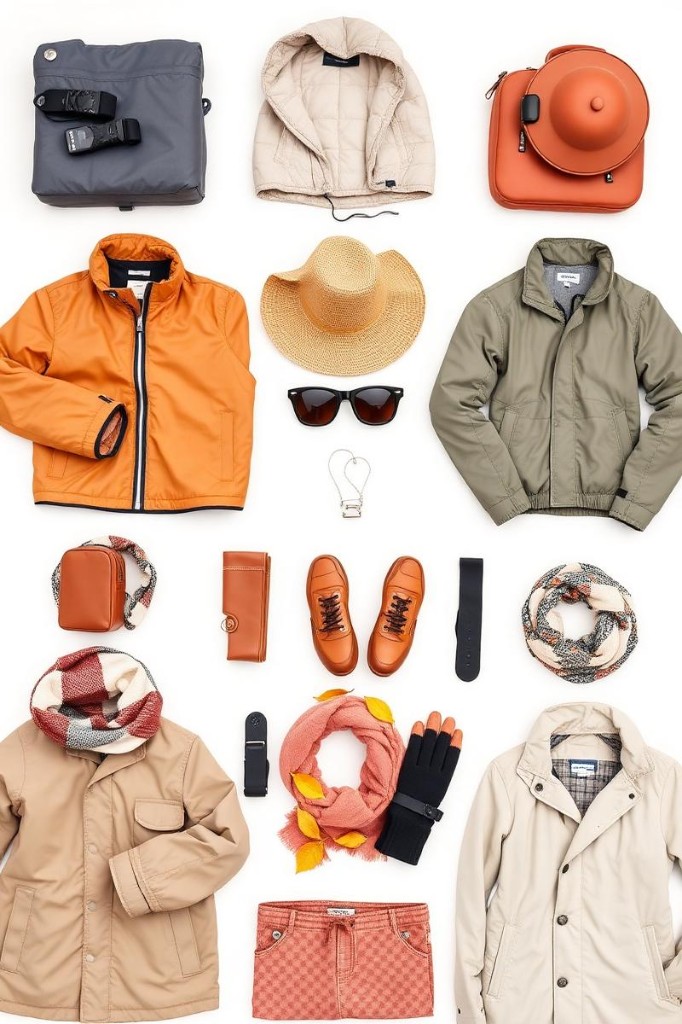
👕 Seasonal packing

Dry season (May-October): • Swimwear and light clothing • Fleece or jacket for cool evenings • Water shoes for rocky areas • Hat and sunglasses • High-protection sunscreen

Wet season (November-April): • Waterproof and quick-drying clothing • Non-slip sandals • Dry bag for equipment • Mosquito repellent • Long clothing for insect protection
Travel clothing and gear by season

💰 Seasonal budget

PeriodAccommodation ($/night)Transport ($/day)Meals ($/day)Activities ($/day)Traffic
Dry season (June-Aug)40-12015-2515-3030-60⭐⭐⭐⭐⭐
Shoulder season (Apr-May, Sep-Oct)30-8012-2012-2525-50⭐⭐⭐
Wet season (Nov-Mar)20-6010-1510-2020-40⭐⭐

💡 Money-saving tips

• Negotiate multi-day diving packages • Prioritize local guesthouses over resorts • Share transport with other travelers • Buy fish directly from fishermen • Avoid July-August for the best rates

🏥 Health and precautions

Malaria: Prophylaxis mandatory, mosquito nets used systematically • Water: Consume only bottled or purified water • Sun: Enhanced protection due to water reflection • Bilharzia: Avoid swimming in stagnant areas • Kit: Antiseptic for coral cuts, anti-diarrheal • Vaccines: Hepatitis A/B, typhoid fever recommended

Events and festivals

Calendar of must-see events at Lake Malawi

Traditional festivals and seasonal events punctuate life around the lake, offering an authentic immersion into Malawian culture.

🎣 Lake Malawi Fishing Festival (August)

A major celebration of fishing traditions featuring traditional fishing competitions, Gule Wamkulu dances, and tastings of local lake specialties. The event brings together fishing communities from around the lake.

Location: Nkhata Bay and coastal villages

Highlights: Demonstrations of ancestral fishing techniques and traditional canoe building

Climate impact: Ideal dry season, peak attendance, accommodation booking 2 months in advance is essential

Transport access: Special shuttles from Lilongwe, reinforced ferry service between sites

Planning tip: Book accommodation by April; participate in preparatory cultural workshops

🌊 Chambo Festival (October)

A gastronomic festival celebrating the lake's iconic fish, featuring culinary contests, giant fish markets, and aquatic shows. A family-friendly event blending tradition and modernity.

Location: Cape Maclear and Monkey Bay

Highlights: Largest Chambo contest and cooking workshops with renowned local chefs

Climate impact: End of dry season, warm temperatures, ideal for water activities

Transport access: Special buses from Blantyre, organized parking

Planning tip: Register early for cooking workshops; book participating restaurants

🎭 Chewa Cultural Festival (July)

An immersion into Chewa culture with traditional masked dances, ancestral storytelling, and local crafts. An authentic event preserving centuries-old traditions.

Location: Salima and surrounding villages

Highlights: Initiation into Nyau dances and traditional mask making

Climate impact: Optimal dry season, cool nights requiring warm clothing

Transport access: Shared minibuses from the capital; homestays available

Planning tip: Basic Chichewa learning recommended; respect cultural protocols

Seasonal events

Dry season (May-October): • Fishing festivals (August-September) • Traditional sailing competitions (July) • Enhanced craft markets (June-August)

Wet season (November-April): • Traditional rain ceremonies (November) • Harvest festivals (March-April) • Guided bird watching (January-February)

Public holidays: Independence Day (July 6), Kamuzu Day (May 14) with tourist service closures

Responsible tourism

Preserve the unique ecosystem of Lake Malawi by adopting responsible travel practices that respect local communities and the lake environment.

Lake Malawi, a UNESCO biosphere reserve, requires a respectful tourism approach. Prioritize certified operators for diving, support local crafts rather than imports, respect fish breeding zones, and minimize your impact on fragile shore ecosystems.

🌱 Low-season advantages

Visiting during the wet season reduces tourist pressure on sensitive sites, allows for fairer rates for local communities, and offers a more authentic experience of traditional Malawian life.

♻️ Sustainable travel tips

• Use biodegradable sunscreens to protect the aquatic ecosystem • Choose certified local guides rather than foreign tour operators • Buy directly from fishermen and artisans without intermediaries • Respect fish observation distances (2m / 7ft minimum) • Prefer eco-certified accommodations with waste management • Participate in local marine conservation programs

🏙️ Local sustainable initiatives

The lake benefits from community conservation programs: marine protected areas managed by villages, sustainable fish farming projects, shore reforestation initiatives against erosion, and redistributive ecotourism initiatives for fishing communities.

Our recommendations

Recommendations for your stay at Lake Malawi

Based on the analysis of optimal weather conditions, tourist traffic, and the specifics of lake activities, our recommendations guide you to the ideal period according to your priorities: exceptional diving, controlled budget, authentic cultural experience, or unique bird-watching.

🌟 Optimal period: May to September

Recommended months: May, June, July, August, September

Advantages:
• Exceptional underwater visibility (15-20m / 49-66ft)
• Ideal conditions for all water sports
• Pleasant temperatures day and night
• Clear skies perfect for photography
• Easy access to all sites

Key events: Fishing Festival (August), Chewa Cultural Festival (July), optimal season for cichlid fish observation

Disadvantages: High tourist traffic, high accommodation rates

Ideal profile: Divers, underwater photographers, water sports enthusiasts

Stay duration: 10 to 14 days recommended

⚖️ Interesting alternative: March-April and October

Alternative months: March, April, October

Description: Transition periods offering an excellent compromise between favorable weather conditions and moderate traffic, with more accessible rates.

Specific advantages: Fewer tourists, accommodation prices reduced by 30%, lush vegetation, pleasant water temperature

For whom: Budget travelers, families, landscape photography enthusiasts, in-depth cultural discovery

👥 Tips for your travel style

Family: May-June or September, Senga Bay accommodation, kayak/beach activities, organized transport

Budget: March-April or October-November, local guesthouses, camping allowed, local transport

Diving: June-August, Nkhata Bay, PADI certified centers, stay packages

Culture: July-August, traditional villages, local guides, authentic festivals

Bird watching: November-February despite rain, peripheral reserves, specialized guides

First trip: May or September, UNESCO Cape Maclear sites, established tour operators

⚠️ Periods to avoid: December-February

Months not recommended: December, January, February

Reasons: Intense rainfall limiting water activities, reduced underwater visibility, difficult access roads, increased malaria risk

Nuances: Exceptional period for passionate bird watchers and tropical landscape photographers

Villes du même pays

All cities

Frequently Asked Questions

Answers to essential questions to help you plan your discovery of Lake Malawi according to optimal weather conditions.

What is the best month to visit Lake Malawi?

June to August are the optimal months with exceptional underwater visibility, stable weather, and clear skies. May and September are excellent alternatives with fewer crowds. This dry period guarantees access to all diving sites and allows you to fully enjoy water activities in optimal safety conditions.

How many days should I plan for Lake Malawi?

Plan for a minimum of 7 days to discover the essentials: Cape Maclear, Nkhata Bay, and an island. For a complete exploration including diving, local culture, and relaxation, 10 to 14 days are ideal. Diving or bird-watching enthusiasts may consider 3 weeks to explore the entire lake and its unique ecosystems.

What to do at Lake Malawi when it rains?

The wet season offers enriching alternatives: visiting the Lake Malawi Museum, immersing yourself in fishing villages, taking Malawian cooking classes, exceptional migratory bird watching, and discovering local crafts. Lodges often offer indoor cultural activities and marine conservation workshops.

What events should not be missed at Lake Malawi?

The Fishing Festival in August is the major event with traditional demonstrations and community festivities. The Chewa Cultural Festival in July offers an authentic immersion, while the Chambo Festival in October celebrates local gastronomy. Each event requires early accommodation booking.

What budget should I plan for based on the season?

Expect $80-$150/day in the dry season (June-August) all-inclusive, $60-$100/day in the shoulder season (April-May, September-October), and $40-$80/day in the wet season. Diving activities add $30-$50/day. Negotiate stay packages and prioritize local guesthouses to optimize your budget.