When to visit Zomba? City-Trip Guide

The former capital of Malawi, nestled at the foot of the Zomba Plateau, this university city offers a tropical climate that contrasts by season.

  • 0.1 M population
  • Chichewa, English language
  • 120 days rainy days/year
  • May to September best time to visit
  • 3 to 5 days recommended stay

Climate and weather in Zomba

Understanding Zomba's tropical highland climate

Zomba enjoys a tropical highland climate tempered by its elevation of 915 meters (3,002 feet). Its position at the foot of the Zomba Plateau influences rainfall and creates a microclimate that is cooler than the surrounding plains, making it ideal for urban exploration.

The city features two distinct climatic zones: the city center in the plains enjoys moderate temperatures, while the heights of the plateau offer a cooler and more humid climate.

MonthMin Temp (°C / °F)Max Temp (°C / °F)Precipitation (mm / in)Sunshine (h/day)Tourist TrafficRecommended Activities
January18°C / 64°F26°C / 79°F280mm / 11in5⭐⭐Museums, covered markets
February18°C / 64°F26°C / 79°F230mm / 9in6⭐⭐Cultural visits
March17°C / 63°F27°C / 81°F180mm / 7in7⭐⭐⭐Plateau hiking
April15°C / 59°F27°C / 81°F60mm / 2.4in8⭐⭐⭐⭐Urban exploration
May12°C / 54°F26°C / 79°F15mm / 0.6in9⭐⭐⭐⭐⭐All activities
June10°C / 50°F24°C / 75°F5mm / 0.2in9⭐⭐⭐⭐⭐Trekking, sightseeing
July10°C / 50°F24°C / 75°F5mm / 0.2in9⭐⭐⭐⭐⭐Outdoor activities
August12°C / 54°F26°C / 79°F10mm / 0.4in9⭐⭐⭐⭐⭐Hiking, culture
September15°C / 59°F29°C / 84°F15mm / 0.6in8⭐⭐⭐⭐Urban discovery
October17°C / 63°F31°C / 88°F40mm / 1.6in8⭐⭐⭐Morning visits
November18°C / 64°F29°C / 84°F120mm / 4.7in6⭐⭐Museums, cultural centers
December18°C / 64°F27°C / 81°F220mm / 8.7in5⭐⭐Indoor activities

Zomba's altitude (915m / 3,002ft) tempers tropical temperatures, creating a more pleasant climate with variations of 5-8°C (9-14°F) compared to the coastal regions of Malawi.

The Seasons

Attractions by Weather

Zomba offers diverse attractions adapted to every climatic condition, allowing you to optimize your stay regardless of the weather.

☔ In overcast/rainy weather

Indoor & Sheltered

Rainy days reveal Zomba's cultural heritage in its covered and historic spaces.

Recommended Sites:
🏛️ Zomba National Museum (2h, $5, all year)
📚 University of Malawi Library (1h, free)
🏛️ Old Colonial Parliament (1.5h, $3)
🎨 Local Craft Center (1h, free)
☕ Historic university cafes (flexible)
🏪 Traditional covered markets (2h, free)

Practical Tip: Booking recommended for the museum during tourist season

Extra Tip: Walk through the historic center under the colonial arcades
☀️ In good weather

Optimal Outdoor

The dry climate reveals the exceptional natural beauty of Zomba and its mountain panoramas.

Recommended Sites:
🏔️ Zomba Plateau and its viewpoints (full day)
🌺 Zomba Botanical Gardens (2h, morning recommended)
🚶 Historic city center trail (1.5h)
🏛️ Outdoor colonial architecture (2h)
📸 Viewpoints over the Shire Valley (1h)
🌳 Mulunguzi Park (1.5h)

Best Time of Day: Sunrise from the plateau (6:30 AM) and golden hour (5:30 PM)

Seasonal Tip: May to September is optimal, avoid October-November (intense heat)

🌤️ Versatile all-weather

Flexible

These sites combine indoor spaces and outdoor discoveries depending on conditions.

Recommended Sites:
🏫 University campus (indoor/outdoor modular)
🏪 Central commercial district (arcades + terraces)
⛪ Historic churches with gardens

Weather Tip: Start outdoors if it clears up, retreat into buildings if it rains

Sample Itinerary: Morning outdoor campus, covered lunch, afternoon museums if it rains or plateau if sunny

💰 Free or economical

No Cost

Free Sites:
🚶 Historic center walk
🌳 Public gardens and parks
🏛️ Outdoor colonial architecture
📚 Public libraries

Free Days: National Museum free on the first Sunday of the month

Budget Tips: Free panoramas from the hills, authentic local markets, colonial residential areas

Practical Guide

Prepare for your stay in Zomba by considering the climatic specifics of this tropical highland city and its unique university rhythm.

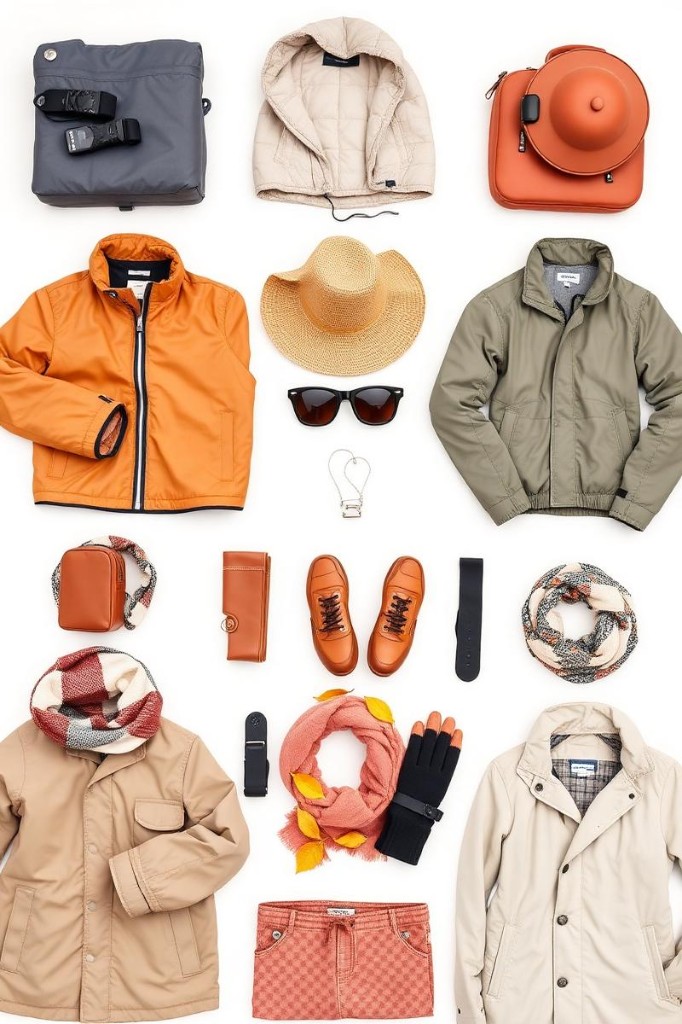
👕 Seasonal packing

Dry Season (May-October): • Hiking shoes for the plateau • Warm jacket for cool evenings • Hat and sunscreen • Waterproof backpack

Rainy Season (November-April): • Quality raincoat • Waterproof non-slip shoes • Quick-dry clothing • Compact umbrella • Plastic bag for electronics
Travel clothing and gear by season

💰 Seasonal budget

PeriodCenter Accommodation (€/night)Transport (€/day)Restaurants (€/day)Attractions (€)Traffic
May-Sept (High)25-458-1215-2510-20⭐⭐⭐⭐⭐
Oct-Nov (Medium)20-356-1012-208-15⭐⭐⭐
Dec-Apr (Low)15-255-810-155-12⭐⭐

💡 Money-saving tips

• Negotiate accommodation rates during the rainy season • Favor university restaurants for local prices • Rent a bike to save on transport • Enjoy free cultural events on campus • Shop at local markets rather than in tourist areas

🏥 Health and precautions

• Increased hydration during the dry season • Mosquito protection during the rainy season • Closed-toe shoes to prevent infections • First aid kit for plateau hikes • Main pharmacy open 24/7 at the university medical center

Cultural Events

Calendar of must-see events in Zomba

Zomba's cultural life revolves around the university calendar and local traditions, creating a unique atmosphere depending on the time of year.

🎓 University Cultural Week (May)

A major event bringing together students and the local community for performances, lectures, and contemporary Malawian art exhibitions. The festive atmosphere transforms the campus and city center with street entertainment and night craft markets.

Location: University campus and city center

Highlight: Unique fusion of tradition and student modernity

Climate Impact: Ideal dry period, maximum student attendance, accommodation booking essential

Transport Access: Special shuttles from Blantyre, reinforced local minibus services

Planning Tip: Book accommodation 2 months in advance, prices may increase by 30%

🎭 Plateau Arts Festival (August)

An artistic festival celebrating Malawian cultural traditions with traditional dances, live music, and local crafts. Performances take place outdoors, taking advantage of the dry climate to create a magical atmosphere under the stars of the Zomba Plateau.

Location: Zomba Plateau and botanical gardens

Highlight: Exceptional natural setting for performances

Climate Impact: Perfect dry season, cool nights requiring warm clothing

Transport Access: 4x4 recommended to reach the plateau, organized parking available

Planning Tip: Camping available on-site, online ticket booking mandatory

🌾 Harvest Market (March-April)

Celebrating the end of the rainy season and the first harvests, transforming the city center into a massive, colorful market. Enjoy local produce tastings, culinary demonstrations, and sales of traditional crafts in a friendly, authentic setting.

Location: Central square and adjacent streets

Highlight: Total immersion in Malawian food culture

Climate Impact: Dry season transition, showers possible, covered stalls provided

Transport Access: City center is walkable, traffic limited during the event

Planning Tip: Early arrival recommended, cash required for local purchases

Seasonal events

Dry Season: • University sports competitions (June-August) • Open-air concerts in botanical gardens (July) • Guided plateau hikes (May-September)

Rainy Season: • International academic conferences (January-February) • Indoor art exhibitions (December-March) • University film festivals (February)

Responsible Tourism

Zomba, a university city sensitive to environmental issues, encourages tourism that respects its unique mountain ecosystem and local community.

Responsible tourism in Zomba involves respecting the plateau's hiking trails, supporting local businesses rather than international chains, and participating in the historic botanical garden preservation initiatives led by the university.

🌱 Low-season advantages

Visiting Zomba in the rainy season reduces pressure on the fragile plateau trails, allows for authentic exchanges with students, and supports the local economy during the off-season.

♻️ Sustainable travel tips

• Use local public transport or walk to discover the center • Shop at local markets rather than supermarkets • Choose locally-owned accommodation • Respect the plateau's flora and fauna during hikes • Participate in trail cleanup initiatives • Consume water in reusable bottles

🏙️ Local sustainable initiatives

Zomba University leads reforestation programs for the plateau, develops educational botanical gardens, promotes student ecotourism, and raises awareness of sustainable practices through workshops open to visitors.

Our Recommendations

Recommendations for your city-trip to Zomba

After analyzing climatic data and the university dynamics of Zomba, our recommendations adapt to your priorities: natural discovery of the plateau, cultural immersion, or historical exploration of the former capital. Seasonality strongly influences site accessibility and the general atmosphere of this highland city.

🏆 Optimal Period: May to September

Advantages:
• Dry climate ideal for all activities
• Easier access to the Zomba Plateau
• Exceptional visibility of landscapes
• Perfect conditions for hiking
• Active university life and cultural events

Key Events: University Cultural Week (May), Plateau Arts Festival (August)

Disadvantages: Higher accommodation prices, advance booking necessary

Ideal Profile: Hikers, photographers, culture enthusiasts

Stay Duration: 4-5 days recommended

⚖️ Interesting Alternative: March-April

A transition period offering an excellent compromise between favorable climate and accessible prices, with the advantage of lush post-rain vegetation.

Specific Advantages: Fewer tourists, moderate prices, active plateau waterfalls, authentic harvest market

For Whom: Flexible travelers, moderate budgets, lovers of cultural authenticity

👥 Tips for your travel style

Family: May-August, campus accommodation, botanical garden activities, organized transport
Budget: March-April or November, local guesthouses, traditional markets, public transport
Culture: May (university festival) or January (conferences), historic center, museums
Nature: June-September, plateau camping, guided hikes, wildlife observation
Weekend: Any dry season, compact city center, 2-3 days sufficient
First Trip: May-July, local guides, city-center accommodation, organized tours

❌ Periods to Avoid: December-February

Reasons: Intense rain limiting plateau access, difficult roads, high humidity, partial closure of hiking trails

Nuances: Acceptable for exclusive urban cultural discovery and very tight budgets

Villes du même pays

All cities

Frequently Asked Questions

Answers to essential questions to help you plan your stay in Zomba based on climatic conditions and local specifics.

What is the best month to visit Zomba?

May to August is the optimal period, featuring a dry climate, pleasant temperatures (10-26°C / 50-79°F), and easy access to the Zomba Plateau. University life is active, cultural events are numerous, and hiking conditions are excellent. July offers the best balance of weather, crowds, and prices.

How many days should I plan for Zomba?

3 to 5 days allow for a complete discovery: 1-2 days for the historic center and university, 1-2 days for exploring the Zomba Plateau, and 1 day for immersion in local markets and botanical gardens. Hiking enthusiasts may want to extend their stay up to a week.

What to do in Zomba if it rains?

Zomba offers excellent indoor alternatives: the national museum featuring colonial history, remarkable university libraries, local craft centers, historic campus cafes, and lively covered markets. Colonial architecture can be partially explored under arcades, and cultural centers host exhibitions and shows.

What events should not be missed in Zomba?

The University Cultural Week in May is the major event with shows and exhibitions. The Plateau Arts Festival (August) offers an exceptional setting for traditional performances. The Harvest Market (March-April) provides an authentic immersion into local Malawian culture.

What budget should I plan for based on the season?

In high season (May-September): 60-90€/day all-inclusive. In shoulder season (March-April, October): 45-70€/day. In low season (November-February): 35-55€/day. Accommodation varies from 15€ (rainy season) to 45€ (tourist peak). Meals cost 10-25€/day depending on the chosen standard.