When to visit Lilongwe? City-Trip Guide

The modern capital of Malawi, Lilongwe reveals its charms according to tropical seasons and the liveliness of its neighborhoods.

  • 1.2 M population
  • English, Chichewa language
  • 95 days rainy days/year
  • May to September best time to visit
  • 3 to 5 days recommended stay

Tropical Climate of Lilongwe

Understanding the tropical savanna climate of Lilongwe

Lilongwe enjoys a tropical savanna climate with two distinct seasons. The altitude of 1,050 meters (3,445 feet) tempers urban temperatures, creating a cooler microclimate compared to the country's low-lying regions.

Central plateau zone with altitude influence moderating tropical temperatures

MonthMin Temp (°C / °F)Max Temp (°C / °F)Precipitation (mm / in)Sunshine (h/day)Tourist TrafficRecommended Activities
January18 / 6426 / 79230 / 9.14⭐⭐Museums, shopping malls
February18 / 6426 / 79190 / 7.55⭐⭐Indoor cultural visits
March17 / 6327 / 81160 / 6.36⭐⭐⭐Markets, residential areas
April15 / 5927 / 8150 / 2.07⭐⭐⭐Parks, botanical gardens
May12 / 5426 / 7910 / 0.48⭐⭐⭐⭐Full urban exploration
June9 / 4824 / 755 / 0.28⭐⭐⭐⭐⭐All outdoor sites
July9 / 4824 / 755 / 0.28⭐⭐⭐⭐⭐Urban hiking
August11 / 5227 / 815 / 0.28⭐⭐⭐⭐⭐Urban photography
September15 / 5930 / 865 / 0.28⭐⭐⭐⭐Terraces, nightlife
October18 / 6432 / 9020 / 0.87⭐⭐⭐Air-conditioned centers
November19 / 6630 / 8690 / 3.56⭐⭐Morning activities
December18 / 6427 / 81200 / 7.94⭐⭐Shopping, galleries

The capital's high altitude mitigates tropical heat and promotes cooler nights.

The Seasons

Must-sees by Weather

Optimize your stay in Lilongwe by adapting your visits to weather conditions to fully enjoy urban attractions.

☔ In cloudy/rainy weather

Indoor & Protected

Rainy days reveal the covered cultural heritage of Lilongwe, perfect for understanding Malawian history.

Recommended Sites:
🏛️ Malawi National Museum - 2h - 5$ - All year
🛍️ Lilongwe City Mall - 3h - Free - Ideal wet season
🎭 Franco-Malawian Cultural Center - 1.5h - 3$ - Permanent exhibitions
📚 National Library - 1h - Free - Remarkable architecture
🍽️ Downtown restaurants - Variable - Local gastronomy
🏪 Covered Central Market - 2h - Free - Authentic crafts
⛪ Lilongwe Cathedral - 45min - Free - Modern architecture

Practical Tip: Online booking recommended for the museum, cultural pass available

Additional Tip: Logical sequence between Old Town and City Centre via covered transport
☀️ In good weather

Optimal Outdoor

The dry climate reveals all the outdoor charms of the capital with exceptional visibility.

Recommended Sites:
🌳 Lilongwe Nature Reserve - 4h - 10$ - Urban wildlife
🏛️ Malawi Parliament - 1.5h - Guided tour - Modern architecture
🌺 Botanical Gardens - 2h - 5$ - Tropical flora
🏘️ Historic Old Town - 3h - Free - Colonial heritage
🌅 Surrounding hills - 2h - Free - Urban panoramas
🚶 Area 47 and residential areas - 2h - Free - Local life
🎯 Lilongwe Golf Course - 4h - 25$ - Sport and relaxation

Best time of day: Sunrise from the hills, golden hour in late afternoon for photography

Season Tip: May to September optimal, avoid October-November as it is too hot

🌤️ Versatile for all weather

Flexible

Adaptable sites offering indoor and outdoor options depending on conditions.

Recommended Sites:
🏨 Hotels with covered gardens - Variable - Mixed spaces
🍴 Restaurants with covered terraces - 2h - Protected gastronomy
🏪 Markets with covered sections - 2h - Local commerce

Weather Tip: Start outdoors in the morning, retreat indoors if necessary

Itinerary Example: Morning botanical gardens, lunch at a covered restaurant, afternoon museum if it rains

💰 Free or economical

No Cost

Free Sites:
🚶 Walks in Old Town - Colonial architecture
🌳 Public urban parks - Relaxation and observation
🏛️ Government building exteriors - Modern architecture

Free Days: Some museums offer free access on Sunday mornings

Budget Tips: Panoramas from hills, markets for local atmosphere, residential areas for architecture

Practical Guide

Prepare your city trip to Lilongwe effectively with our recommendations adapted to tropical climate specifics and Malawian urban life.

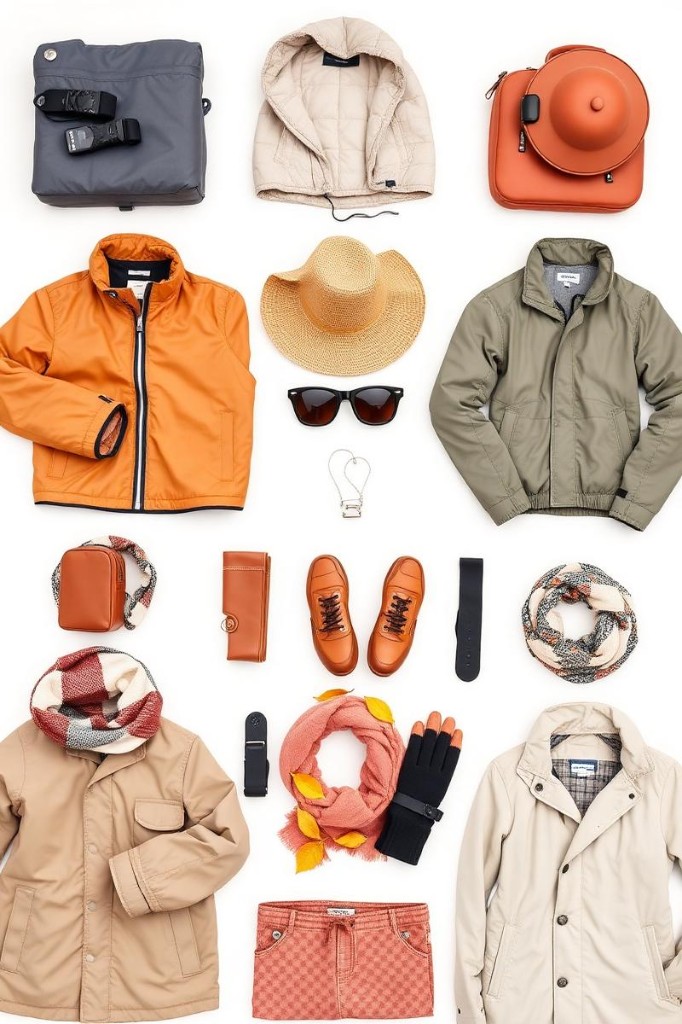
👕 Seasonal packing

Cool Dry Season (May-August): • Comfortable walking shoes • Warm jacket for evenings • Hat and sunglasses • Lightweight backpack
Warm Dry Season (Sept-Oct): • Breathable light clothing • Enhanced sun protection • Water bottle • Airy shoes
Wet Season (Nov-Apr): • Lightweight raincoat • Compact umbrella • Waterproof shoes • Quick-dry clothing
Travel clothing and gear by season

💰 Seasonal budget

PeriodCenter Accommodation (€/night)Transport (€/day)Restaurants (€/day)Attractions (€)Traffic
Dry Season (May-Sept)40-808-1515-3020-40⭐⭐⭐⭐⭐
Transition (Oct-Nov)35-708-1212-2515-35⭐⭐⭐
Wet Season (Dec-Apr)25-556-1010-2010-25⭐⭐

💡 Money-saving tips

• Weekly transport pass is more economical than daily tickets • Local restaurants are 3x cheaper than tourist ones • Accommodation in residential areas is 40% cheaper • Local markets for authentic souvenirs • Negotiation possible for long stays

🏥 Health and precautions

• Increased hydration during dry season • Mosquito protection in wet season • 24h pharmacies available in city center • Sunscreen essential at high altitude • Closed shoes recommended for markets • Bottled water advised

Urban Events

Essential event calendar for Lilongwe

The Malawian capital vibrates to the rhythm of cultural events that enrich the urban experience and reveal the local festive spirit.

🎵 Lilongwe Music Festival (August)

A major musical gathering celebrating Malawian artistic diversity with local and international artists in the city's parks. A unique festive atmosphere transforms public spaces into giant stages.

Location: Central Park and various urban sites

Feature: Fusion of traditional and modern music

Climate Impact: Ideal dry season, maximum attendance, accommodation bookings essential

Transport Access: Special shuttles from the city center

Planning Tip: Book accommodation 3 months in advance

🎨 Malawian Cultural Week (September)

A celebration of national heritage with exhibitions, traditional performances, and craft markets throughout the historic center. An authentic immersion into local culture.

Location: Old Town and cultural centers

Feature: Traditional craft demonstrations

Climate Impact: Perfect dry weather for outdoor events, high tourist attendance

Transport Access: Walking distance from center, free parking available

Planning Tip: Detailed programs available at tourist offices

🏃 Lilongwe Marathon (June)

An international race crossing iconic neighborhoods of the capital, creating an exceptional sporting atmosphere and revealing urban geography from a unique angle.

Location: Full urban circuit

Feature: Architectural discovery route

Climate Impact: Optimal cool dry season, temporary road closures, intense urban animation

Transport Access: Enhanced public transport

Planning Tip: Check modified routes on the day

Seasonal events

Dry Season: • Outdoor festivals (May-September) • Weekly night markets • Urban park concerts
Wet Season: • Cultural center exhibitions (December-March) • Indoor theater performances • Indoor food festivals • Independence Day (July 6) • New Year's festivities in the city center

Responsible City Trip

Adopt respectful urban tourism in Lilongwe by prioritizing periods and practices that reduce environmental and social impact.

Lilongwe offers many opportunities for sustainable tourism: efficient public transport, authentic local shops, urban ecological initiatives, and respect for residential communities for a positive impact.

🌱 Low-season advantages

Visiting during the wet season reduces tourist pressure, offers attractive prices, supports the local economy outside of peaks, and reduces the collective carbon footprint.

♻️ Sustainable travel tips

• Prioritize public transport and walking to discover authentically • Choose local restaurants rather than international chains • Stay in environmentally certified accommodation • Reduce plastic with a reusable water bottle • Buy local crafts directly from producers • Respect residential neighborhoods and photograph with permission

🏙️ Local sustainable initiatives

The capital is developing sustainable projects: green transport network extension, local organic markets, urban recycling programs, community green spaces, and ecotourism labels for responsible accommodation.

Our Recommendations

Recommendations for your city trip to Lilongwe

Our climate analysis and field observations reveal the best periods to discover Lilongwe according to your priorities: optimal weather, controlled budget, cultural events, or tranquility. Each season offers specific advantages for a successful urban experience.

Optimal Period

Months: May to September

Advantages:
• Perfect weather conditions for urban exploration
• Clear sky ideal for photography
• Numerous festivals and cultural events
• Very pleasant terraces and outdoor spaces
• Excellent visibility from panoramic points

Key Events: Music Festival (August), Cultural Week (September), Marathon (June)

Disadvantages: Maximum tourist traffic, high accommodation prices

Ideal Profile: Active travelers, photographers, culture lovers

Stay Duration: 4-5 days recommended

Interesting Alternative

Months: March-April and October-November

Description: Transition periods offering an excellent compromise between acceptable weather conditions, moderate prices, and reasonable attendance.

Specific Advantages: Fewer tourists, reduced accommodation rates, alternative cultural events, authentic local atmosphere

For Whom: Budget travelers, families, tranquility seekers, flexible stays

👥 Tips for your travel style

Family: May-August, residential areas, park activities, easy transport, spacious accommodation
Budget: March-April, peripheral accommodation, public transport, local markets, free sites
Culture: All year, museums, cultural centers, events, Old Town, local guides
Romantic: June-September, terrace restaurants, botanical gardens, hill sunsets
Weekend: May-October, central sites, direct transport, city center accommodation
First Trip: June-August, optimal climate, must-see sites, English-speaking guides

Periods to Avoid

Months: December-February

Reasons: Intense rains limiting outdoor activities, uncomfortable high humidity, sometimes difficult roads, reduced visibility

Nuances: Acceptable for travelers interested only in indoor culture and very attractive prices

Villes du même pays

All cities

Frequently Asked Questions

Answers to essential questions to effectively plan your city trip to Lilongwe according to the climate.

What is the best month to visit Lilongwe?

June to August offer optimal conditions with a dry climate, pleasant temperatures (9-27°C / 48-81°F), and excellent visibility. This period coincides with major cultural festivals and allows you to fully enjoy outdoor spaces. Tourist traffic is at its peak but justified by the exceptional conditions.

How many days should I plan for Lilongwe?

3 to 5 days allow for a complete discovery of the capital. Count at least 2 days for essential sites (Old Town, museums, markets), 1 extra day for natural surroundings, and 1-2 days for local atmosphere and events depending on the season. Travelers in a hurry can see the essentials in 2 intense days.

What to do in Lilongwe when it rains?

The capital offers excellent indoor alternatives: The Malawi National Museum for local history, Lilongwe City Mall for shopping and dining, the Franco-Malawian Cultural Center for exhibitions, authentic downtown restaurants, and covered markets for handicrafts. Hotels often offer covered relaxation areas.

What events should not be missed in Lilongwe?

The Music Festival in August transforms the city into a giant stage, the Cultural Week in September reveals Malawian heritage, and the Marathon in June offers a unique perspective on urban architecture. In the wet season, prioritize exhibitions at cultural centers and indoor food festivals.

What budget should I plan according to the season?

In high season (May-September): 80-140€/day all-inclusive. In shoulder season: 60-110€/day. In the wet season: 45-85€/day with accommodation 40% cheaper. Variations mainly concern accommodation and outdoor activities, as dining remains stable year-round.