When to visit Malawi? Complete Guide

Between a majestic lake and high plateaus, Malawi reveals a fascinating climatic mosaic that transforms your experience depending on the season.

  • 19.6 M population
  • English, Chichewa language
  • 120 days rainy days/year
  • May to October best time to visit
  • 10 to 14 days recommended stay

Weather and Climate in Malawi

Understanding Malawi's subtropical climate

Malawi features three distinct climatic zones influenced by altitude and proximity to Lake Malawi. This geographical diversity creates microclimates that significantly enrich the travel experience depending on the regions visited.

  • Lake Malawi region: Humid tropical climate with temperatures moderated by the lake's cooling effect
  • Central Highlands: Cooler subtropical climate at higher altitudes with marked thermal variations
  • Rift Valley: The hottest and driest area of the country with high temperatures
MonthAvg. Temp.PrecipitationConditions
January24-28°C / 75-82°F200mm / 7.9inRainy season
April22-26°C / 72-79°F50mm / 2inTransition
July16-24°C / 61-75°F5mm / 0.2inDry season
October24-30°C / 75-86°F15mm / 0.6inHot season

Altitude varies from 37m / 121ft at lake level to over 3000m / 9843ft on Mount Mulanje, creating significant temperature differences between regions.

The Seasons in Malawi

Climate by Region in Malawi

Malawi's geographical diversity creates distinct microclimates depending on altitude and proximity to the lake. These regional variations directly influence your choice of itinerary and activities.

🏔️ Northern Highlands

The Northern Highlands offer a particularly pleasant high-altitude subtropical climate. This mountainous region benefits from cooler temperatures and moderate rainfall, creating ideal conditions for hiking and exploration.

PeriodWeatherTemperatureActivities
May-AugDry and cool12-22°C / 54-72°FTrekking, villages
Sep-OctDry and hot18-28°C / 64-82°FSafaris, culture
Nov-AprHumid16-24°C / 61-75°FGreen landscapes
Climatic specifics: Frequent morning mists, significant thermal variations between day and night, microclimates depending on slope exposure.

🌊 Lake Malawi Region

The Lake Malawi region benefits from a tropical climate moderated by the cooling effect of this immense freshwater body. Temperatures remain relatively stable throughout the year.

PeriodWeatherTemperatureActivities
May-AugDry and mild20-26°C / 68-79°FDiving, beaches
Sep-OctHot and dry24-30°C / 75-86°FWater sports
Nov-AprHot and humid24-32°C / 75-90°FFish watching
Climatic specifics: Refreshing lake breezes, constant humidity, spectacular storms in the rainy season, lake water temperate all year round.

🏜️ Southern Rift Valley

The Southern Rift Valley presents the hottest and driest climate in the country. This low-altitude region experiences high temperatures and limited rainfall, creating a unique semi-arid environment.

PeriodWeatherTemperatureActivities
May-AugDry and hot18-30°C / 64-86°FSafaris, parks
Sep-OctVery hot26-38°C / 79-100°FWildlife viewing
Nov-AprHot and stormy24-35°C / 75-95°FContrasting landscapes
Climatic specifics: Significant day/night thermal gaps, hot and dry winds, wildlife concentration near rivers, vegetation adapted to aridity.

🌳 Central Plateaus

The Central Plateaus constitute the economic and demographic heart of the country with a temperate subtropical climate. This medium-altitude region offers balanced climatic conditions throughout the year.

PeriodWeatherTemperatureActivities
May-AugCool and dry14-24°C / 57-75°FCities, markets
Sep-OctHot and dry20-30°C / 68-86°FCultural discovery
Nov-AprHot and rainy20-28°C / 68-82°FAuthentic local life
Climatic specifics: Modified urban climate, cool spots at altitude, well-marked seasons, influence of deforestation on local microclimates.

Practical Guide to Malawi

Preparing for your trip to Malawi requires adapting to significant climatic variations depending on the seasons and regions. These practical tips will help you optimize your comfort and budget based on weather conditions.

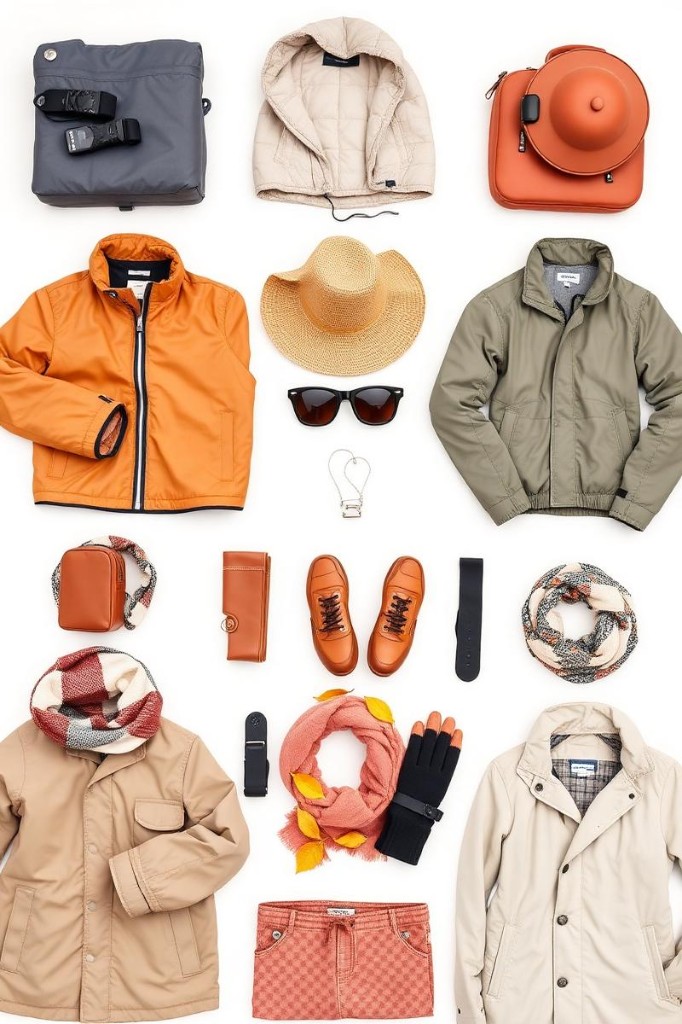
👕 Seasonal packing

Cool dry season (May-August):
  • Layered clothing for thermal variations
  • Fleece or warm jacket for evenings
  • Waterproof walking shoes
  • Reinforced sun protection
Hot dry season (September-October):
  • Light cotton or linen clothing
  • Wide-brimmed hat mandatory
  • High-protection sunglasses
  • High-SPF sunscreen
Rainy season (November-April):
  • Quality waterproof clothing
  • Waterproof shoes with good grip
  • Quick-drying clothing
  • Dry bag for electronic equipment
Travel clothing and gear by season

💰 Seasonal budget

PeriodAccommodation (€)Transport (€)Activities (€)Crowds (/5)Budget Tips
May-Aug80-15060-10050-805/5Book 3 months in advance
Sep-Oct60-12050-8040-704/5Negotiate group rates
Nov-Jan40-8030-6030-502/5Take advantage of promotions
Feb-Apr45-9035-6535-553/5Be flexible with dates

💡 Money-saving tips

  • Avoid high season (June-August) to save up to 40% on accommodation
  • Book domestic flights during the rainy season for advantageous rates
  • Take advantage of all-inclusive packages in the low season
  • Negotiate activity prices during low-traffic periods
  • Prioritize local accommodations for an authentic experience at a lower price

🏥 Health and precautions

  • Malaria: Preventive treatment mandatory, treated mosquito nets, effective repellents
  • Hydration: Drink 3-4 liters / 0.8-1 gallon of water per day in the hot season, avoid tap water
  • Sun protection: SPF 50+ sunscreen, covering clothing, avoid exposure between 11am-3pm
  • Rainy season: Beware of gastrointestinal infections, carry a complete medical kit
  • Altitude: Gradual acclimatization in the highlands, monitor for symptoms
  • Vaccinations: Yellow fever, hepatitis A and B, typhoid recommended depending on visited areas

Events & Festivals in Malawi

Cultural calendar and festivities not to be missed in Malawi

Seasonal events in Malawi reflect the country's cultural richness and adapt to natural climatic cycles.

Lake of Stars Festival (September)

The largest music festival in Southern Africa takes place on the shores of the lake during the dry season. Three days of concerts featuring international and local artists in an exceptional natural setting.

Location: Sunbird Nkopola Beach, southern shore of the lake
Highlight: Unique fusion of contemporary and traditional African music
Climate impact: Scheduled during the dry season to ensure optimal conditions

Kulamba Ceremony (August)

Traditional annual ceremony of the Chewa people honoring ancestors and celebrating cultural identity. A major spiritual gathering with dances, songs, and ancestral rituals.

Location: Mkaika, Katete District
Highlight: The largest cultural ceremony in the country, recognized by UNESCO
Climate impact: Organized in the cool dry season for the comfort of participants

Tumaini Festival (July)

A unique music and arts festival organized in a refugee camp, promoting peace and cultural integration. A humanitarian and artistic event of international significance.

Location: Dzaleka Refugee Camp
Highlight: The only festival in the world organized within a refugee camp
Climate impact: Dry period chosen to facilitate organization and access

Seasonal events

Dry season (May-October):
  • Music and arts festivals (July-September)
  • Traditional Chewa ceremonies (August)
  • Fishing competitions on the lake (September)
Rainy season (November-April):
  • New Year celebrations (January)
  • Local harvest festivals (March-April)
  • Indoor cultural events (December-February)

Responsible Travel in Malawi

Responsible tourism in Malawi adapts to natural and climatic cycles to minimize environmental impact while maximizing positive benefits for local communities.

Malawi, nicknamed the 'Warm Heart of Africa', requires a respectful approach to its fragile ecosystems. The biodiversity of Lake Malawi and the highland forests require special attention during breeding seasons.

🌱 Low-season advantages

Traveling in the rainy season reduces tourist pressure, lowers your carbon footprint, and supports the local economy more equitably throughout the year.

♻️ Sustainable travel tips

  • Use filtered water bottles to avoid plastic bottles
  • Prioritize local and shared transport
  • Respect breeding periods of lake wildlife
  • Support local crafts and cooperatives
  • Save water, a precious resource in the dry season
  • Avoid chemical products near the lake

🏙️ Local sustainable initiatives

Malawi is developing community solar energy projects, participatory reforestation programs, and Lake Malawi conservation initiatives involving riverside populations in protecting biodiversity.

Our Expert Recommendations

Expert recommendations for your trip to Malawi

After analyzing climatic data and field experience, our recommendations adapt to your travel priorities. Malawi offers differentiated experiences depending on the season, allowing you to customize your stay according to your climatic and budgetary expectations.

Optimal period: May to August

Recommended months: May, June, July, August
Advantages:
  • Perfect climate with moderate temperatures
  • Clear skies and low humidity
  • Accessible roads throughout the country
  • Ideal conditions for all activities
  • Maximum visibility for safaris
Disadvantages:
  • High tourist season
  • Higher rates
Ideal profile: Travelers prioritizing climatic comfort, families, first trips to Africa

Balanced alternative: September to October

Alternative months: September, October
Description: Transition period offering an excellent compromise between favorable climatic conditions and moderate rates
Specific advantages:
  • Wildlife concentrated near water points
  • Attractive intermediate rates
  • Fewer tourists than in high season
  • Perfect conditions for safaris

👥 Tips for your travel style

Family: May-August for safety and comfort, avoid the rainy season
Budget: November-April to save 30-40%, accept weather constraints
Adventure: September-October for wildlife, February-March for lush landscapes
Luxury: June-August in high-end lodges with optimal service
Photographer: May-June for soft light, November-January for spectacular storms
Periods to avoid: December to February (intense rains, difficult roads, high humidity, risks of local flooding)

Cities to explore

Discover the must-sees of urban travel

All cities

Frequently Asked Questions

Find answers to essential questions to plan your trip to Malawi according to optimal weather conditions.

What is the best time to visit Lake Malawi?

The ideal period is from May to October during the dry season. The waters are clear, perfect for diving and water activities. Temperatures remain pleasant (20-28°C / 68-82°F) thanks to the lake's moderating effect.

Can you travel to Malawi during the rainy season?

Yes, but with special precautions. The rainy season (November-April) offers magnificent landscapes and attractive rates, but some roads may be impassable and humidity is high.

What temperatures should I expect in different regions?

Altitude variations create significant differences: 16-24°C / 61-75°F in the highlands, 20-30°C / 68-86°F near the lake, and 24-35°C / 75-95°F in the Rift Valley. Pack clothing suitable for these differences.

Is malaria a year-round risk?

Malaria risk exists all year round but increases during the rainy season. Preventive treatment is mandatory, along with protection measures (mosquito nets, repellents) which should be reinforced during the wet season.

How should I dress according to the seasons?

In the dry season, favor layers (cool mornings/evenings, warm during the day). In the rainy season, opt for waterproof and quick-drying clothing. Sun protection is essential all year round.