When to visit Mulanje? Complete guide

Between misty mountain massifs and tea plantations, Mulanje reveals a unique atmosphere in every season.

  • 0.5 M (district) population
  • Chichewa, English language
  • 110 days/year rainy days/year
  • May to September best time to visit
  • 3 to 7 days recommended stay

Weather and climate in Mulanje

Understanding the tropical mountain climate of Mulanje

Mulanje enjoys a tropical savanna climate deeply influenced by the presence of the Mount Mulanje massif (3,002 m / 9,849 ft), the highest peak in Central Africa. The altitude moderates temperatures, while the rainy season (November to April) contrasts sharply with a bright dry season (May to October), which is ideal for hiking and exploring the tea plantations.

  • Urban area: Climate tempered by altitude with mild temperatures
  • Mountain foothills: Cooler and more humid, with frequent morning fog
  • Surrounding plains: Warmer and drier, influenced by Lake Malawi
MonthMin Temp (°C / °F)Max Temp (°C / °F)Precip. (mm / in)Sunshine (h/day)CrowdsRecommended Activities
January18 / 6428 / 82200 / 7.95★★☆☆☆Nature observation, flowing waterfalls
February18 / 6427 / 81180 / 7.15★☆☆☆☆Local wildlife, cultural interiors
March17 / 6327 / 81150 / 5.96★★☆☆☆Start of tea plantation flowering
April15 / 5926 / 7980 / 3.17★★★☆☆Short hikes, lush landscapes
May12 / 5424 / 7530 / 1.28★★★★☆Hiking, tea plantation tours
June10 / 5022 / 7215 / 0.68★★★★☆Mount Mulanje ascent, birdwatching
July9 / 4821 / 7010 / 0.49★★★★★High-altitude trekking, camping, panoramas
August11 / 5223 / 7315 / 0.69★★★★★Trail running, mountain hut discovery
September13 / 5526 / 7920 / 0.89★★★★☆Long hikes, tea plantations, villages
October16 / 6130 / 8640 / 1.69★★★☆☆Valley exploration, local markets
November18 / 6430 / 86100 / 3.96★★☆☆☆Lush landscapes, returning waterfalls
December18 / 6428 / 82180 / 7.15★★☆☆☆Local culture, festive markets, village life

The altitude of Mulanje (600-800 m / 1,968-2,625 ft) moderates tropical temperatures, creating a cooler climate than the surrounding plains. Mount Mulanje strongly influences local precipitation.

The seasons in Mulanje

Attractions according to the weather

In Mulanje, weather conditions largely dictate the quality of your experience. Organizing your program according to the day's weather will allow you to make the most of every situation, whether it's sunny or a sudden tropical storm breaks out.

☔ In cloudy or rainy weather

Huts and local culture

When clouds settle on the massif, Mulanje offers beautiful alternatives to immerse yourself in local culture and crafts without getting your feet wet.

  • 🍵 Lujeri Tea Estate tours — Discover the behind-the-scenes of Malawian tea production, with tasting. Duration: 2h. Price: ~10 USD. All year round.
  • 🏛️ Mulanje Cultural Center — Exhibitions on the history of the district and Lomwe traditions. Duration: 1h30. Free access or donation.
  • 🎨 Local artisan workshops — Bamboo baskets, Mulanje Cedar wood carvings. Duration: 1-2h. Covered market.
  • 📚 Mulanje Museum & Community Library — Small community museum tracing the history of the massif and the region. Duration: 1h. Symbolic entry.
  • 🍽️ Local restaurants and inns — Nsima, Lake Chilwa fish, local vegetables: simple and tasty gastronomy to explore.

Practical tip: Inquire at your accommodation for easy access to tea estates, as some require prior booking.
Tip: Combine the tea estate visit with lunch on-site for a full day indoors.
☀️ In good weather

The massif and plantations in full sun

In good weather, Mount Mulanje reveals itself in all its majesty and the tea plantations shine with an unreal light. It's time to take out your hiking boots and camera.

  • 🏔️ Ascent to the Chambe plateau — One of the most spectacular hikes in the country. Duration: 4-6h round trip. Best time: dawn departure (6:00 AM).
  • 🌿 Tea Estate Walk — Trail between rows of tea bushes with a view of the massif. Duration: 2-3h. Morning is ideal.
  • 🦅 Birdwatching on the slopes of the massif — Over 200 species recorded, including active endemics. Best time: 6 AM-10 AM.
  • 💧 Manchewe Waterfalls — Magnificent falls easily accessible. Duration: 1h walk. Ideal light: late afternoon.
  • 🌄 Likhubula viewpoint — Panorama over the valley and the massif foothills. Golden hour at the end of the day.
  • 🚶 Village walk to Chisitu — Cultural hike in mountain villages. Duration: 3-4h. Guide recommended.

Best time of day: Early morning departure (before 7 AM) to enjoy the coolness and avoid the midday heat at altitude.
Seasonal tip: June to August offers the best conditions. Avoid long hikes from November onwards.

🌤️ Versatile for any weather

Flexible experiences according to conditions

Some activities in Mulanje adapt perfectly to any weather, offering an enriching experience whether it rains or shines.

  • 🌱 Lujeri Tea Estate — In full sun, walk among the tea bushes; in the rain, tasting workshop in the shelter.
  • 🛶 Ruo River — Walk along the bank in good weather, observe spectacular floods in the rainy season.
  • 🏡 Stay in a mountain lodge (Likhubula Forest Lodge) — Comfort, panoramic terrace in the sun, cozy atmosphere in the rain.

Weather tip: Always start your day with an outdoor activity (short hike, plantations) and keep the cultural visit or local meal for the afternoon if the sky clouds over.
Sample itinerary: 7 AM — Hike to tea plantations | 10 AM — Estate tasting | 1 PM — Local lunch | 3 PM — Artisans or museum visit.

💰 Free or economical

Mulanje without breaking the bank

Mulanje is a naturally accessible destination, and many wonders are available to you at no cost or a very modest price.

  • 🌄 Free hiking on public trails of the massif — Free access to marked trails (guide optional, very affordable).
  • 🌿 Local markets of Mulanje Town — Authentic atmosphere, fresh produce, local crafts. Free. Lively in the morning.
  • 🏞️ Likhubula viewpoint — Stunning view with no entrance fee. Accessible on foot.
  • 💧 Ruo River banks — Free walk along the water, picnic possible.

Days and budget tips: Markets are livelier at the beginning of the week. Local guides offer very reasonable rates (5-10 USD/half-day) compared to international operators. Prioritize local guesthouses rather than lodges to divide your accommodation budget.

Mulanje Practical Guide

Preparing for your stay in Mulanje is primarily about anticipating climatic contrasts depending on the chosen season. Between cool nights at altitude, heat in the plains, and sudden tropical downpours, your gear and organization will make all the difference in fully enjoying this off-the-beaten-path mountain destination.

👕 Seasonal packing

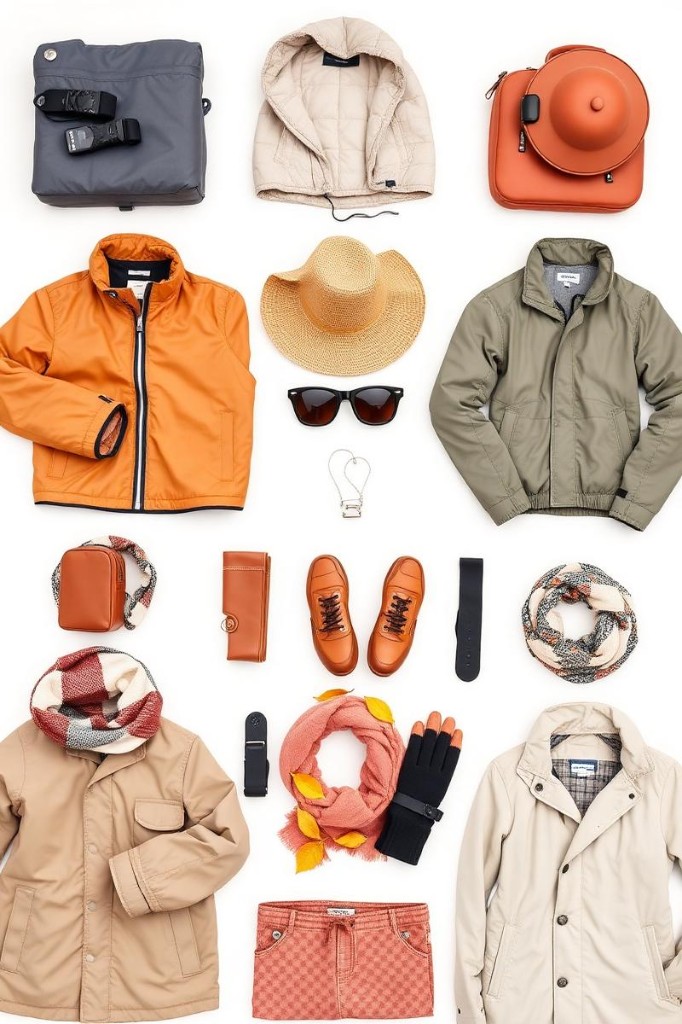
Cool dry season (May-August): • Waterproof and sturdy hiking boots • Fleece jacket and windbreaker for nights and mornings at altitude • Breathable t-shirts for the day • Beanie and light gloves for nights in huts • 30-40L backpack with rain cover

Warm dry season (September-October): • Light and breathable clothing • Hat and sunglasses are essential • High-protection sunscreen • Light walking shoes • Large capacity reusable water bottle

Start and peak rainy season (November-April): • Waterproof rain jacket and waterproof pants • Sandals or draining shoes • Waterproof protection for camera and documents • Quick-dry clothing • Long-lasting mosquito repellent (malaria: essential precaution)

Travel clothing and gear by season

💰 Seasonal budget

PeriodAccommodation (USD/night)Transport (USD/day)Meals (USD/day)Activities (USD)Crowds
June-Aug (high season)25-805-1510-2510-30★★★★★
May / Sept (shoulder)20-605-128-2010-25★★★★☆
October (dry/warm)15-505-108-188-20★★★☆☆
Nov-Dec (start of rains)10-405-107-155-15★★☆☆☆
Jan-March (heavy rains)8-305-86-125-10★☆☆☆☆

💡 Money-saving tips

Negotiate directly with local lodges off-season (May-August): discounts of 20 to 30% are frequently granted for stays of more than 3 nights.
Prioritize community guesthouses in Mulanje Town rather than premium lodges to divide the accommodation budget by two or three.
Hire an independent local guide rather than an agency: 5 to 10 USD per half-day for often superior quality of accompaniment.
Eat where the locals eat: market restaurants offer nsima and sides for less than 2 USD.
Rent hiking gear on-site (Likhubula) to avoid excess baggage fees on flights.

🏥 Health and precautions

  • Malaria: endemic area — prophylactic treatment mandatory, mosquito repellents and mosquito nets essential
  • Altitude: when climbing to the plateau, gradual acclimatization recommended — altitude sickness symptoms possible above 2,500 m / 8,202 ft
  • Hydration: in the warm dry season (Sept-Oct), drink at least 2-3L/day during hikes
  • Water: never consume tap water without filtering or treating it
  • Intensive walking: bring blister plasters and muscle protection cream
  • Pharmacy: medical resources in Mulanje are limited — bring a complete first-aid kit and take out repatriation insurance

Events in Mulanje

Calendar of must-see events in Mulanje

Local events in Mulanje set the pace for community life and offer travelers a unique cultural immersion in the heart of rural Malawi. They directly influence the destination's atmosphere and sometimes its visitor numbers.

🏃 Mulanje Mountain Challenge — August

This flagship sporting event attracts trail runners and hikers from all over Malawi and abroad every year. The trails of the Mulanje massif vibrate with a unique sporting and friendly energy, with several distances offered for all levels. The atmosphere is both competitive and festive, with entertainment in the starting villages.

Location: Likhubula (base of the massif) and Mount Mulanje trails | Special feature: crossing exceptional landscapes with significant elevation gain, one of the most spectacular trail events in Southern Africa | Impact: high visitor numbers during the event week — book accommodation 2 to 3 months in advance | Access: minibus from Blantyre (2h) or Zomba | Tip: Likhubula lodges fill up very quickly — look for alternatives in Mulanje Town.

🍵 Tea Harvest Festival — October to November

Large tea estates like Lujeri and Satemwa organize open days and tasting events during the harvest season, allowing visitors to discover the entire production process. It is a rare sensory immersion into Malawi's green economy, amidst the scents of fresh tea and the singing of pickers in the rows.

Location: Lujeri Tea Estate and Mulanje surroundings | Special feature: comparative tasting of locally produced black, green, and specialty teas | Impact: moderate attendance, relaxed and very authentic atmosphere | Access: paved road from Mulanje Town (20 min) | Tip: contact the estates directly to confirm exact opening dates.

🎭 Lomwe Cultural Festival — September

The Lomwe people, the majority in the Mulanje region, celebrate their traditions every year with dances, music, and craft demonstrations. This community event, little known to classic tourist circuits, offers an authentic and moving window into the deep cultural identity of the district, featuring traditional costumes and rituals passed down from generation to generation.

Location: Mulanje Town and surrounding villages | Special feature: participation of elders and younger generations, oral transmission of traditions | Impact: low tourist attendance, very intimate experience | Access: on foot from Mulanje Town | Tip: inquire with local authorities or your accommodation for precise dates, which vary according to the community calendar.

Seasonal events

Cool dry season (May-August): • Mulanje Mountain Challenge (August — Likhubula — trail running and hiking) • Official opening of the trekking season (May — massif) • Collective birdwatching organized by local associations (June-July)

Warm dry season (September-October): • Lomwe Cultural Festival (September — Mulanje Town — dances and crafts) • Tea estate open days (October — Lujeri — tasting) • Local agricultural fairs (October — Mulanje market)

Rainy season (November-April): • Christmas and New Year community celebrations (December — town and villages) • Malawi Independence Day (July 6 — national holiday: expect closures) • Lively weekly markets throughout the season

Responsible tourism in Mulanje

Mulanje is a fragile destination, where the ecosystem of the massif and local communities deserve deep and conscious respect. Choosing the right season and adopting responsible practices means contributing directly to the preservation of this natural and human treasure of Malawi.

The Mulanje district is classified among the priority biodiversity zones in Southern Africa. The Mulanje cedar (Widdringtonia whytei), an endemic species in critical danger of extinction, grows only on this massif. Every visitor therefore has a direct responsibility: stay on marked trails, pick nothing, support local guides, and choose lodges involved in conservation programs. The local community lives mainly from agriculture, tea, and tourism — your consumption choices have a concrete impact.

🌱 Low-season advantages

Traveling in the low season (November-April) reduces pressure on the massif trails, allows for more direct contact with the inhabitants, generates tourist income in the off-season for communities, and reduces your collective carbon footprint on this fragile mountain ecosystem.

♻️ Sustainable travel tips

  • 🚶 Walk and hike — Prioritize walking and local transport (minibus) rather than individual vehicle rental
  • 🌿 Hire certified local guides — Money stays directly in the community and you benefit from invaluable field expertise
  • 🍽️ Eat local — Markets, village restaurants, and lodge cuisine using fresh local produce rather than imported supermarkets
  • 🧴 Zero plastic — Bring a reusable filtered water bottle: single-use plastic is a major environmental problem in the region
  • 🏕️ Choose responsible accommodation — Community lodges or establishments committed to Mulanje cedar reforestation programs
  • 📸 Respect people — Always ask for permission before photographing locals, especially during cultural ceremonies

🏙️ Local sustainable initiatives

The Mulanje Mountain Conservation Trust (MMCT) works actively for the protection of the massif and the reforestation of the endemic cedar. Community reforestation projects involve local villages directly. Some lodges donate a portion of their income to these programs. The Likhubula Center also offers biodiversity awareness programs for visitors.

Our recommendations

Recommendations for your stay in Mulanje at the best time

Mulanje is a destination that deserves careful planning: the choice of season entirely conditions your experience. The dry season (May to September) offers the best compromise of weather, activities, and comfort, with passable trails, a clear sky, and pleasant temperatures. July and August concentrate most visitors, but remain far from the crowds of other African destinations. For a more economical trip and deeper cultural immersion, the transition months (April-May and September-October) represent excellent alternatives. Avoid January to March if hiking is your priority.

✅ Optimal period: June to August

Recommended months: June, July, August

  • Perfectly clear sky and dry trails throughout the massif
  • Ideal temperatures for hiking (9°C-24°C / 48°F-75°F depending on altitude)
  • Birdwatching at its best with active endemic species
  • Friendly atmosphere in mountain huts and lodges
  • Mulanje Mountain Challenge (August) for a unique sporting atmosphere

Key events: Mulanje Mountain Challenge (August), high mountain trekking season | Disadvantages: slightly higher prices, accommodation booking necessary 2-3 months in advance in July-August | Ideal profile: hikers, nature lovers, photographers, adventurers | Recommended duration: 5 to 7 days minimum to include an ascent and cultural visits

🔄 Interesting alternative: May and September

Alternative months: May, September

These transition months offer an excellent balance between favorable weather conditions and reduced crowds. In May, the vegetation is still lush after the last rains, and the trails begin to dry out. In September, the heat returns gently but the landscapes remain beautiful and prices more accessible. You will enjoy a more intimate Mulanje, with more contact with the locals.

Specific advantages: more attractive accommodation prices (10-20% cheaper than in high season), less competition on the trails, more authentic encounters with the local community | For whom: independent travelers, small budgets, lovers of cultural discovery, photographers

👥 Tips for your travel style

🏃 Hikers and adventurers: July-August without hesitation. Book your spots in the MMCT huts 2 months in advance. Plan for 5-7 days and hire a certified guide from Likhubula.

👨‍👩‍👧 Families: May or September, with short hikes (waterfalls, plantations). Stay in a comfortable lodge with easy access to activities. Duration: 4-5 days.

💰 Small budgets: May or October for prices 20-30% lower than in high season. Guesthouses in Mulanje Town (8-15 USD/night), local meals (less than 3 USD), independent guides.

📸 Photographers: June for the grazing light on the massif or November for the exploding vegetation and returning waterfalls. Sunrises from the slopes are exceptional.

🌿 Local culture lovers: September for the Lomwe festival and October for the tea harvest. Stay with locals if possible.

🧳 First trip: June or August — reliable weather, light but functional tourist infrastructure, experienced guides available, and a great hiking season for an ideal introduction to Mulanje.

⚠️ Periods to avoid: January to March

Not recommended months: January, February, March

Reasons: very intense rainfall (150 to 200 mm / 5.9 to 7.9 in per month) making massif trails dangerous and often impassable, risks of landslides, uncomfortable humid heat, road accessibility sometimes compromised in rural areas, and nuisances related to mosquitoes (high malaria risk). Nuances: these months may suit experienced travelers seeking total immersion in local life and not having high-altitude hiking as a primary objective — tea plantations then offer landscapes of exceptional green.

Villes du même pays

All cities

Frequently Asked Questions

Here are the answers to essential questions to plan your stay in Mulanje with peace of mind, based on the climate and your travel desires.

What is the best month to visit Mulanje?

The best month to visit Mulanje is undoubtedly July or August, in the heart of the dry season. The sky is perfectly clear, the trails on the massif are dry and passable up to Sapitwa peak (3,002 m / 9,849 ft), temperatures remain pleasant (9°C / 48°F at night, 23°C / 73°F during the day), and the atmosphere in the mountain huts is particularly friendly. If you wish to avoid the slight high-season crowds, June or September are excellent alternatives, with nearly identical weather conditions and fewer people on the trails.

How many days should I plan for Mulanje?

Plan for at least 3 to 4 days for a quick discovery including a hike on the massif and a visit to a tea plantation. For a complete experience — ascent to the Chambe plateau with an overnight stay in a hut, cultural visits, birdwatching, and local markets — 5 to 7 days are ideal. If you are combining Mulanje with other Malawian destinations (Zomba, Lake Malawi, Blantyre), 3 nights on-site are enough for the highlights. Ambitious hikers aiming for Sapitwa peak should reserve at least 4 days just for the mountain.

What to do in Mulanje if it rains?

A tropical rain shouldn't ruin your stay in Mulanje! Take the opportunity to dive into the world of Malawian tea with a visit to the Lujeri Tea Estate and a tasting in the shelter. Local artisan workshops (baskets, cedar wood carvings) also offer a beautiful cultural immersion. The small community museum in Mulanje Town, local restaurants to taste nsima cuisine, and exchanges with locals in the covered markets perfectly complement a rich and memorable rainy day.

Which events should I not miss in Mulanje?

The event you absolutely shouldn't miss is the Mulanje Mountain Challenge in August: this spectacular trail race brings the trails of the massif to life and offers a unique festive atmosphere. In September, the Lomwe Cultural Festival allows for an authentic immersion into the traditions of the local people. In October-November, the tea harvest days in the large estates are a memorable sensory experience. For national holidays, Malawi Independence Day (July 6) features colorful community celebrations, but be aware of closures on that day.

What budget should I plan according to the season?

In high season (June-August), expect between 50 and 130 USD per day all-inclusive (lodge accommodation, guide, meals, local transport). In shoulder season (May, September-October), the budget drops to 35-90 USD/day thanks to more accessible accommodation rates. In low season (November-April), local guesthouses offer rooms from 8-15 USD/night, and a budget of 20-50 USD/day is realistic for a budget traveler. Always budget for a guide (5-15 USD/half-day) — essential and very affordable — as well as medical repatriation insurance.