When to visit Hiroshima? City-Trip Guide

Discover Hiroshima through the seasons: from cherry blossoms to vibrant summer festivals and flamboyant autumn foliage.

  • 1.2 M population
  • Japanese language
  • 115 days rainy days/year
  • from April to May and October to November best time to visit
  • 2 to 4 days recommended stay

Climate and weather in Hiroshima

Understanding Hiroshima's humid subtropical climate

Hiroshima enjoys a humid subtropical climate influenced by its coastal location on the Seto Inland Sea. The urban heat island effect intensifies summer temperatures, while the surrounding mountains moderate extreme variations, creating favorable conditions for city tourism.

  • City Center: Urban heat island with temperatures 2-3°C / 3.6-5.4°F higher
  • Coastal Zone: Refreshing sea breezes and moderate humidity
  • Surrounding Hills: Cooler temperatures and slightly higher precipitation
MonthMin Temp (°C / °F)Max Temp (°C / °F)Precipitation (mm)Sunshine (h/day)Tourist TrafficRecommended Activities
January2°C / 36°F10°C / 50°F455⭐⭐Museums, temples, gastronomy
February3°C / 37°F11°C / 52°F605⭐⭐Historical heritage
March6°C / 43°F15°C / 59°F1106⭐⭐⭐Hanami preparation
April11°C / 52°F21°C / 70°F1306⭐⭐⭐⭐⭐Cherry blossoms
May16°C / 61°F25°C / 77°F1406⭐⭐⭐⭐Parks, urban walks
June21°C / 70°F28°C / 82°F2505⭐⭐⭐Museums, shopping
July25°C / 77°F32°C / 90°F2306⭐⭐⭐Summer festivals
August26°C / 79°F33°C / 91°F1207⭐⭐⭐⭐Commemorations, festivals
September22°C / 72°F29°C / 84°F1805⭐⭐⭐Early autumn colors
October16°C / 61°F24°C / 75°F906⭐⭐⭐⭐Autumn foliage
November10°C / 50°F18°C / 64°F655⭐⭐⭐⭐Momiji, heritage
December5°C / 41°F13°C / 55°F355⭐⭐Winter illuminations

Altitude variations around Hiroshima have little influence on the urban climate, as the city is located on a coastal plain. However, the surrounding hills offer temperatures 2-3°C / 3.6-5.4°F cooler and provide excellent viewpoints over the bay.

The seasons in Hiroshima

Must-sees according to the weather

Optimize your discovery of Hiroshima by adapting your visits to climatic conditions. This organization allows you to fully enjoy every moment of your urban stay.

☔ In cloudy/rainy weather

Indoor & sheltered

Rainy days reveal another side of Hiroshima, rich in sheltered cultural discoveries.

Recommended Sites:
🏛️ Peace Memorial Museum (2h, ¥200, all year)
🏢 Hiroshima Art Museum (1h30, ¥370, permanent collections)
🛍️ Kamiyacho shopping center (covered shopping, restaurants)
⛩️ Shukkeien Garden (partially covered, ¥260)
🍜 Okonomi-mura district (local specialties, 3 floors)
🚇 Hiroshima Station underground galleries
🎭 JMS Aster Plaza cultural center (exhibitions, shows)

Practical Tip: Book online to avoid queues. The Hiroshima City Pass offers discounts on several sites.
Additional Tip: Combine museum and shopping in the city center; everything is accessible on foot or by covered tram.

☀️ In good weather

Optimal outdoor

The sun reveals all the beauty of Hiroshima's outdoor spaces and its panoramas over the bay.

Recommended Sites:
⛩️ Itsukushima Shrine in Miyajima (full day, ferry included)
🌸 Peace Memorial Park (free, magical sunrise/sunset)
🏰 Hiroshima Castle and gardens (2h, ¥370)
🌿 Shukkeien Garden (1h30, ¥260, ideal morning/late afternoon)
🚡 Mount Misen by cable car (half-day, panoramic view)
🚢 Hiroshima Bay cruise (1h, ¥1800)
🚶 Walk along the Motoyasu River

Best time of day: Sunrise at Peace Memorial Park, sunset at the floating torii of Miyajima for exceptional photos.
Seasonal Tip: Avoid July-August in the middle of the day. Prioritize April-May and October-November for optimal comfort.

🌤️ Versatile for all weather

Flexible

These sites adapt to weather changes thanks to their mixed indoor-outdoor spaces.

Recommended Sites:
🏪 Hiroshima Central Market (covered with terraces)
⛩️ Mitaki-dera Temple (caves and sheltered pavilions)
🏢 Hiroshima Orizuru Tower (covered observatory, optional terrace)

Weather Tip: Start outdoors if the weather is uncertain, retreat to covered areas if necessary.
Example itinerary: Morning at the market (covered), then temple (flexible), afternoon museum if raining or park if sunny.

💰 Free or economical

Free of charge

Free sites:
🕊️ Peace Memorial Park (free, must-see)
🌸 Hiroshima Central Park (free, perfect for hanami)
🚶 Nagarekawa and Hacchobori districts (architecture, free)
⛩️ Neighborhood shrines (numerous, free access)

Free days: Some museums offer free access on the first Sunday of the month or during special events.
Budget tips: Panoramas from free bridges, markets for tasting without restaurants, residential districts for authenticity.

Practical Guide

Prepare your city trip to Hiroshima with our tips adapted to climatic variations. From seasonal gear to variable budgets, optimize your stay according to the city's meteorological and urban characteristics.

👕 Seasonal packing

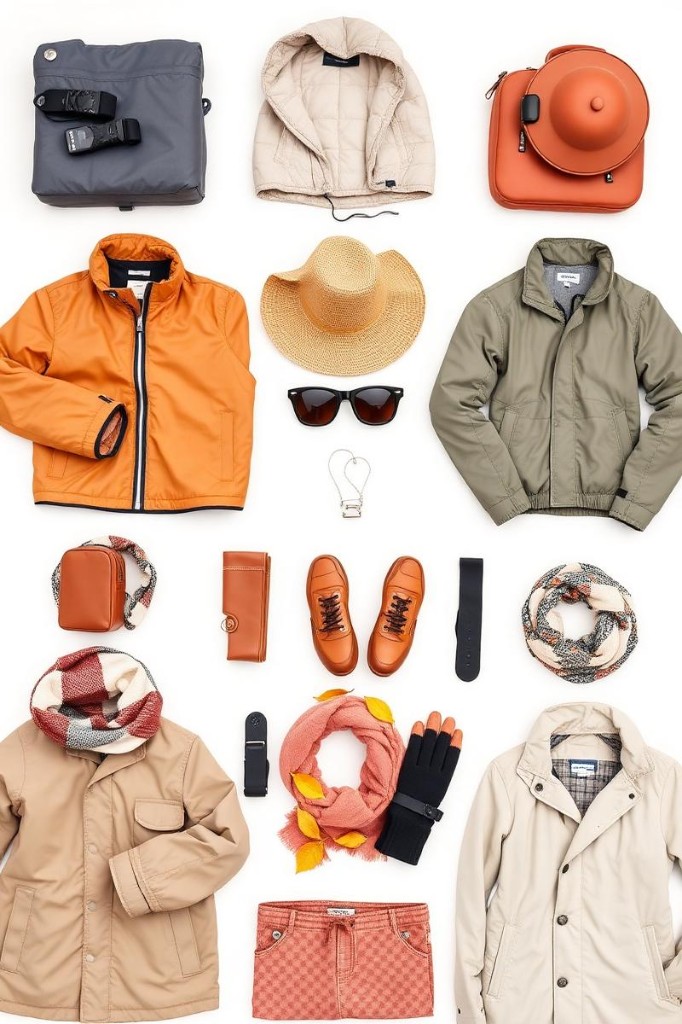
Spring (March-May): • Comfortable non-slip shoes • Light waterproof jacket • Compact umbrella • Layered clothing • Waterproof backpack

Summer (June-August): • Breathable and comfortable shoes • Light anti-UV clothing • Hat and sunglasses • Sturdy umbrella (heavy rain) • Cooling towel

Autumn (September-November): • Grippy walking shoes • Sweater or fleece for evenings • Light windbreaker • Camera (for colors) • Waterproof bag

Winter (December-February): • Warm and waterproof shoes • Warm coat and windbreaker • Gloves and hat • Scarf • Portable hand warmers
Travel clothing and gear by season

💰 Seasonal budget

PeriodCity Center Accommodation (€/night)Transport (€/day)Restaurants (€/day)Attractions (€)Traffic
Spring (Apr-May)80-1508-1225-4515-25⭐⭐⭐⭐⭐
Summer (Jun-Aug)70-1208-1230-5015-25⭐⭐⭐⭐
Autumn (Oct-Nov)75-1308-1225-4015-25⭐⭐⭐⭐
Winter (Dec-Feb)50-908-1220-3515-25⭐⭐

💡 Money-saving tips

Hiroshima City Pass: cost-effective after 3 attractions, includes transport • Restaurants: lunches (teishoku) 30% cheaper than dinners • Accommodation: Ujina or Koi districts are more affordable and well-connected • Free events: neighborhood festivals, temple ceremonies • Transport: unlimited daily tram pass (¥600) is very economical

🏥 Health and precautions

Urban pollution: occasional peaks, mask recommended for sensitive individuals • Allergies: cedar pollen in March-April, antihistamines advised • Summer hydration: intense humid heat, drink regularly, mineral salts • Winter cold: strong wind near the bay, adequate protection • Intensive walking: city is very spread out, suitable shoes are essential • 24h Pharmacies: rare, prepare a basic kit

Urban Events

Calendar of must-see events in Hiroshima

Events in Hiroshima set the pace for urban life and enrich the tourist experience. Traditional festivals, historical commemorations, and seasonal celebrations transform the city's atmosphere.

🌸 Cherry Blossom Festival (Hanami)

Dates: Late March to early May
Description: The city is adorned in pink and white with over 1,300 cherry trees in bloom. Traditional picnics in parks, night illuminations, and a festive atmosphere throughout the city transform Hiroshima into an exceptional natural spectacle.
Location: Peace Memorial Park, Castle Park, riverbanks
Highlight: Striking contrast between natural beauty and historical memory
Climate Impact: Peak tourist season, bookings essential 3 months in advance, prices doubled
Transport Access: Tram lines 1, 2, 6 to the city center, walking between sites
Planning Tip: Book accommodation from January, arrive early in the morning to avoid crowds

🕊️ Peace Memorial Ceremony

Dates: August 6 (local public holiday)
Description: Solemn commemoration of the atomic bombing with an official ceremony, dove release, wreath laying, and a minute of silence at 8:15 AM. A moment of intense emotion and reflection shared by the entire city.
Location: Peace Memorial Park, city center
Highlight: Participation of international dignitaries and survivors (hibakusha)
Climate Impact: High international attendance, intense summer heat, hydration necessary
Transport Access: Free tram service on this day, traffic changes in city center
Planning Tip: Arrive very early (6:00 AM), bring sun protection, respect the silence

🎆 Toukasan Festival

Dates: First weekend of June
Description: Hiroshima's largest summer festival with 450,000 visitors. Yukata parades, street-food stalls, traditional performances, and fireworks. The city center streets turn into a massive, colorful, and joyful popular celebration.
Location: Enryuji Temple and surrounding streets, city center
Highlight: Tradition of lucky fans (uchiwa) offered for free
Climate Impact: Start of the rainy season, bring an umbrella, high humidity, covered stalls
Transport Access: Reinforced tram service, crowded stations, walking recommended
Planning Tip: Book restaurants in advance, wear a yukata for the atmosphere

Seasonal events

Spring: • Peace Festival (May) • Neighborhood Matsuri (April-May) • Hana-matsuri Flower Market (April)

Summer: • Miyajima Kangensai Festival (June) • Hiroshima Bay Fireworks (August) • Bon Odori in neighborhoods (July-August)

Autumn: • Momiji-matsuri Maple Leaf Festival (November) • Hiroshima Food Festival (October) • Autumn Illuminations (November)

Winter: • Year-end illuminations (December-January) • New Year at temples (January) • Oyster Festival (February-March)

Responsible city trip

Discovering Hiroshima responsibly means respecting this city steeped in history while minimizing your environmental and social impact on local communities.

Hiroshima, a city of peace and memory, invites thoughtful tourism. Prioritize soft mobility thanks to the historic tram network and bike paths. Support local businesses rather than international chains, respect the solemnity of memorial sites, and participate in preserving the urban environment by sorting your waste according to strict Japanese rules.

🌱 Low-season advantages

Visiting Hiroshima in the low season (winter, early summer) reduces tourist pressure on memorial sites, allows for a more authentic experience with locals, lowers the carbon footprint of saturated transport, and supports the local economy during off-peak periods.

♻️ Sustainable travel tips

Transport: tram and bike priority, walking for short distances • Dining: local okonomiyaki vs chains, farmers' markets • Accommodation: certified traditional ryokans, avoid over-air conditioning • Waste: respect Japanese sorting, reusable water bottle • Respect: silence in memorial sites, photos only where authorized • Shopping: local crafts, avoid souvenirs made in China

🏙️ Local sustainable initiatives

Hiroshima is developing remarkable sustainable initiatives: expansion of the electric tram network, post-reconstruction urban greening, an exemplary recycling program, promotion of cycling with self-service stations, encouraged local organic markets, and ecological certification for traditional accommodations that respect the environment.

Our recommendations

Recommendations for your city trip to Hiroshima

After analyzing climatic data, tourist traffic, and cultural events, here are our personalized tips to optimize your discovery of Hiroshima. Each period offers its own advantages depending on your priorities: ideal weather, budget control, authenticity, or exceptional events.

🌟 Optimal Period

Months: April-May and October-November
Advantages:
• Perfect temperatures for urban walking (15-25°C / 59-77°F)
• Spectacular cherry blossoms or autumn foliage
• Ideal light for photography and sightseeing
• Festive atmosphere with hanami or momiji-gari
• Optimal comfort to alternate between indoor and outdoor sites
Key Events: Cherry Blossom Festival (April), traditional autumn ceremonies
Disadvantages: High crowds in April, high prices, advance bookings necessary
Ideal Profile: First-time visitors, couples, photographers, Japanese culture enthusiasts
Stay Duration: 3-4 days recommended

⚖️ Interesting Alternative

Months: February-March and December
Description: Periods offering an excellent compromise between authenticity, budget, and acceptable weather. Fewer tourists allow for a more intimate discovery of memorial sites and traditional districts.
Specific Advantages: Accommodation prices reduced by 40%, less crowded restaurants, authentic local experience, magical winter illuminations
For Who: Experienced travelers, tight budgets, those seeking tranquility, seniors

👥 Tips for your travel style

Family: April-May or October, station area, unlimited tram pass, numerous parks, interactive museums

Budget: December-February, peripheral accommodations, transport pass, teishoku restaurants

Culture: all year round depending on events, traditional districts, specialized guides, in-depth museums

Romantic: April (cherry blossoms) or November (autumn), traditional ryokans, bay cruises, kaiseki dinners

Weekend: avoid Golden Week, concentrated essential sites, fast transport

First trip: April-May ideal, English-speaking guides, central district, must-see sites

⚠️ Periods to avoid

Months: June-July (rainy season), August (heatwave)
Reasons: Daily intense rain disrupts outdoor visits, exhausting humid heat (33°C / 91°F + 80% humidity), risk of typhoons in September, increased fatigue
Nuances: Acceptable for summer festival enthusiasts, travelers used to tropical climates, tight budgets (moderate prices)

Villes du même pays

All cities

Frequently Asked Questions

Answers to essential questions for planning your city trip to Hiroshima based on climatic and urban specifics.

What is the best month to visit Hiroshima?

April and November offer optimal conditions. April combines cherry blossoms and ideal temperatures (15-21°C / 59-70°F), but with high crowds. November offers spectacular autumn foliage, fewer tourists, and a pleasant climate (10-18°C / 50-64°F). May is an excellent compromise with good weather and moderate crowds. Avoid June-July (rainy season) and August (humid heatwave).

How many days should I plan for Hiroshima?

2-3 days minimum for essential sites: Peace Memorial Park, Miyajima, the castle, and the city center. 4-5 days allow for deeper exploration with museums, traditional districts, and excursions. One week includes gastronomic discovery, local events, and a relaxed pace. Allow a full day for Miyajima, one for memorial heritage, and one for the modern city and culinary specialties.

What to do in Hiroshima when it rains?

Hiroshima offers many covered alternatives: Peace Memorial Museum (must-see), Art Museum, Kamiyacho shopping center, Okonomi-mura for gastronomy, underground galleries at the station, and temples with sheltered areas. The tram network allows you to travel while staying dry. Rainy days are perfect for discovering indoor culture and local gastronomy in traditional restaurants.

Which events should not be missed in Hiroshima?

Cherry Blossom Festival (April) for the exceptional hanami atmosphere, August 6th Memorial Ceremony for unique historical emotion, and Toukasan Festival (June) for authentic Japanese popular culture. In autumn, momiji festivals celebrate the foliage. Each season offers authentic neighborhood matsuri. Check the local calendar as many spontaneous events enrich the urban experience.

What budget should I plan according to the season?

High season (April, August, November): €100-150/day (accommodation €80-150, meals €30-50, transport €10, attractions €20). Low season (December-February): €60-90/day with accommodation €50-90. The Hiroshima City Pass (¥1000) pays for itself after 3 sites. Lunch at restaurants is 30% cheaper. Weekend budget: +20% on accommodation. Plan extra for Miyajima (ferry + attractions).