When to visit Osaka? City-Trip Guide

Between millennial traditions and urban modernity, Osaka reveals unique seasonal atmospheres depending on the time of your visit.

  • 2.7 M population
  • Japanese language
  • 110 days rainy days/year
  • March to May and October to November best time to visit
  • 3 to 5 days recommended stay

Climate and Weather in Osaka

Understanding Osaka's Humid Subtropical Climate

Osaka enjoys a humid subtropical climate with four distinct seasons. The urban heat island effect intensifies summer temperatures, while the proximity to Osaka Bay moderates winter extremes, creating variable conditions depending on the neighborhood.

  • City Center: Urban heat island effect, temperatures 2-3°C / 3.6-5.4°F higher
  • Osaka Bay: Maritime moderating influence, refreshing breezes
  • Residential Areas: Milder temperatures, lower humidity
MonthMin Temp (°C / °F)Max Temp (°C / °F)Precipitation (mm)Sunshine (h/day)Tourist TrafficRecommended Activities
January3 / 3710 / 50455⭐⭐Museums, temples, gastronomy
February3 / 3711 / 52606⭐⭐Plum blossoms, shopping
March6 / 4315 / 591006⭐⭐⭐Sakura, urban parks
April11 / 5221 / 701057⭐⭐⭐⭐⭐Hanami, outdoor walks
May16 / 6126 / 791457⭐⭐⭐⭐Festivals, terraces
June21 / 7029 / 841855⭐⭐⭐Museums, shopping malls
July25 / 7733 / 911606⭐⭐⭐Summer festivals, nightlife
August26 / 7935 / 95907⭐⭐⭐Indoor activities, water parks
September22 / 7230 / 861606⭐⭐⭐Early autumn, walks
October16 / 6124 / 751106⭐⭐⭐⭐Autumn foliage
November10 / 5018 / 64656⭐⭐⭐⭐⭐Momiji, gastronomy
December5 / 4113 / 55405⭐⭐⭐Illuminations, markets

Altitude variations are minimal in Osaka, which is primarily located on a plain. The main influence comes from dense urbanization creating urban microclimates and maritime proximity that tempers extremes.

Seasons in Osaka

Attractions by Weather

Optimize your stay by choosing your activities according to weather conditions. Osaka offers a cultural richness adapted to all climatic situations.

☔ In Cloudy/Rainy Weather

Indoor & Sheltered

Rainy days reveal the authentic and warm face of Osaka through its covered spaces.


Must-See Sites:
🏰 Osaka Castle (2h, ¥600, all year)
🐟 Kaiyukan Aquarium (3h, ¥2400, avoid weekends)
🎭 Bunraku Theater (1h30, ¥4000, seasonal shows)
🛍️ Shinsaibashi shopping (half-day, free, covered)
🍜 Kuromon Ichiba Market (2h, variable, covered)
🎨 National Museum of Art (2h, ¥430, temporary exhibitions)
🎮 TeamLab Botanical Garden (2h, ¥1200, reservation required)
🍺 Asahi Brewery (1h, ¥500, tasting included)

Practical Tip: Book online to avoid queues, especially for TeamLab and the aquarium.
Additional Tip: Combine Shinsaibashi and Dotonbori via underground covered passages, ideal with the Osaka Amazing Pass.

☀️ In Good Weather

Optimal Outdoor

The sun reveals the splendor of Osaka's outdoor spaces and its exceptional urban panoramas.


Sites to Prioritize:
🌸 Osaka Castle Park (2h, free, sunrise/sunset)
🎡 Tempozan Giant Wheel (30min, ¥800, sunset)
⛩️ Sumiyoshi Taisha Shrine (1h30, free, quiet morning)
🌊 Osaka Bay waterfront (3h, free, afternoon)
🏮 Shinsekai District (2h, free, golden hour)
🌳 Nakanoshima Park (1h, free, picnic possible)
🏯 Umeda Sky Observatory Terrace (45min, ¥1500, 360° panorama)
🚶 Dotonbori riverside walk (1h, free, night lighting)

Best Time of Day: Sunrise at the castle (6:30 AM), golden hour at Tempozan (5:00 PM-6:30 PM depending on season)
Seasonal Tip: March-May and October-November are optimal, avoid July-August 12 PM-3 PM (urban heatwave)

🌤️ Versatile for All Weather

Flexible

These sites combine covered and outdoor spaces, perfect for adapting to changing weather.


Adaptable Sites:
🏪 Universal Studios Japan (full day, ¥8400, indoor/outdoor attractions)
🍱 Dotonbori District (3h, free, galleries + terraces)
🛒 Osaka Station City (half-day, free, shopping + gardens)
🎪 Expo '70 Park (4h, ¥260, museums + green spaces)
🍜 Namba District (evening, variable, restaurants + pedestrian streets)

Weather Tip: Start outdoors in the morning, retreat indoors if the weather turns

Example Itinerary: Morning castle (outdoor) → Lunch Kuromon Market (covered) → Afternoon Dotonbori (mixed) → Evening Shinsekai (covered streets)

💰 Free or Budget-Friendly

No Cost

Discover Osaka without impacting your budget thanks to these authentic free experiences.


Free Sites:
⛩️ Sumiyoshi and Yasaka Shrines (free, voluntary donations)
🏞️ Nakanoshima and Castle Parks (free, picnic allowed)
🌉 Osaka Bay waterfront walks (free, sunsets)
🏮 Strolling through Shinsekai and Namba districts (free, local atmosphere)
🎋 Observing modern Umeda architecture (free, from the street)

Free Days: National Museum of Art free for under 18s, frequent student discounts

Budget Tips: Free panoramas from Umeda department stores, local markets for budget meals, walking between central districts

Practical Guide

Prepare your city trip to Osaka by adapting your gear and budget to the seasonal climatic specificities and the particularities of this dense and dynamic Japanese metropolis.

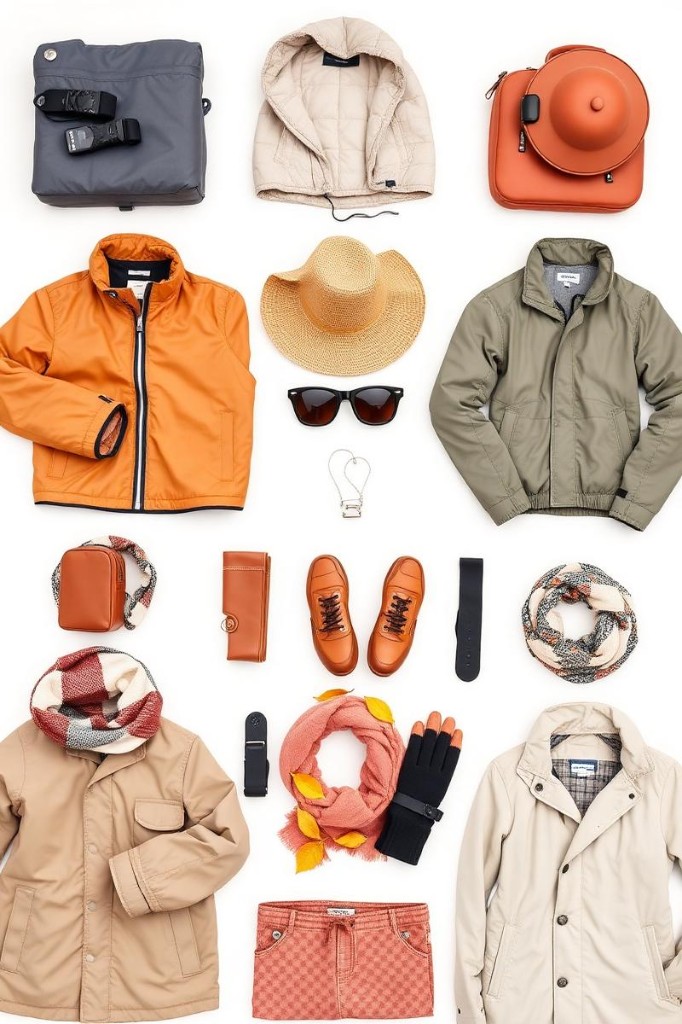
👕 Seasonal packing

Spring: • Comfortable urban walking shoes • Light removable jacket • Compact umbrella • Light backpack for hanami

Summer: • Breathable and anti-UV clothing • Hat and sunglasses • Portable fan • Airy shoes • Rain/sun umbrella

Autumn: • Layers • Non-slip shoes • Light waterproof jacket • Photo accessories for momiji

Winter: • Warm but light coat • Scarf and gloves • Warm waterproof shoes • Thermal underwear • Shopping bag
Travel clothing and gear by season

💰 Seasonal budget

PeriodCenter Accommodation (€/night)Transport (€/day)Restaurants (€/day)Attractions (€)Traffic
Winter (Dec-Feb)60-1208-1225-4515-25⭐⭐
Spring (Mar-May)120-2508-1230-5520-35⭐⭐⭐⭐⭐
Summer (Jun-Aug)80-1608-1225-5015-30⭐⭐⭐
Autumn (Sep-Nov)90-1808-1230-5020-30⭐⭐⭐⭐

💡 Money-saving tips

Osaka Amazing Pass profitable from 3 attractions (¥2800 for 2 days)
• Lunch in konbini and local markets (¥500-800 vs ¥2000 in tourist restaurants)
• Accommodation in Nippombashi or Tennoji neighborhoods (30% cheaper than Umeda/Namba)
• Izakaya happy hours 5 PM-7 PM (half-price drinks)
• Regional JR Pass more economical than individual tickets
• Frequent free events in parks and malls

🏥 Health and precautions

Urban pollution: mask recommended for asthmatics, avoid jogging during rush hours
Spring allergies: pollen peaks March-May, antihistamines available in pharmacies
Summer hydration: ubiquitous vending machines, avoid alcohol during hot days
Intensive walking: 15-20km / 9-12 miles per day typical, broken-in shoes essential
24h Pharmacies: rare, bring a basic kit, Google Translate app for symptoms

Urban Events

Calendar of Must-See Events in Osaka

Festivals and events punctuate urban life in Osaka, transforming the city's atmosphere and creating unique experiences depending on when you visit.

🌸 Hanami Festival - Castle Park (Late March - Early May)

Osaka's most iconic event turns the city into a pink and white symphony. Over 4,000 cherry trees bloom simultaneously, creating an extraordinary natural spectacle.


Location: Osaka Castle Park, Maruyama, and Kema Sakuranomiya
Highlight: Nighttime Hanami with illuminations until 9 PM, traditional picnics
Climate Impact: Peak crowds (2 million visitors), book accommodation 6 months in advance, prices tripled
Transport Access: JR Loop Line Osakajo-koen station, Chuo Subway Line Morinomiya
Pro Tip: Book accommodation from the previous October, avoid weekends for fewer crowds

🎆 Tenjin Matsuri Festival (July 24-25)

One of Japan's three major festivals ignites Osaka with millennial traditions and spectacular fireworks. Features processions in period costumes and a river parade on the Okawa River.


Location: Tenmangu Shrine, Okawa River, city center
Highlight: Parade of 100 traditional boats, 5,000 fireworks, Heian costumes
Climate Impact: 1.3 million spectators, saturated transport, extreme heat (35°C+ / 95°F+)
Transport Access: Sakaisuji Subway Line Minamimorimachi, arrive 3 hours before start
Pro Tip: Paid observatory seats recommended, stay hydrated, avoid driving

🍂 Momiji Festival - Expo '70 Park (November)

The autumn foliage transforms Osaka into a palette of red and gold. A more intimate event allowing you to savor Japanese contemplative beauty.


Location: Expo '70 Suita Park, Kema Sakuranomiya Gardens
Highlight: Nighttime maple illuminations, outdoor tea ceremonies
Climate Impact: Moderate crowds, ideal temperatures 15-20°C / 59-68°F, golden photographic light
Transport Access: Osaka Monorail Banpaku-kinen-koen, 30 min from center
Pro Tip: Peak colors vary by weather, follow online momiji forecasts

Seasonal events

Spring: • Osaka Food Festival (April - Castle) • Golden Week local matsuri (late April-early May) • Kansai Jazz Festival (May)

Summer: • Sumiyoshi Matsuri (July-August) • Naniwa Yodogawa Fireworks (August) • Bon Odori dance festivals (August)

Autumn: • Osaka Marathon (late November) • Chrysanthemum Festival (October-November) • Autumn Leaves Light-up (November)

Winter: • Umeda/Namba Illuminations (December-February) • Traditional New Year at shrines (January 1st) • Plum Blossom Festival (February-March)

Responsible City-Trip

Adopt respectful urban tourism by choosing sustainable practices that preserve Osaka's authenticity while minimizing your environmental and social impact.

Osaka is developing urban eco-responsible initiatives: priority to soft mobility with self-service bikes, promotion of local businesses over international chains, advanced waste sorting management, respect for Japanese social codes, and fighting overtourism by dispersing flows to alternative neighborhoods.

🌱 Low-season advantages

Visiting Osaka outside peak tourist times significantly reduces public transport congestion, allows for authentic immersion in daily local life, offers more accessible rates, and reduces the overall ecological impact of your stay.

♻️ Sustainable travel tips

• Prioritize public transport and cycling (dense network, daily passes)
• Choose local restaurants vs tourist areas (experience + price)
• Select environmental-certified accommodation or traditional ryokans
• Reduce plastic with a reusable water bottle (numerous public fountains)
• Walk between central attractions (discovery + ecology)
• Explore less-frequented residential neighborhoods (Sumiyoshi, Nippombashi)

🏙️ Local sustainable initiatives

Osaka invests in urban sustainability: expansion of the shared electric bike network, expanded pedestrian zones in Dotonbori, greening of roofs and walls, advanced recycling system with smart bins, developing local organic markets, and ecotourism labels for responsible businesses.

Our Recommendations

Recommendations for your city trip to Osaka

After analyzing climatic data, tourist traffic, and cultural events, here are our personalized tips to optimize your discovery of Osaka. These recommendations take into account the optimal balance between favorable weather conditions, authentic experience, and controlled budget.

🏆 Optimal Period

Recommended Months: October - November and late March - early May


Advantages:
• Ideal temperatures 15-25°C / 59-77°F for intensive urban walking
• Exceptional natural spectacles (sakura/momiji)
• Festive and photogenic atmosphere
• Perfect lighting for discovery and photography
• Terraces and outdoor activities optimal

Key Events: Hanami (April), Momiji Festival (November), seasonal marathons and matsuri
Disadvantages: Peak hanami crowds, high accommodation prices during cherry blossom season
Ideal Profile: First visit, couples, photographers, Japanese culture enthusiasts
Stay Duration: 4-5 days recommended to fully enjoy

⚖️ Interesting Alternative

Alternative Months: September and December-February


Description: Periods offering an excellent compromise between acceptable weather conditions, moderate traffic, and attractive rates, perfect for tight budgets or experienced travelers.

Specific Advantages:
• 40-60% fewer tourists than in high season
• Accommodation and flight prices reduced by half
• Spectacular winter illuminations
• More authentic experience of local life
• Exceptional seasonal gastronomy

For Whom: Budget travelers, seniors, gastronomy enthusiasts, Japan regulars

👥 Tips for your travel style

Family: April-May or October, Namba/USJ districts, JR Pass transport, spacious Sumiyoshi accommodation
Budget: January-February, Nippombashi hostels, konbini/market food, bundled transport + attraction passes
Culture: March-May, traditional Sumiyoshi district, authentic ryokan, bunraku/kabuki shows
Romantic: April (sakura) or November (momiji), bay view hotels, kaiseki dinners, river cruises
Weekend: Any season, Namba/Umeda center, unlimited subway, concentrated major attractions
First Trip: April or October, English-speaking guide, Dotonbori district, Umeda western-style accommodation

⚠️ Periods to Avoid

Not Recommended: June-August (especially July-August)


Reasons:
• Extreme heat 30-35°C / 86-95°F + 80% humidity
• Rainy season (tsuyu) in June
• Major discomfort for urban walking
• Risk of dehydration and fatigue

Nuances: Acceptable for young travelers used to heat, summer festival enthusiasts, or travelers prioritizing nightlife and air-conditioned indoor activities

Villes du même pays

All cities

Frequently Asked Questions

Answers to essential questions for planning your city trip to Osaka based on climate and urban specificities.

What is the best month to visit Osaka?

April and November offer optimal conditions with pleasant temperatures (15-25°C / 59-77°F), exceptional natural spectacles (sakura/momiji), and a festive urban atmosphere. October is an excellent alternative with fewer crowds. Avoid July-August (extreme heat) and anticipate April crowds which require booking accommodation 6 months in advance.

How many days should I plan for Osaka?

3 to 5 days allow you to discover the essentials of Osaka comfortably. 3 days for the highlights (castle, Dotonbori, USJ), 4-5 days to delve deeper into authentic neighborhoods and excursions (Nara, Kyoto). Experienced walkers can condense into 2 intensive days. Add 1 day if visiting during hanami to fully enjoy the cherry blossoms without stress.

What to do in Osaka when it rains?

Osaka excels in rainy weather thanks to its many covered spaces: Kaiyukan Aquarium, Shinsaibashi underground shopping malls, Kuromon covered market, museums (National Museum of Art, castle), TeamLab Botanical Garden, and the network of galleries connecting Namba-Dotonbori. Izakayas and restaurants become cozy refuges perfect for discovering local gastronomy.

Which events should not be missed in Osaka?

Hanami (late March-early May) remains the most iconic experience with 4,000 cherry trees in bloom. Tenjin Matsuri (July 24-25) offers the most authentic traditional spectacle despite the heat. Momiji Festival (November) combines natural beauty and ideal temperatures. In winter, the illuminations (December-February) magically transform the modern city.

What budget should I plan for the season?

High season budget (April, November): €150-200/day (accommodation €120-250, meals €30-55, attractions €20-35). Low season (winter): €80-120/day with accommodation at €60-120. Savings tips: Osaka Amazing Pass (bundled attractions), local market lunches (¥500), residential neighborhoods for accommodation (-30%), izakaya happy hours. Transport: €8-12/day constant all year.