When to visit Kanazawa? City Trip Guide

Discover Japan's cultural pearl according to the seasons for an authentic and memorable urban experience.

  • 0.46M population
  • Japanese language
  • 180 days rainy days/year
  • April to June and September to November best time to visit
  • 3 to 5 days recommended stay

Climate and weather in Kanazawa

Understanding Kanazawa's humid continental climate

Kanazawa enjoys a humid continental climate influenced by the Sea of Japan. The city experiences distinct snowy winters and warm, humid summers, with shoulder seasons that are particularly pleasant for exploring the city's historic gardens and traditional districts.

Kanazawa features an urban microclimate characterized by significant winter precipitation in the form of snow and summers marked by the monsoon. Its proximity to the Sea of Japan strongly influences weather conditions, creating an environment particularly favorable to the city's famous Japanese gardens.

MonthMin Temp (°C / °F)Max Temp (°C / °F)Precipitation (mm)Sunshine (h/day)Tourist TrafficRecommended Activities
January0°C / 32°F6°C / 43°F2802⭐⭐Museums, snow-covered temples
February0°C / 32°F7°C / 45°F2003⭐⭐Higashi Chaya District
March3°C / 37°F12°C / 54°F1504⭐⭐⭐Hanami preparation
April8°C / 46°F19°C / 66°F1206⭐⭐⭐⭐⭐Sakura, Kenroku-en Garden
May13°C / 55°F24°C / 75°F1306⭐⭐⭐⭐City walks, festivals
June18°C / 64°F27°C / 81°F1805⭐⭐⭐Rainy season, museums
July22°C / 72°F30°C / 86°F2204⭐⭐⭐Summer festivals
August24°C / 75°F32°C / 90°F1806⭐⭐⭐⭐Morning activities
September19°C / 66°F28°C / 82°F2005⭐⭐⭐⭐Ideal climate
October13°C / 55°F22°C / 72°F1405⭐⭐⭐⭐⭐Momiji, autumn colors
November7°C / 45°F16°C / 61°F1604⭐⭐⭐⭐Early illuminations
December2°C / 36°F9°C / 48°F2402⭐⭐⭐Winter illuminations

Located on the coastal plain, Kanazawa does not have significant altitude variations. However, the surrounding mountains influence winter precipitation, bringing heavy snowfall that transforms the city into an authentic Japanese postcard.

The Four Seasons

Attractions by Weather

Optimize your stay in Kanazawa by choosing the right attractions according to weather conditions to fully enjoy this exceptional cultural city.

☔ On cloudy/rainy days

🏛️ Indoor & Sheltered

Rainy days reveal Kanazawa's exceptional indoor cultural heritage, perfect for an immersion into traditional Japanese art.

Recommended Sites:
🎨 21st Century Museum of Contemporary Art (2-3h, 450¥, all year)
🏛️ Kanazawa National Crafts Museum (2h, 300¥, permanent collections)
🎭 Nomura House (samurai, 1h, 550¥, traditional architecture)
🍃 Higashi Chaya tea houses (tasting, 1-2h, 500-1000¥)
🏪 Omicho covered market (local products, 1h, free + purchases)
🎪 Ishikawa Cultural Center (temporary exhibitions, 1-2h, variable)
🏺 Kutani craft workshops (pottery, 2h, 2000¥ with creation)

Practical Tip: Online booking recommended for workshops, cultural pass available for 3 museums

Additional Tip: Logical sequence from Higashi Chaya district to city center museums, transport covered by underground galleries
☀️ In good weather

🌸 Optimal Outdoor

Good weather reveals the splendor of the gardens and historic districts, true jewels of traditional Japanese urbanism.

Recommended Sites:
🌸 Kenroku-en Garden (3h, 320¥, sunrise recommended)
🏰 Kanazawa Castle and park (2h, 320¥, panoramic view)
🚶 Nagamachi Samurai District (2h, free + paid tours)
🌊 Ninja-dera Temple (1h, 1000¥, booking mandatory)
🎋 Gyokusen-inmaru Garden (1h, 310¥, less crowded)
🚲 Asano River Promenade (bicycle, 2h, rental 500¥/day)
⛩️ Oyama Shrine (1h, free, unique architecture)

Best time of day: Sunrise at Kenroku-en (6am-7am), golden hour photography 5pm-6pm depending on season

Season Tip: April-May and October-November optimal, avoid July-August 12pm-3pm (excessive heat)

🌤️ Versatile for any weather

🔄 Flexible

These sites offer a complete experience combining covered and outdoor spaces to adapt to weather changes.

Recommended Sites:
🏪 Omicho Market + covered restaurants (2-3h, variable)
🏛️ Ishikawa Cultural Complex (interior/garden, 2h, 400¥)
🎨 Higashi Chaya District (houses + streets, 2-3h, 300-800¥ depending on tours)

Weather Tip: Start outdoors if clear, retreat indoors if weather degrades

Example Itinerary: Morning Kenroku-en if good weather → 21st Century Museum if rain → Afternoon Higashi Chaya (adaptable)

💰 Free or budget-friendly

🆓 No cost

Free Sites:
🚶 Nagamachi district walk (exterior architecture)
⛩️ Oyama and Shirayama shrines (free access)
🌊 Asano River promenade
🏪 Omicho market exploration (without purchases)

Free Days: Some museums free on the 1st Sunday of the month for residents (check tourist conditions)

Budget Tips: Free panoramas from the castle, local market producer prices, authentic residential neighborhoods

Practical Guide

Prepare your city trip to Kanazawa with our practical tips adapted to weather variations and the specifics of this unique Japanese cultural destination.

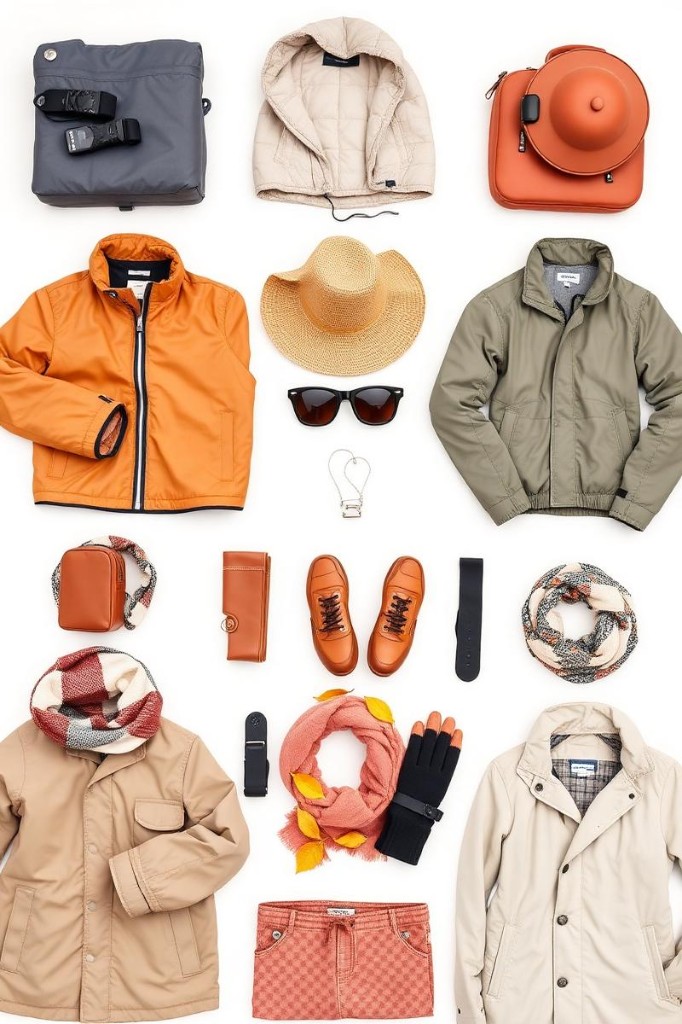
👕 Seasonal packing

Spring (March-May): • Comfortable walking shoes (garden cobblestones) • Light jacket for cool evenings • Compact umbrella • Light backpack for cameras

Summer (June-August): • Breathable and anti-UV clothing • Closed shoes (moisture-resistant) • Sturdy umbrella (heavy rain) • Portable fan • Reusable water bottle

Autumn (September-November): • Layerable clothing (temperature variations) • Non-slip shoes (damp leaves) • Waterproof windbreaker • Light gloves in late November

Winter (December-February): • Extreme cold gear (down to -5°C / 23°F possible) • Non-slip snow boots • Thermal underwear • Warm accessories (hat, gloves, scarf) • Disposable hand warmers
Travel clothing and gear by season

💰 Seasonal budget

PeriodCity Center Accommodation (€/night)Transport (€/day)Restaurants (€/day)Attractions (€)Attendance
Winter (Dec-Feb)45-808-1225-4015-25/site⭐⭐
Spring (Mar-May)80-15010-1530-5020-35/site⭐⭐⭐⭐⭐
Summer (Jun-Aug)60-1008-1225-4515-30/site⭐⭐⭐
Autumn (Sep-Nov)70-12010-1528-4518-30/site⭐⭐⭐⭐

💡 Money-saving tips

Kanazawa Cultural Pass: cost-effective after 3 attractions (30-40% savings) • Bento lunches vs evening restaurants (50% savings) • Peripheral accommodation + transport: -30% vs center • Numerous free festivals all year round • Hokuriku Regional JR Pass advantageous if circuit is extended

🏥 Health and precautions

Urban pollution: mask recommended in high-traffic zones • Spring allergies: antihistamines for cherry blossom pollen • Summer hydration: 2-3L/day, public fountains available • Cold protection: frostbite possible in winter • Intensive walking: suitable shoes (8-12km / 5-7.5mi average per day) • 24h pharmacies: rare, prepare a basic kit

Major Events

Kanazawa's essential event calendar

Cultural events punctuate life in Kanazawa and transform the urban experience, offering an authentic immersion into centuries-old Japanese traditions.

🌸 Hanami Festival (late March - early May)

The cherry blossom festival turns Kanazawa into a true Japanese postcard, with celebrations in all the city's parks and gardens. The urban atmosphere becomes festive with picnics under the sakura and night illuminations.

Location: Kenroku-en Garden, Kanazawa Castle, urban parks

Highlight: Night illuminations of the cherry blossoms creating a unique magical atmosphere

Climate Impact: Peak attendance, book accommodation 6 months in advance, prices doubled

Transport Access: Special tourist buses, crowded stations, walking recommended

Planning Tip: Booking accommodation and restaurants is mandatory starting in January

🎭 Hyakumangoku Festival (early June)

The largest historical festival in Kanazawa celebrates the legacy of the Maeda lords with parades in period costumes, traditional performances, and a grand historical reenactment in the city center streets.

Location: City center, castle, historic districts

Highlight: Parade of 2,000 participants in authentic Edo-period costumes

Climate Impact: Coincides with the rainy season, indoor events planned, lively urban atmosphere

Transport Access: City center closed to traffic, public transport reinforced

Planning Tip: Reserve prime spots for the parade, check the weather forecast

🍂 Momiji Festival (October - November)

Autumn colors are celebrated through special cultural events, temporary exhibitions, and night illuminations highlighting the flamboyant foliage of the gardens and temples.

Location: Kenroku-en, temples, traditional districts

Highlight: Unique combination of natural spectacle and cultural events

Climate Impact: Climatically ideal period, significant but manageable attendance, moderate rates

Transport Access: Optimal conditions, all transport operational

Planning Tip: Booking 2-3 months in advance is sufficient

Seasonal events

Spring: • Traditional Arts Festival (April-May, cultural centers) • Kenroku-en Flower Market (April) • Museum Night (May)

Summer: • Asano-gawa Matsuri (July, river) • Lantern Festival (August) • Traditional Bon Odori (mid-August)

Autumn: • Local Gastronomy Festival (September) • Cultural White Night (October) • Autumn Craft Market (November)

Winter: • Winter Illuminations (December-February) • Snow Festival (January-February) • Traditional Japanese New Year (January 1st, widespread closures)

Responsible Tourism

Adopt a respectful approach to Kanazawa by prioritizing sustainable tourism that preserves cultural authenticity and minimizes urban environmental impact.

Kanazawa promotes responsible cultural tourism: prioritize efficient public transport, support authentic local crafts rather than industrial souvenirs, respect gardens and temples, manage your waste according to strict Japanese rules, and avoid peak hours to reduce urban congestion.

🌱 Low-season advantages

Visiting Kanazawa in the low winter season significantly reduces tourist pressure, allows for a more authentic experience with locals, lowers your carbon footprint, and offers accessible rates while discovering the city's unique beauty under the snow.

♻️ Sustainable travel tips

Soft transport: electric bikes, city buses, walking prioritized • Local dining: neighborhood izakaya vs tourist chains • Eco-certified accommodation: traditional ryokan, environmental labels • Zero waste: reusable bottle, strict Japanese sorting • Alternative circuits: residential neighborhoods, local artisans • Cultural respect: temple etiquette, photography allowed

🏙️ Local sustainable initiatives

Kanazawa develops sustainable initiatives: electric bike sharing network, extended pedestrian zones in historic districts, urban greening program, reinforced recycling, daily local organic markets, ecotourism labels for traditional accommodation, and awareness-raising for heritage preservation.

Our Recommendations

Recommendations for your city trip to Kanazawa

After analyzing climatic data, tourist traffic, and cultural events, we offer personalized recommendations to optimize your discovery of Kanazawa. These tips incorporate weather variations, seasonal rates, and the authenticity of the experience based on your travel preferences.

🌟 Optimal Period

Recommended Months: April-May and October-November

Advantages:
• Ideal climate for urban exploration (15-25°C / 59-77°F)
• Exceptional natural spectacles (sakura/momiji)
• Intense cultural atmosphere with festivals
• Perfect conditions for photography
• All sites and transport operational

Key Events: Hanami (April), traditional festivals (May), autumn colors (October-November)

Disadvantages: High attendance in April, advance bookings necessary

Ideal Profile: First-time visitors, Japanese culture enthusiasts, photographers, couples

Stay Duration: 4-5 days recommended

⚖️ Interesting Alternative

Alternative Months: September and December-February

Description: September offers an excellent climate/attendance compromise, while winter reveals an authentic and magical Kanazawa under the snow with very attractive rates.

Specific Advantages: Fewer international tourists, accommodation prices -40%, authentic local experience, unique winter landscapes

For Whom: Experienced travelers, tight budgets, photography enthusiasts, looking for authenticity

👥 Tips for your travel style

Family: Spring/autumn, Higashi Chaya + Kenroku-en districts, tourist bus, peripheral family accommodation

Budget: Winter optimal, youth hostels, public transport, free sites, local restaurants

Culture: Any season depending on interests, priority museums, craft workshops, traditional festivals, authentic ryokan

Romantic: April (sakura) or October (momiji), luxury ryokan, private gardens, gourmet restaurants, night walks

Weekend: Autumn ideal (2-3 days), concentrated city center, efficient transport, priority major sites

First Trip: April-May recommended, English-speaking guide, iconic sites, complete experience, duration 4-5 days

❌ Periods to Avoid

Not Recommended: July-August (extreme heat/humidity), Golden Week early May (overcrowding)

Reasons: Temperatures exceeding 32°C / 90°F with high humidity, intense rainy season, prohibitive Golden Week accommodation prices, numerous closures during Obon (mid-August)

Nuances: Acceptable for heat-resistant travelers and fans of authentic summer festivals

Villes du même pays

All cities

Frequently Asked Questions

Find answers to essential questions to plan your city trip to Kanazawa according to optimal weather conditions.

What is the best month to visit Kanazawa?

April and October are the optimal months for Kanazawa. April offers the spectacle of cherry blossoms with pleasant temperatures (8-19°C / 46-66°F), while October features exceptional autumn colors and an ideal climate (13-22°C / 55-72°F). These periods combine favorable weather, major cultural events, and an authentic urban atmosphere, despite higher tourist attendance requiring advance bookings.

How many days should I plan for Kanazawa?

3 to 5 days is the ideal duration to discover Kanazawa. Three days allow you to visit essential sites (Kenroku-en, historic districts, main museums), while 4-5 days offer an in-depth exploration including craft workshops, peripheral excursions, and full cultural immersion. This duration adapts perfectly to weather variations by allowing you to reschedule certain outdoor activities if necessary.

What to do in Kanazawa when it rains?

Kanazawa excels in indoor cultural activities: 21st Century Museum of Contemporary Art, traditional tea houses in the Higashi Chaya district, National Crafts Museum, Omicho covered market, and Kutani pottery workshops. Underground galleries connect several sites, allowing for protected movement. Samurai houses also offer fascinating indoor tours, turning rainy days into opportunities for deep cultural immersion.

Which events should not be missed in Kanazawa?

Essential events include the Hanami Festival (late March-early May) for cherry blossoms, the Hyakumangoku Festival (early June) celebrating historical heritage with period costume parades, and the Momiji celebrations (October-November) highlighting autumn colors. In winter, illuminations transform the snow-covered city. Each season offers traditional matsuri, temporary exhibitions, and craft markets that enrich the urban cultural experience.

What budget should I plan for the season?

The budget varies significantly by season: €80-120/day in high season (April-May, October), €60-90/day in shoulder season (September, November, March), and €50-70/day in low season (December-February, July-August). These amounts include city-center accommodation, transport, meals, and main attractions. Winter offers the best rates (-40% on accommodation), while the sakura period requires a 30-50% higher budget with very early bookings to optimize costs.