When to visit Miyajima? City-Trip Guide

A sacred island with floating torii, Miyajima reveals its charms according to the Japanese seasons.

  • 1,900 inhabitants population
  • Japanese language
  • 150 days rainy days/year
  • April to May and October to November best time to visit
  • 2 to 3 days recommended stay

Climate of Miyajima

Understanding the subtropical climate of the sacred island

Miyajima enjoys a humid subtropical climate typical of southern Japan, influenced by its island position in Hiroshima Bay. The four distinct seasons offer unique atmospheres for discovering the famous Itsukushima torii.

  • Coastal Zone: Maritime influence moderating temperatures with refreshing breezes
  • Mountainous Zone: Cooler temperatures at altitude, ideal for hiking
  • Shrine Zone: Microclimate protected by dense vegetation
MonthMin Temp (°C / °F)Max Temp (°C / °F)Precip. (mm / in)Sun (h/day)Tourist TrafficRecommended Activities
January2°C / 36°F10°C / 50°F45mm / 1.8in5⭐⭐Shrines, hot springs
February3°C / 37°F11°C / 52°F65mm / 2.6in5⭐⭐Plum blossoms, temples
March6°C / 43°F15°C / 59°F105mm / 4.1in6⭐⭐⭐Hiking, photography
April11°C / 52°F21°C / 70°F125mm / 4.9in6⭐⭐⭐⭐⭐Cherry blossoms, torii, picnics
May16°C / 61°F25°C / 77°F140mm / 5.5in7⭐⭐⭐⭐Mount Misen hiking, festivals
June20°C / 68°F28°C / 82°F245mm / 9.6in5⭐⭐⭐Gardens, temple interiors
July24°C / 75°F32°C / 90°F230mm / 9.1in6⭐⭐⭐⭐Summer festivals, sunrise
August25°C / 77°F33°C / 91°F115mm / 4.5in7⭐⭐⭐⭐⭐Fireworks, swimming
September21°C / 70°F29°C / 84°F180mm / 7.1in6⭐⭐⭐Sunsets, typhoons
October15°C / 59°F23°C / 73°F85mm / 3.3in6⭐⭐⭐⭐Autumn colors, hiking
November9°C / 48°F18°C / 64°F65mm / 2.6in6⭐⭐⭐⭐⭐Red maples, photography
December4°C / 39°F13°C / 55°F35mm / 1.4in5⭐⭐Illuminations, contemplation

The island peaks at Mount Misen (535m / 1,755ft), where temperatures are 3-5°C / 5-9°F cooler than at sea level, creating a natural refuge during summer heat.

The Seasons

Must-sees by weather

Optimize your visit to Miyajima according to weather conditions by discovering attractions adapted to each climate situation.

☔ In cloudy/rainy weather

Indoor & protected

Rainy days reveal a contemplative side of Miyajima, perfect for exploring covered and spiritual spaces.

Recommended sites:
🏛️ Itsukushima Shrine (covered halls) - 2h - 300¥ - All year
🏛️ History and Folklore Museum - 1h30 - 300¥ - Closed Monday
🏛️ Daisho-in Temple (covered galleries) - 2h - Free - All year
🏛️ Miyajima Aquarium - 1h30 - 1420¥ - All year
🏛️ Treasure Museum - 1h - 300¥ - Sacred collections
☕ Traditional tea rooms - Variable - 500-2000¥ - Cultural experience

Practical tip: Book online to avoid queues and take advantage of museum-shrine combo passes.

Extra tip: Logically sequence covered sites from north to south to minimize travel in the rain.
☀️ In good weather

Optimal outdoor

The sun reveals all the natural splendor of Miyajima and its exceptional panoramas over Hiroshima Bay.

Recommended sites:
⛩️ Itsukushima Torii (low tide) - 1h - Free - Sunrise/sunset
🏔️ Mount Misen (ropeway + hiking) - 4-6h - 1800¥ - April-November
🌸 Momijidani Park - 2h - Free - Optimal spring/autumn
🏖️ Tsutsumigaura Beach - 2h - Free - Ideal summer
📸 Shishiiwa viewpoints - 1h - Free - Golden hour
🚶 West coastal path - 3h - Free - Morning recommended

Best time of day: Sunrise (6am-7am) and golden hour (5pm-6:30pm) for magical light on the torii.

Seasonal tip: Avoid July-August in the middle of the day (excessive heat), prefer April-May and October-November.

🌤️ Versatile for all weather

Flexible

These sites adapt perfectly to weather changes thanks to their mixed indoor-outdoor spaces.

Recommended sites:
🏛️ Daisho-in complex (caves + gardens) - 3h - Free
🏪 Omotesando shopping street - 2h - Variable - Shops + restaurants
🏛️ Full Itsukushima Shrine - 3h - 300¥ - Halls + outdoor

Weather tip: Start outdoors if the weather is uncertain, retreat to covered spaces if necessary.

Example itinerary: Morning at Mount Misen (if sunny), afternoon at Daisho-in and Omotesando (adaptable).

💰 Free or economical

No cost

Free sites:
⛩️ Itsukushima Torii (exterior) - Free
🌸 Momijidani Park - Free
🚶 Hiking trails - Free
📸 Panoramic viewpoints - Free

Free days: Some museums offer free access during special cultural events.

Budget tips: Picnics in parks, free tide watching, sunsets from the beach.

Practical Guide

Prepare your stay in Miyajima with our tips tailored to the specificities of this sacred Japanese island and its seasonal climate variations.

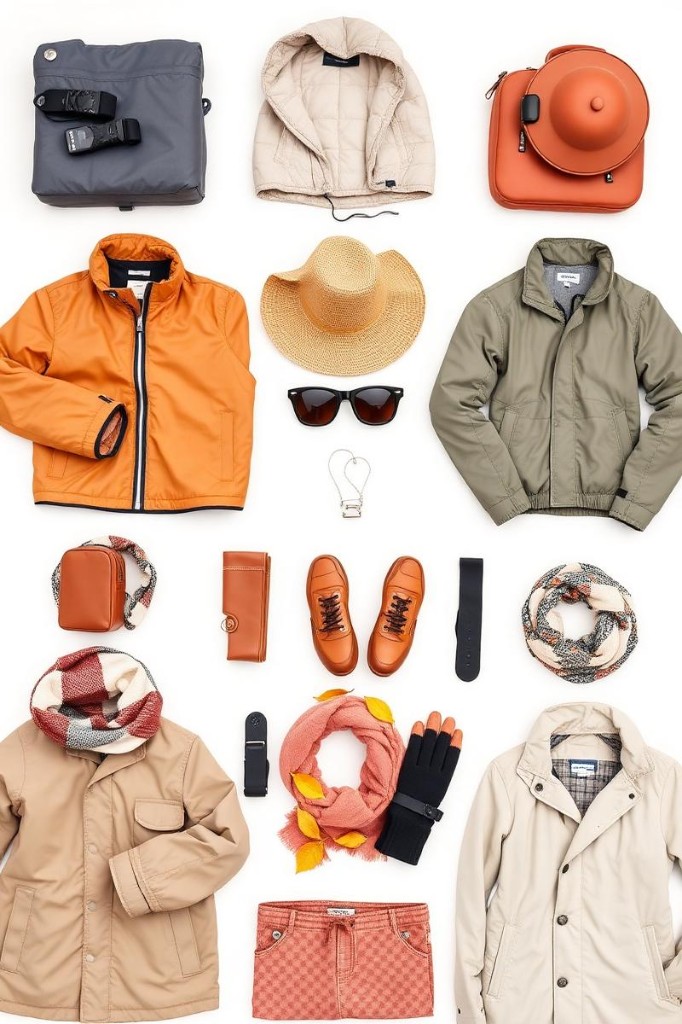
👕 Seasonal packing

Spring (March-May): • Comfortable walking shoes • Light jacket for cool evenings • Compact umbrella • Protected camera

Summer (June-August): • Breathable and light clothing • Enhanced sun protection • Sturdy umbrella (typhoons) • Non-slip shoes • Portable fan

Autumn (September-November): • Layerable clothing • Hiking shoes • Windbreaker • Light gloves for cool mornings

Winter (December-February): • Warm coat • Hat and scarf • Waterproof shoes • Disposable hand warmers • Thermos for hot drinks
Travel clothing and gear by season

💰 Seasonal budget

PeriodAccommodation (€/night)Transport (€/day)Restaurants (€/day)Attractions (€)Traffic
Winter (Dec-Feb)80-15015-2530-5020-40⭐⭐
Spring (Mar-May)150-30020-3040-7030-60⭐⭐⭐⭐⭐
Summer (Jun-Aug)120-22020-3035-6025-50⭐⭐⭐⭐
Autumn (Sep-Nov)140-25020-3040-6530-55⭐⭐⭐⭐

💡 Money-saving tips

JR Pass: Cost-effective if combined with other Japanese destinations • Local restaurants: Lunch is 30% cheaper than dinner • Hiroshima accommodation: Economical alternative with daily ferry • Attraction pass: Combined shrine-museum-ropeway • Picnics: Allowed in parks, significant savings

🏥 Health and precautions

Increased hydration in summer (heat + humidity) • UV protection: Reflection on the water • Suitable footwear: Slippery ground near shrines • Basic kit: Pharmacies are limited on the island • Allergies: Abundant pollen in spring • Intensive walking: Bring blister pads and plan rest

Cultural Events

Calendar of traditional Miyajima festivities

Miyajima's traditional festivals enrich the spiritual and cultural experience, transforming the atmosphere of the sacred island throughout the seasons.

🎭 Kangensai Festival (July-August)

The most prestigious festival in Miyajima, where traditional boats navigate around the torii to the sound of Japanese court music. A magical nocturnal spectacle with floating lanterns.

Location: Itsukushima Shrine and bay

Special feature: The only festival in the world celebrated on the water around a torii

Climate impact: High attendance, book accommodation 6 months in advance, hot summer temperatures

Transport access: Enhanced ferry service from Hiroshima, arrival 3 hours early recommended

Planning tip: Restaurant reservations and viewing positions are essential

🍁 Momiji-gari Festival (November)

A celebration of autumn colors with outdoor tea ceremonies and nighttime illuminations of maple trees. A unique contemplative atmosphere in the shrine gardens.

Location: Momijidani Park and Daisho-in Temple

Special feature: Special illuminations revealing red maples at night

Climate impact: Ideal cool temperatures, peak photography crowds, reservations recommended

Transport access: Standard ferries, avoid weekends for fewer crowds

Planning tip: Warm clothing for evenings, camera with extra battery

🌸 Hanami Festival (April)

Contemplation of cherry blossoms with traditional picnics under the sakura and spiritual ceremonies. An exceptional romantic and family atmosphere.

Location: Momijidani Park and shrine surroundings

Special feature: Centenary cherry trees framing the torii for unique photos

Climate impact: Unpredictable spring weather, maximum crowds, accommodation prices doubled

Transport access: Crowded ferries, early departure recommended (7am-8am)

Planning tip: Book 4-6 months in advance, have a backup plan for rain

Seasonal events

Spring: • Setsubun (February) - Demon chasing • Hina Matsuri (March) - Doll festival • Hanami (April) - Cherry blossoms

Summer: • Kangensai (July) - Water festival • Fireworks (August) - Night show • Bon Odori (August) - Traditional dances

Autumn: • Momiji-gari (November) - Autumn colors • Shichi-Go-San (November) - Children's blessing

Winter: • Illuminations (December-January) - Light decorations • Hatsumode (January) - First temple visit • Setsubun (February) - Spiritual purification

Responsible Tourism

Miyajima, a fragile sacred island, requires a respectful approach to preserve its exceptional spiritual and natural heritage in the face of growing tourist traffic.

Responsible tourism in Miyajima involves respecting Shinto traditions, protecting the unique island ecosystem, and supporting local communities. The island welcomes over 4 million visitors annually on only 30 km² / 11.6 sq mi.

🌱 Low-season advantages

Visiting in the winter low season reduces pressure on limited infrastructure, allows for an authentic spiritual experience, and supports the local economy during off-peak periods.

♻️ Sustainable travel tips

Public transport: JR Pass and public ferries rather than private tours • Local restaurants: Family ryokans vs hotel chains • Marked trails: Respect the sacred vegetation of Mount Misen • Waste: Carry out your trash (bins are rare) • Photography: Respect prohibitions in shrines • Off-peak hours: Visit early in the morning or late in the evening

🏙️ Local sustainable initiatives

The island is developing sustainable initiatives: electric ferries, marked ecological trails, programs for the preservation of sacred deer, enhanced recycling of tourist waste, and awareness-raising regarding respect for Shinto traditions.

Our Recommendations

Personalized tips for your stay in Miyajima

After analyzing climate data, tourist traffic, and cultural events, our recommendations guide you to the best periods according to your priorities: optimal weather, controlled budget, authentic experience, or discovering traditional Japanese festivals.

🌟 Optimal Period

Recommended months: April-May and October-November

Advantages:
• Ideal weather (15-25°C / 59-77°F) for all activities
• Spectacular blooms (cherry/maple)
• Perfect lighting for photography
• Authentic cultural festivals
• Optimal conditions for Mount Misen hiking

Key events: Hanami (April), Momiji-gari Festival (November)

Disadvantages: Maximum crowds, high accommodation prices

Ideal profile: First-time visitors, photographers, nature lovers

Stay duration: 2-3 days recommended

⚖️ Interesting Alternative

Alternative months: February-March and September

Description: Excellent compromise between acceptable weather conditions and moderate attendance, with more affordable rates.

Specific advantages: Fewer tourists, accommodation prices -30%, early blooms, more authentic experience

For whom: Budget travelers, those seeking authenticity, flexible on weather

👥 Tips for your travel style

Family: May or October, stay in Hiroshima, short activities, Mount Misen ropeway

Budget: January-February, Hiroshima hostels + ferry, picnics, free sites

Culture: April (hanami) or July (Kangensai), traditional ryokan, tea ceremonies

Romantic: April or November, sunsets, high-end ryokan, torii-view dinner

Weekend: Avoid spring/autumn, prefer winter, arrive Friday evening

First trip: April-May, English guide, JR Pass, 3 days minimum

⚠️ Periods to avoid

Recommended against: June (rainy season), August (heatwave)

Reasons: Intense rainfall disrupting outdoor visits, excessive heat (33°C+ / 91°F+), uncomfortable humidity, typhoon risk

Nuances: June is acceptable if on a tight budget and prioritizing indoor activities

Villes du même pays

All cities

Frequently Asked Questions

Answers to essential questions for planning your trip to Miyajima according to the climate.

What is the best month to visit Miyajima?

April and November offer optimal conditions with pleasant temperatures (15-25°C / 59-77°F), exceptional natural spectacles (cherry blossoms/maples), and ideal lighting. However, expect large crowds and high prices. For a good compromise, May and October maintain excellent conditions with fewer crowds.

How many days should I plan for Miyajima?

2 to 3 days allow you to discover the essentials without rushing: day 1 for the shrine and torii, day 2 for hiking Mount Misen, day 3 for secondary temples and local atmosphere. A shorter stay (1 day) is possible but may feel rushed, while 4-5 days are suitable for Japanese culture and hiking enthusiasts.

What to do in Miyajima in case of rain?

Rain reveals a contemplative side of Miyajima: explore the covered halls of Itsukushima Shrine, visit the History Museum, discover the galleries of Daisho-in Temple, or enjoy a traditional tea while watching the rain over the bay. The Miyajima Aquarium and Omotesando shops also offer pleasant refuges.

What events should not be missed in Miyajima?

The Kangensai festival (July) is unique in the world with its musical boats around the illuminated torii. In spring, hanami (April) under the centenary cherry trees creates a magical atmosphere. In autumn, the Momiji-gari festival (November) enhances the red maples with exceptional nighttime illuminations.

What budget should I plan for the different seasons?

In high season (April, November), expect 150-300€/night for accommodation, 40-70€/day for meals. In low season (winter), prices drop: 80-150€/night and 30-50€/day for dining. Add 30-60€ for attractions and transport. The JR Pass (280€/week) becomes cost-effective if combined with other Japanese destinations.