When to visit Japan? Complete Guide

From the subtropical climate of Okinawa to the snows of Hokkaido, discover the secrets of the four Japanese seasons.

  • 125 M population
  • Japanese language
  • 120 days rainy days/year
  • March to May and September to November best time to visit
  • 10 to 21 days recommended stay

Weather and Climate in Japan

Understanding Japan's temperate oceanic climate

Japan spans six distinct climatic zones, influenced by its island geography, ocean currents, and the Asian monsoon. This diversity offers varied experiences depending on the region and season.

  • Hokkaido: Cold continental climate with harsh winters and cool summers
  • Northern Honshu: Temperate climate with heavy snowfall on the Sea of Japan side
  • Central-Southern Honshu: Temperate oceanic climate with distinct seasons
  • Kyushu: Humid subtropical climate with hot summers and mild winters
  • Okinawa: Tropical climate with constant temperatures year-round
  • Mountain ranges: Alpine climate with variations based on altitude
MonthTemperature (°C / °F)Precipitation (mm / in)Conditions
January2-10°C / 36-50°F50mm / 2.0inCold and dry, snow in the north
February3-11°C / 37-52°F60mm / 2.4inLate winter, first blossoms
March6-14°C / 43-57°F120mm / 4.7inEarly spring, sakura
April11-20°C / 52-68°F130mm / 5.1inIdeal spring
May16-25°C / 61-77°F140mm / 5.5inPerfect weather
June20-28°C / 68-82°F180mm / 7.1inStart of rainy season
July24-32°C / 75-90°F160mm / 6.3inHot and humid summer
August25-33°C / 77-91°F150mm / 5.9inPeak heat
September21-28°C / 70-82°F210mm / 8.3inTyphoons possible
October15-22°C / 59-72°F100mm / 3.9inBeautiful autumn
November9-17°C / 48-63°F70mm / 2.8inAutumn colors
December4-12°C / 39-54°F50mm / 2.0inStart of dry winter

Altitude variations create distinct microclimates, particularly in the Japanese Alps where temperatures drop by 6°C / 10.8°F every 1000 meters / 3281 feet.

The Four Seasons

Climate by Region of Japan

Each region of Japan has its own climatic specificities, influenced by latitude, altitude, and exposure to air masses. This diversity allows you to find the ideal destination according to your meteorological preferences.

🗾 Hokkaido

The northernmost island offers a continental climate with harsh winters and cool summers. Hokkaido escapes the rainy season and typhoons, benefiting from a drier climate than the rest of Japan.

PeriodWeatherTemperatureActivities
WinterHeavy snow-10°C to 2°C / 14-36°FSkiing, snow festivals
SpringLate but beautiful5°C to 15°C / 41-59°FSakura in May
SummerCool and dry15°C to 25°C / 59-77°FHiking, lavender
AutumnShort but colorful5°C to 20°C / 41-68°FFoliage, gastronomy

Specifics: No rainy season, exceptional quality snow, summers without stifling heat.

🏔️ Northern Honshu (Tohoku)

This mountainous region experiences harsh winters with heavy snowfall on the Sea of Japan side, while the Pacific coast remains drier. Summers are warm but less humid than in the south.

PeriodWeatherTemperatureActivities
WinterRecord snow on west side-5°C to 5°C / 23-41°FSkiing, onsen, festivals
SpringSakura in late April8°C to 18°C / 46-64°FHanami, temples
SummerWarm but bearable18°C to 28°C / 64-82°FFestivals, mountains
AutumnEarly colors8°C to 22°C / 46-72°FMomiji, hiking

Specifics: Striking contrast between east and west coasts, early and spectacular autumn.

🏙️ Central Honshu (Kanto-Kansai)

The economic heart of Japan including Tokyo and Osaka, this region enjoys a temperate oceanic climate with four distinct seasons. It is the climatic reference for Japan for most travelers.

PeriodWeatherTemperatureActivities
WinterDry and sunny2°C to 12°C / 36-54°FUrban visits, illuminations
SpringSakura in early April10°C to 22°C / 50-72°FHanami, gardens
SummerHot and humid22°C to 32°C / 72-90°FFestivals, air conditioning
AutumnIdeal Oct-Nov12°C to 25°C / 54-77°FMomiji, gastronomy

Specifics: Urban heat island, marked rainy season, extended autumn.

🌺 Kyushu and Okinawa

Southern Japan offers a subtropical climate with mild winters and hot, humid summers. Okinawa benefits from a tropical climate with constant temperatures.

PeriodWeatherTemperatureActivities
WinterMild and pleasant8°C to 18°C / 46-64°FOkinawa beaches, onsen
SpringEarly sakura in March15°C to 25°C / 59-77°FHanami, hiking
SummerVery hot and humid25°C to 35°C / 77-95°FBeaches, diving
AutumnExtended and warm18°C to 28°C / 64-82°FTyphoons, but pleasant

Specifics: Extended beach season, high typhoon risk, tropical vegetation.

Practical Guide for Japan

Packing for Japan requires anticipating significant climatic variations depending on the season and region. Here are our practical recommendations for a comfortable and budget-friendly trip.

👕 Seasonal packing

Spring (March-May):

  • Layered clothing (sweater, light jacket)
  • Raincoat for showers
  • Comfortable walking shoes
  • Sun protection

Summer (June-August):

  • Light and breathable clothing
  • Compact umbrella (rainy season)
  • High-protection sunscreen
  • Anti-UV clothing
  • Portable fan

Autumn (September-November):

  • Mid-season jacket
  • Sweaters for evenings
  • Good hiking shoes
  • Light windbreaker

Winter (December-February):

  • Warm coat (down jacket)
  • Thermal underwear
  • Hat, gloves, scarf
  • Non-slip shoes
  • Disposable hand warmers
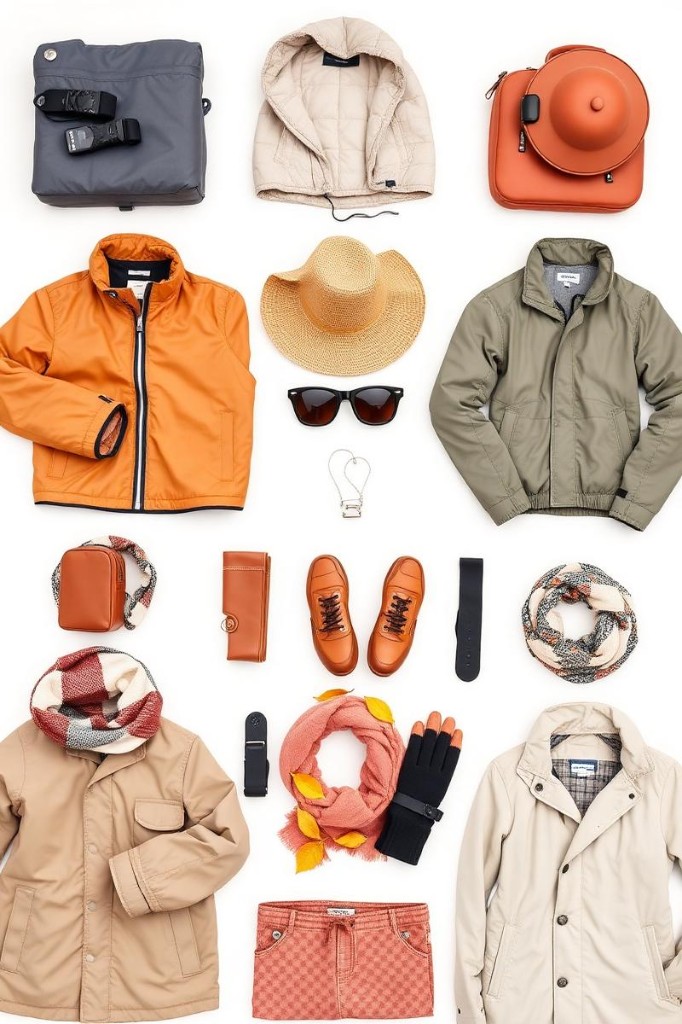
Travel clothing and gear by season

💰 Seasonal budget

PeriodAccommodation (€)Transport (€)Activities (€)Crowds (/5)Budget Tips
Winter (Dec-Feb)60-120400-60030-502/5Best prices, avoid New Year
Spring (Mar-May)100-200600-90040-705/5Book 6 months in advance
Summer (Jun-Aug)80-150500-75035-604/5Avoid Obon (mid-August)
Autumn (Sep-Nov)90-170500-70035-554/5October is pricier, November is optimal

💡 Money-saving tips

  • Avoid Golden Week (late April-early May): prices double and crowds are significant
  • Book in winter to benefit from the best rates on flights and accommodation
  • Take advantage of autumn promotions after the typhoon season (October-November)
  • Use the JR Pass, which is cost-effective from 3 long-distance trips
  • Stay in a ryokan off-season to discover Japanese hospitality at a reduced price

🏥 Health and precautions

Health precautions by season:

  • Spring: Cedar pollen allergies, increasing UV protection
  • Summer: Risk of dehydration and heatstroke, protection against mosquitoes
  • Autumn: Temperature changes, immune system support
  • Winter: Dry air, skin hydration, cold prevention
  • Year-round: Travel insurance recommended, first-aid kit, personal medication
  • Vaccinations: None mandatory, universal vaccine updates advised

Events & Festivals in Japan

Cultural calendar and must-see festivities in Japan

Japanese festivals punctuate the seasons and offer an authentic immersion into Japanese culture, with each event being closely linked to weather conditions.

🌸 Hanami - Cherry Blossom Viewing (March-May)

More than just a festival, hanami is a true Japanese institution celebrating the fleeting beauty of sakura. Families and friends gather under the blooming cherry trees for festive picnics, creating a unique atmosphere of collective joy.

Location: Throughout Japan, particularly Tokyo (Ueno, Shinjuku), Kyoto (Maruyama), Osaka (Osaka Castle)

Special feature: A national phenomenon tracked daily by weather reports, with bloom forecasts region by region

Climate impact: Totally dependent on weather conditions; blooming can vary by 2 weeks depending on the year

🎆 Summer Matsuri Festivals (July-August)

Summer matsuri transform cities into theaters of popular joy with processions, fireworks, and street stalls. These festivals provide a way to escape the summer heat in a festive and refreshing atmosphere.

Location: Gion Matsuri (Kyoto), Tenjin Matsuri (Osaka), Sumida River Fireworks (Tokyo)

Special feature: Millennial tradition combining Shinto spirituality and popular entertainment

Climate impact: Organized during the evenings to escape the heat; often postponed in case of typhoons

🍁 Momiji-gari - Autumn Leaf Hunting (October-November)

The autumnal counterpart to hanami, momiji-gari celebrates the flaming colors of Japanese maples. This age-old tradition draws Japanese people to temples and mountains to admire the red and gold palette of autumn.

Location: Kyoto (Kiyomizu-dera), Nikko, Mount Fuji, Arashiyama

Special feature: Timing is crucial as the optimal colors only last 2-3 weeks

Climate impact: Dependent on the first frosts and humidity; a phenomenon tracked by specialized forecasts

Seasonal events

Spring: • Golden Week (late April-early May) • Kanda Festival (May) • Aoi Matsuri Kyoto (May)

Summer: • Tanabata (July) • Obon (mid-August) • Awa Odori Earth Festival (August)

Autumn: • Chrysanthemum Festival (October) • Shichi-Go-San (November) • Autumn Illuminations (November)

Winter: • New Year Oshogatsu (January) • Sapporo Snow Festival (February) • Plum Blossom Festival (February-March)

Responsible Travel in Japan

Japan, a pioneer in environmental matters, invites you to respectful tourism of its fragile ecosystems and millennial seasonal traditions.

Traveling responsibly in Japan means respecting the natural cycles that punctuate local life: avoiding wildlife breeding periods, minimizing impact on fragile natural sites, and supporting local communities.

🌱 Low-season advantages

Choosing the low season (winter and early summer) significantly reduces your carbon footprint while supporting a more balanced and less concentrated tourism economy.

♻️ Sustainable travel tips

  • Use public transport: the Japanese railway network is exemplary in energy efficiency
  • Respect Japanese waste sorting, which is very strict and precise depending on the region
  • Prioritize traditional ryokans that practice sustainable hospitality
  • Avoid food waste: order according to your appetite in restaurants
  • Respect seasonal wildlife: keep your distance from wild animals
  • Save water, especially during the dry winter periods

🏙️ Local sustainable initiatives

Japan is actively developing marine conservation projects in Okinawa, post-tsunami reforestation programs, and community-based tourism initiatives in rural mountain villages.

Our Expert Recommendations

Expert recommendations for your trip to Japan

After analyzing 30 years of climate data and drawing on our field experience, here are our personalized recommendations to optimize your discovery of Japan. Each tip is based on precise meteorological criteria and the experience of thousands of travelers.

🌟 Optimal Period: October - November

Recommended months: October and November

Advantages:

  • Ideal temperatures (15-22°C / 59-72°F)
  • Low rainfall (70-100mm / 2.8-3.9in)
  • Spectacular autumn colors
  • Fewer crowds than in spring
  • More affordable prices

Disadvantages:

  • Low risk of late typhoon in October

Ideal profile: Perfect for all types of travelers, especially photographers and nature lovers

⚖️ Balanced Alternative: March - April

Alternative months: March and April

Description: Despite the crowds, spring offers a unique cultural experience with the cherry blossom season

Specific advantages:

  • Authentic hanami experience
  • Nature waking up after winter
  • Pleasant rising temperatures
  • National festive atmosphere

👥 Tips for your travel style

👨‍👩‍👧‍👦 Family: Prioritize October-November or March for mild temperatures. Avoid July-August (too hot for children).

💰 Budget: January-February offer the best prices. Absolutely avoid Golden Week and Obon.

🎒 Adventure: Summer for mountains and hiking, winter for skiing in Hokkaido. Autumn for trekking and photography.

💎 Luxury: Spring in high-end ryokans despite high prices. Autumn for optimal gastronomic experience.

📸 Photographer: Spring (sakura) and autumn (momiji) are essential. Winter in Hokkaido for unique snowy landscapes.

❌ Periods to Avoid

Golden Week (late April - early May): Prices doubled, significant crowds, reservations impossible

Obon (mid-August): Extreme heat, maximum humidity, national holidays

New Year (Dec 29 - Jan 3): General closures, disrupted transport

Cities to explore

Discover the must-sees of urban travel

All cities

Frequently Asked Questions

Find answers to essential questions to perfectly plan your trip to Japan according to the climate.

What is truly the best time to visit Japan?

Autumn (October-November) offers the best compromise: pleasant temperatures of 15-22°C / 59-72°F, low rainfall, spectacular colors, and fewer crowds than in spring. Spring (March-May) remains magical for cherry blossoms but is more expensive and crowded.

Can you visit Japan in winter?

Absolutely! Winter is ideal for skiing in Hokkaido, soaking in hot spring onsens, and discovering Tokyo under a dry and sunny climate (2-12°C / 36-54°F). It is the most economical season with up to 40% savings possible.

How can I avoid the rainy season and typhoons?

The rainy season (tsuyu) lasts from June to July. Typhoons are most frequent from August to October. To avoid them, visit in April-May, November-March, or choose Hokkaido, which escapes these phenomena.

What budget should I plan for each season?

Winter: €60-€120/night for accommodation. Spring (high season): €100-€200/night. Summer and autumn: €80-€170/night. Add €400-€900 for flights depending on the period. Golden Week can double prices.

When can I see cherry blossoms in Japan?

Sakura blooming follows a south-to-north gradient: Okinawa in late January, Kyushu in early March, Tokyo/Kyoto in late March-early April, Tohoku in late April, Hokkaido in early May. Full bloom lasts only 1 week.