When to visit Tokyo? City-Trip Guide

Between ancient traditions and futuristic modernity, Tokyo transforms with the rhythm of the seasons.

  • 14 M population
  • Japanese language
  • 106 days rainy days/year
  • March to May and September to November best time to visit
  • 4 to 7 days recommended stay

Climate and Weather in Tokyo

Understanding Tokyo's Humid Subtropical Climate

Tokyo enjoys a humid subtropical climate with four distinct seasons. The metropolis experiences an urban heat island effect that intensifies summer temperatures. Its geographical position exposes it to autumn typhoons and dry but chilly winters, which significantly influence the city-trip experience.

  • Urban Center: Temperatures 2-3°C / 3.6-5.4°F higher than the suburbs
  • Tokyo Bay: Maritime influence moderating thermal extremes
  • Western Districts: Slightly cooler and less humid
MonthMin Temp (°C / °F)Max Temp (°C / °F)Precipitation (mm)Sunshine (h/day)Tourist TrafficRecommended Activities
January2°C / 36°F10°C / 50°F526⭐⭐Museums, temples, shopping
February3°C / 37°F10°C / 50°F566⭐⭐Plum blossoms, illuminations
March6°C / 43°F14°C / 57°F1176⭐⭐⭐Sakura preparation, parks
April11°C / 52°F19°C / 66°F1246⭐⭐⭐⭐⭐Hanami, gardens, terraces
May16°C / 61°F24°C / 75°F1386⭐⭐⭐⭐Festivals, urban walks
June19°C / 66°F27°C / 81°F1684⭐⭐⭐Museums, shopping malls
July23°C / 73°F30°C / 86°F1544⭐⭐⭐Summer festivals, air-conditioned spots
August24°C / 75°F31°C / 88°F1685⭐⭐⭐Matsuri, water parks
September20°C / 68°F27°C / 81°F2104⭐⭐⭐Possible typhoons, indoor activities
October14°C / 57°F22°C / 72°F1985⭐⭐⭐⭐Koyo, autumn walks
November9°C / 48°F17°C / 63°F936⭐⭐⭐⭐⭐Foliage, temples, gardens
December4°C / 39°F12°C / 54°F516⭐⭐⭐Illuminations, shopping

Tokyo is primarily located on a plain with negligible altitude variations. However, urban parks like Ueno or Shinjuku offer microclimates that are 1-2°C / 1.8-3.6°F cooler due to dense vegetation.

Seasons in Tokyo

Must-sees by Weather

Tokyo offers a multitude of attractions adapted to every weather condition, allowing you to optimize your urban stay regardless of the climate.

☔ In cloudy/rainy weather

Indoor & Protected

Rainy days reveal the underground Tokyo and its indoor wonders, perfect for total cultural immersion.


Must-see sites:
🏛️ Tokyo National Museum (3h, 1000¥, all year)
🛍️ Shibuya Sky and shopping malls (2h, 1800¥, avoid weekends)
🏯 East Imperial Palace (1h30, free, closed Mon/Fri)
🎌 Senso-ji with covered galleries (2h, free, early morning)
🎭 Kabuki-za Theater (3h, 4000-20000¥, booking required)
🍜 Depachika and food courts (1h, variable, 11 AM-8 PM)
🎯 TeamLab Borderless (3h, 3200¥, reservation mandatory)
🏪 Tokyo Station and its galleries (2h, free, avoid rush hour)


Practical tip: Book TeamLab online several weeks in advance. National museums offer advantageous combined passes.

Additional tip: Link Ueno (museums) then Asakusa (covered temples) via the Ginza line for a logical sheltered route.

☀️ In good weather

Optimal Outdoors

The sun reveals the beauty of Tokyo gardens and offers exceptional panoramas from urban observatories.


Outdoor sites:
🌸 Ueno Park and Zoo (3h, 600¥, from 9:30 AM)
🏔️ Tokyo Skytree and surroundings (2h, 2100¥, sunset)
🌿 East Imperial Palace Gardens (2h, free, 9 AM-4 PM)
🌊 Odaiba and artificial beaches (4h, free, afternoon)
⛩️ Meiji Shrine and forest (1h30, free, early morning)
🌹 Hamarikyu Gardens (1h, 300¥, golden hour)
🏮 Traditional Yanaka district (2h, free, morning)
🌙 Tokyo Tower and terraces (1h30, 1200¥, night)


Best time of day: Sunrise at Tsukiji market (5 AM), golden hour from Tokyo Skytree (5 PM-6 PM depending on season)

Seasonal tip: Avoid July-August for gardens (heatwave), prioritize April-May and October-November

🌤️ Versatile for all weather

Flexible

These sites combine covered and open spaces, perfect for adapting to Tokyo's weather changes.

Combined sites:
🏬 Ginza (shopping + galleries + parks) - 4h
🍣 Tsukiji (covered market + outdoor) - 2h
🎪 Harajuku (boutiques + Yoyogi park) - 3h
🏛️ Roppongi (museums + terraces + nightlife) - 5h
🌆 Shibuya (centers + observatories + streets) - 3h


Weather tip: Start outdoors if the morning is sunny, retreat indoors if weather degrades

Example itinerary: Tsukiji Market (6 AM) → Ginza shopping (10 AM) → Imperial Palace if sunny or museums if rainy (2 PM) → Shibuya sunset (5 PM)

💰 Free or economical

No Cost

Free sites:
⛩️ All major shrines and temples
🏛️ Free Tokyo Metropolitan Building Observatory
🌸 All public parks (Ueno, Yoyogi, Shinjuku)
🎌 Traditional districts (Asakusa, Yanaka)
🌊 Odaiba and Rainbow Bridge walks


Free days: National museums free on certain Sundays, Imperial Gardens free on April 29 and November 3

Budget tips: Convenience store bentos (500¥), free vs paid observatories, daily transport pass (800¥), izakaya happy hours

Practical Guide

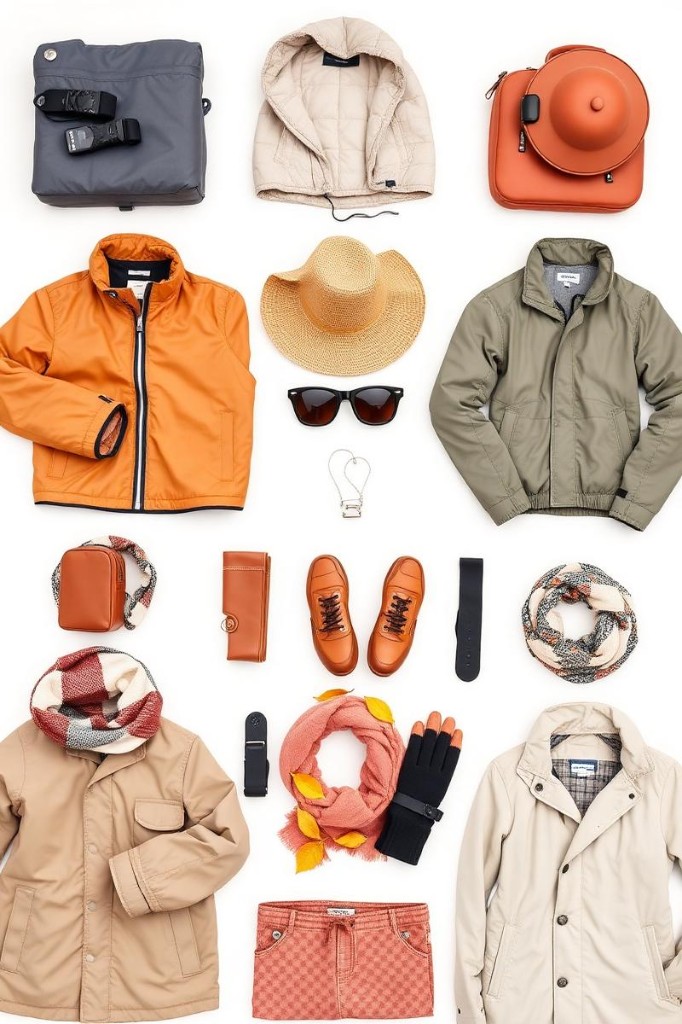
Tokyo requires preparation adapted to significant climate variations and the specifics of this dense megalopolis. Temperature changes between air-conditioned interiors and the urban outdoors require a modular wardrobe to optimize your comfort during long days of walking.

👕 Seasonal packing

Spring: • Comfortable walking shoes • Light jacket for cool evenings • Compact umbrella for sudden rain • Light day backpack • Layerable clothing

Summer: • Breathable, moisture-wicking clothing • Airy shoes for intensive walking • Sturdy umbrella for rainy season • Sun protection cap • Light jacket for air conditioning • Reusable water bottle

Autumn: • Waterproof shoes • Windbreaker for typhoons • Reinforced umbrella • Light scarf for evenings • Camera rain protection

Winter: • Warm but light coat • Non-slip shoes • Touchscreen gloves • Windproof beanie • Thermal layers • Hand warmers
Travel clothing and gear by season

💰 Seasonal budget

PeriodCenter Accommodation (€/night)Transport (€/day)Restaurants (€/day)Attractions (€)Crowds
Winter (Dec-Feb)80-1501235-6025⭐⭐
Spring (Mar-May)120-2501240-7030⭐⭐⭐⭐⭐
Summer (Jun-Aug)100-1801235-6525⭐⭐⭐
Autumn (Sep-Nov)110-2001240-6528⭐⭐⭐⭐

💡 Money-saving tips

Tokyo Metro Pass 72h (1590¥) cost-effective from 6 trips • Lunch restaurants 30-50% cheaper than dinner • Accommodation Asakusa/Ueno districts 40% cheaper than Shibuya • Convenience stores for budget meals (500-800¥) • Izakaya happy hours 5 PM-7 PM with discounted drinks

🏥 Health and precautions

Urban pollution: mask recommended during spring pollution peaks • Allergies: intense cedar pollen February-April • Hydration: 2L/day minimum in summer with high humidity • Urban cold: wind between buildings accentuates the chill • Intensive walking: 15-20km / 9-12 miles per day average, wear suitable shoes • 24h Pharmacies: Don Quijote main chains in major districts

Urban Events

Tokyo's Essential Events Calendar

Events shape life in Tokyo and transform the urban atmosphere, creating unique experiences depending on the season and significantly influencing tourist numbers.

🌸 Hanami - Cherry Blossom Season (late March - early May)

The most iconic event turns Tokyo into a giant festival. Ueno, Shinjuku, and Chidorigafuchi parks become pilgrimage sites where tourists and locals mingle in a unique collective euphoria. The festive atmosphere takes over the whole city with picnics under the sakura trees.

Location: All Tokyo parks, concentrated in Ueno and Shinjuku Gyoen

Special feature: A total social phenomenon involving the entire population

Climate impact: Record crowds, hotel bookings 6 months in advance, tripled prices, significant crowds

Transport access: All JR lines, avoid rush hours

Anticipation tip: Book accommodation from the previous October, plan for increased budgets

🎆 Summer Festivals - Matsuri (July-August)

Traditional festivals ignite Tokyo with mikoshi processions, giant fireworks, and street stalls. The Sumida River Fireworks and neighborhood matsuri create a magical atmosphere despite the summer heat, revealing the traditional soul of the modern megalopolis.

Location: Sumida River, Asakusa, all districts

Special feature: Japan's largest fireworks display (20,000 shells)

Climate impact: Huge crowds despite heat, saturated transport, festive nocturnal atmosphere

Transport access: JR Sobu lines, Ginza subway toward Asakusa

Anticipation tip: Arrive 3 hours early, plan for hydration, yukata rental recommended

✨ Winter Illuminations (November-February)

Tokyo transforms into a luminous wonderland with over 50 sites illuminated simultaneously. Shibuya, Roppongi, and Marunouchi compete in creativity to create spectacular installations that contrast beautifully with the urban architecture, warming up the winter atmosphere.

Location: Marunouchi, Shibuya, Roppongi, Tokyo Station

Special feature: Over 1.2 million coordinated LEDs

Climate impact: Moderate tourist influx, romantic atmosphere, intensified shopping

Transport access: All main lines, smooth traffic

Anticipation tip: Best time is 5 PM - 8 PM, weekends are more crowded

Seasonal events

Spring: • Golden Week festivals (April 29-May 5) • Kanda Matsuri (mid-May in odd-numbered years) • Children's Day celebrations (May 5)

Summer: • Tanabata Festival (July 7) • Obon celebrations (mid-August) • Weekly neighborhood festivals

Autumn: • Tokyo International Film Festival (October) • Culture Day events (November 3) • Chrysanthemum Festival (November)

Winter: • Traditional New Year (January 1-3) • Setsubun Festival (February 3) • Japanese Valentine's Day (February 14)

Responsible City-Trip

Tokyo, a megalopolis of 14 million inhabitants, requires a responsible approach to urban tourism. Your seasonal choices directly impact urban congestion and the local environment.

Responsible tourism in Tokyo prioritizes exemplary public transport, traditional local businesses over international chains, and respect for Japanese social codes. Rigorous management of urban waste and avoiding rush hours contribute to the well-being of Tokyo residents.

🌱 Low-season advantages

Visiting Tokyo outside peak tourist times (January-February, June-July) reduces pressure on transport, allows for an authentic experience of local life, offers attractive rates, and significantly decreases your urban carbon footprint.

♻️ Sustainable travel tips

• Prioritize public transport and cycling over taxis • Choose local restaurants and traditional izakayas • Opt for environmentally certified accommodation • Reduce plastic with a reusable bottle • Favor walking and avoid short transport trips • Explore alternative, less touristy districts

🏙️ Local sustainable initiatives

Tokyo is developing a network of shared bicycles (Docomo Bike Share), expanding its pedestrian zones, multiplying urban green spaces, and strengthening its advanced recycling system. Local organic markets and ecotourism labels are growing in all wards.

Our Recommendations

Recommendations for your Tokyo city-trip

After analyzing climate data, tourist traffic, and cultural events, our recommendations adapt to your priorities. Tokyo offers radically different experiences depending on the season: magical spring but crowded, festive but stifling summer, serene and photogenic autumn, economical and bright winter. The choice depends on your tolerance for crowds, your budget, and your interests.

🌸 Optimal Period: April-May and October-November

Recommended months: April, May, October, November

Advantages:
• Ideal temperatures 15-25°C / 59-77°F for urban walking
• Exceptional natural spectacles (sakura/koyo)
• Perfect photographic light
• Major cultural events
• Urban atmosphere at its peak

Key events: Hanami parties, Golden Week festivals, autumn illuminations

Disadvantages: Maximum crowds in April, high accommodation prices

Ideal profile: First visit, couples, photographers, Japanese culture enthusiasts

Stay duration: 5-7 days recommended

🌿 Interesting Alternative: January-February

Alternative months: January, February

Description: The Tokyo winter reveals an intimate side with its magical illuminations, soft prices, and authenticity preserved from tourist crowds.

Specific advantages: Accommodation rates -40%, spectacular illuminations, authentic local experience, quiet museums

For whom: Budget travelers, shopping enthusiasts, culinary discovery, cultural stays

👥 Tips for your travel style

Family: April-May or October, Ueno/Asakusa districts, parks and zoos, accessible transport, spacious Shinjuku accommodation

Budget: January-February, Asakusa/Sumida districts, youth hostels, convenience stores, free attractions, 72h transport pass

Culture: All year avoiding July-August, traditional Yanaka/Asakusa districts, national museums, theaters, ryokan experience

Romantic: April sakura or December illuminations, Ginza/Roppongi districts, gourmet restaurants, boutique hotels, bay cruises

Weekend: Avoid Golden Week, central Shibuya/Harajuku districts, major attractions, hotels near main stations

First trip: April-May or October-November, classic Asakusa-Shibuya-Harajuku circuit, English-speaking guides, international Shinjuku hotels

⚠️ Periods to avoid: July-August

Not recommended months: July, August

Reasons: Stifling heat 30°C+ / 86°F+ with 80% humidity, intense rainy season, urban walking discomfort, excessive air conditioning

Nuances: Acceptable for traditional festival enthusiasts and young travelers resistant to heat

Villes du même pays

All cities

Frequently Asked Questions

Answers to essential questions for planning your Tokyo city-trip based on climate and urban specifics.

What is the best month to visit Tokyo?

April and November offer the optimal balance. April combines magical sakura and perfect temperatures (19°C / 66°F) despite the crowds. November offers autumn foliage, pleasant climate (17°C / 63°F), and fewer tourists. May remains excellent with 24°C / 75°F and Golden Week festivals. Avoid July-August (stifling heat) and prioritize October for an ideal weather-crowd compromise.

How many days should I plan for Tokyo?

5 to 7 days minimum to discover the essentials: iconic districts (Shibuya, Harajuku, Asakusa), major attractions (temples, museums, observatories), and cultural experiences. 3-4 days are suitable for an intensive first glimpse. 10 days allow you to explore authentic neighborhoods and excursions (Nikko, Kamakura). The urban density requires time to soak up the unique atmosphere.

What to do in Tokyo when it rains?

Tokyo excels in rainy weather! Explore the massive underground network connecting stations and shopping malls. Visit exceptional museums (National Museum, teamLab), multi-story shopping centers (Shibuya Sky, Ginza), temples with covered galleries (Senso-ji), depachika (underground food courts), and urban onsen. Art galleries and kabuki theaters offer unique cultural experiences under cover.

Which events should not be missed in Tokyo?

Hanami (March-May) is a must for the unique collective atmosphere. Summer festivals (July-August) reveal the traditional soul with giant fireworks. Winter illuminations (November-February) transform the city into a fairyland. Golden Week (late April) concentrates several festivals. Each season offers authentic neighborhood matsuri and major cultural events depending on your dates.

What budget should I plan according to the season?

Daily budget winter (Dec-Feb): €120-180 with accommodation €80-150/night. Spring (Mar-May): €160-250, accommodation €120-250 (peaks in April). Summer (Jun-Aug): €140-200, accommodation €100-180. Autumn: €150-220, accommodation €110-200. Add transport €12/day, meals €35-70, attractions €25-30. Savings: convenience stores, lunch sets, peripheral districts, transport passes.