When to visit Sapporo? City-Trip Guide

From the white magic of the Snow Festival to lively summer nights, Sapporo reinvents itself every season.

  • 1.97 million population
  • Japanese language
  • 130 days/year rainy days/year
  • June to September best time to visit
  • 3 to 5 days recommended stay

Weather Trends and Climate in Sapporo

Understanding Sapporo's humid continental and snowy climate

Sapporo enjoys a humid continental climate, characterized by harsh, snowy winters and mild, pleasant summers. Located at 43° North latitude, the capital of Hokkaido is sheltered by surrounding mountains while receiving abundant snowfall. Its dense urban fabric creates a slight heat island effect, making city strolls accessible even during the shoulder seasons.

MonthMin Temp (°C / °F)Max Temp (°C / °F)Precip. (mm / in)Sun (h/day)CrowdsRecommended Activities
January-11°C / 12°F-2°C / 28°F113 / 4.42★★★★Winter sports, galleries, museums
February-10°C / 14°F-1°C / 30°F94 / 3.73★★★★★Snow Festival, ice sculptures
March-5°C / 23°F5°C / 41°F77 / 3.04★★Late-season skiing, onsen, museums
April2°C / 36°F13°C / 55°F56 / 2.25★★Cherry blossoms, parks, botanical gardens
May8°C / 46°F19°C / 66°F61 / 2.46★★★Urban walks, markets, terraces
June13°C / 55°F23°C / 73°F68 / 2.75★★★Yosakoi Soran Festival, flower parks
July18°C / 64°F27°C / 81°F81 / 3.25★★★★Beer Garden, Odori Park, excursions
August19°C / 66°F29°C / 84°F123 / 4.86★★★★★Summer festivals, nightlife
September14°C / 57°F23°C / 73°F135 / 5.35★★★★Autumn Feast, early foliage
October7°C / 45°F16°C / 61°F108 / 4.34★★★Autumn colors, gastronomy
November1°C / 34°F7°C / 45°F104 / 4.12★★Illuminations, shopping, breweries
December-7°C / 19°F0°C / 32°F111 / 4.42★★★Christmas markets, first snow

Seasons in Sapporo

Must-sees by weather

Sapporo is full of remarkable sites adapted to all weather conditions. Whether it snows, blows, or bright sunshine illuminates Hokkaido, the city knows how to welcome you and make you live a memorable experience in every season.

☔ In cloudy or rainy weather

Indoor & protected: the best of Sapporo under cover

Sapporo has an exceptional underground pedestrian network and a remarkable concentration of museums and indoor spaces, ideal for gray days.

  • 🍺 Sapporo Beer Museum — 60 to 90 min — Free admission (tasting for a fee) — Open all year. The temple of Sapporo Beer in the heart of a historic red brick brewery.
  • 🎭 Hokkaido Museum — 2 to 3 h — 600 ¥ — Open all year. Complete history of Hokkaido and its Ainu peoples in a modern museum setting.
  • 🌿 Hokkaido University Botanical Garden — 1.5 h — 420 ¥ — April to November. Tropical greenhouse open even in cool weather.
  • 🍫 Shiroi Koibito Park — 2 h — 600 ¥ — Open all year. Theme park around the famous Hokkaido biscuit, magical in any season.
  • 🏛️ Hokkaido Art Gallery — 1 to 2 h — 500 ¥ — Open all year. Permanent collections and temporary exhibitions of local artists.
  • 🛍️ Tanukikoji Shopping Arcade — Free admission — All year. 1 km of heated covered arcades housing shops, restaurants, and bookstores.

Practical tip: Book your tickets for the Hokkaido Museum online during peak periods. The Sapporo Subway Day Card will allow you to hop between sites effortlessly.

Tip: Combine Shiroi Koibito Park in the morning and the Beer Museum in the afternoon, as both are easily accessible by the Toho subway line.

☀️ In good weather

Optimal outdoor: Sapporo at its best

In good weather, Sapporo reveals all the generosity of its green spaces and panoramas. The city, designed on a grid plan by American engineers in the 19th century, is particularly pleasant to explore on foot when the sky is clear.

  • 🌳 Odori Park — 1 to 3 h — Free admission — Spring to autumn. The green lung of the city, a festive gathering place par excellence.
  • 🗼 Sapporo TV Tower — 30 min — 720 ¥ — All year. Stunning panoramic view of Odori Park and the mountains.
  • 🏔️ Mount Moiwa — 2 to 3 h — 1,700 ¥ (round-trip cable car) — All year. The most beautiful panorama of the city, breathtaking at sunset.
  • 🦌 Maruyama Park — 1 to 2 h — Free admission — All year. Cherry blossoms in spring, summer kiosks, foliage in autumn.
  • 🌀 Moerenuma Park — 2 to 4 h — Free admission — All year. Isamu Noguchi's masterpiece 30 min from the center, ideal in good weather.
  • 🎓 Hokkaido University Campus — 1 h — Free admission — All year. Golden ginkgo alley in autumn, cherry blossoms in May, lawns in summer.

Best time of day: Mount Moiwa at sunset between 5:00 PM and 7:00 PM, for an exceptional golden hour over the entire Ishikari Bay.

Seasonal tip: Avoid outdoor outings between early December and late March without proper equipment. May, June, July, and September are the most favorable months for outdoor visits.

🌤️ Versatile for any weather

Flexible: in Sapporo regardless of the weather

Some Sapporo sites intelligently combine indoor and outdoor spaces, naturally adapting to the moods of the Hokkaido sky.

  • 🏙️ JR Tower T38 — Observation deck at the top of JR station — 740 ¥ — 360° view from inside, protected from the elements
  • 🍜 Susukino District — Ramen Alley & covered arcades — Free admission — Ideal in the evening regardless of the weather
  • 🛒 Nijo Market (Nijō Ichiba) — 30 to 60 min — Free admission — Partially covered, open all year to taste seafood and local specialties

Weather tip: If the sky clouds over during the day, retreat from Odori Park to Tanukikoji and end in Susukino in the evening — everything is connected by the underground pedestrian network.

Itinerary example: Morning at Nijo market for breakfast, walk in Odori Park, JR Tower break if the weather turns, and evening in the Ramen Alley of Susukino.

💰 Free or economical

No cost: discover Sapporo without spending

  • 🌳 Odori Park — Free admission all year — Green heart of the city
  • 🎓 Hokkaido University Campus — Free admission — Free botanical walks
  • 🌀 Moerenuma Park — Free admission — Monumental garden sculpture by Isamu Noguchi
  • 🏛️ Chika-Ho underground network — Free pedestrian gallery connecting JR station to Odori, ideal in bad weather

Free access days: The Hokkaido Museum is free on Saturdays for residents; some areas of Shiroi Koibito Park are accessible without an entrance ticket.

Budget tips: Covered markets like Nijo allow you to compose a full meal for less than 1,500 ¥. The panoramas from Mount Moiwa justify the cable car investment. Enjoy free urban nature spaces in the morning to dedicate your budget to museums in the afternoon.

Sapporo Practical Guide

Sapporo requires real clothing preparation, as its harsh winters and active summers require very different equipment depending on the season. The city is perfectly organized for visitors, with an efficient public transport network, heated pedestrian zones in winter, and bilingual signage in all tourist districts. Adapt your budget and luggage to the chosen period to make the most of your city trip.

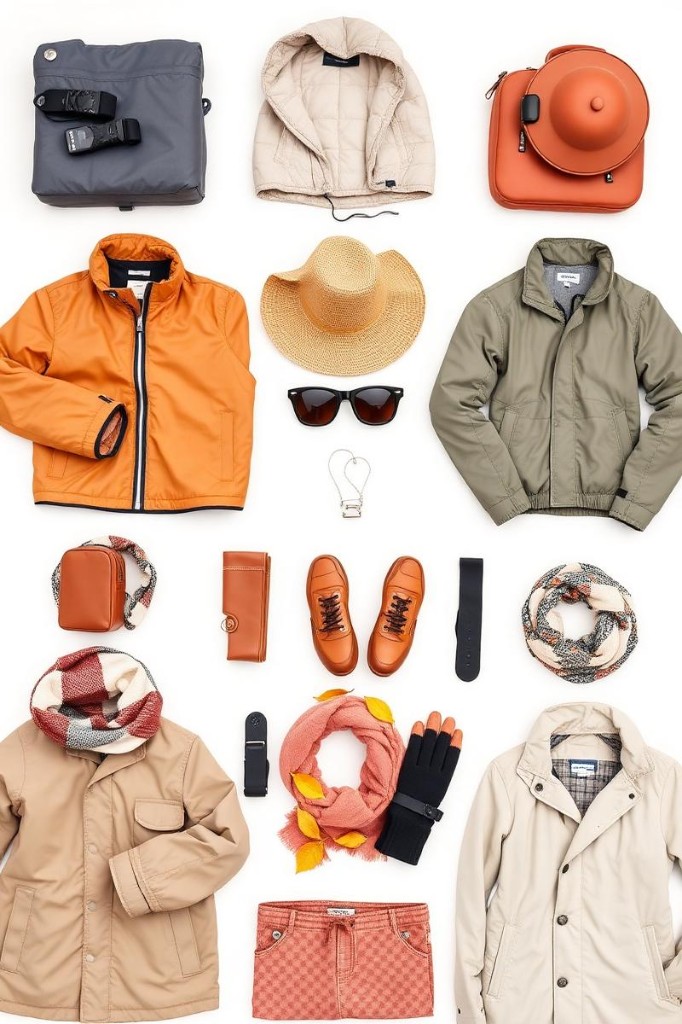
👕 Seasonal packing

❄️ Winter (December – March): Heavy-duty waterproof coat (rating -20°C / -4°F minimum) • Thermal base layers • Essential non-slip waterproof boots • Hat, waterproof gloves, neck warmer • Merino wool socks • Walking crampons for ice (can be purchased locally)

🌸 Spring (April – May): Light waterproof jacket • Sweater or sweatshirt for cool evenings • Comfortable walking shoes • Compact umbrella • Sunglasses

☀️ Summer (June – August): Light breathable fiber clothing • Light jacket for evenings • Airy walking shoes • Sun protection and hat • Light raincoat or umbrella for August showers

🍂 Autumn (September – November): Layered clothing (t-shirt + sweater + windbreaker) • Essential raincoat in September • Waterproof closed shoes • Hat and gloves for November • Light backpack for variable days

Travel clothing and gear by season

💰 Seasonal budget

PeriodCity Center Hotel (€/night)Transport (€/day)Restaurants (€/day)Attractions (€)Crowds
February (Snow Festival)€150 – €250€10 – €15€35 – €60€20 – €35★★★★★
July – August€100 – €180€10 – €15€30 – €50€15 – €30★★★★★
June / September€80 – €130€8 – €12€25 – €45€15 – €25★★★
April – May€65 – €110€8 – €12€20 – €40€10 – €20★★
November€60 – €95€8 – €10€20 – €35€10 – €20★★
December – January€75 – €130€8 – €12€25 – €45€15 – €25★★★

💡 Money-saving tips

Sapporo Subway Day Card (830 ¥): Unlimited access to the subway network for the day, essential if visiting multiple sites.

Lunch at Nijo Market: A fresh crab or salmon donburi for 1,200 to 1,800 ¥, two to three times cheaper than dinner at a restaurant.

Book early for February: Hotels are fully booked 6 to 8 months before the Snow Festival. Opt for alternative districts like West Odori or Kotoni station for more accessible rates.

Museum Combo: The Hokkaido Museum and the Beer Museum can be combined for a cultural day for less than 1,500 ¥.

Avoid Golden Week: Late April – early May, prices increase by 30 to 50% and popular sites are crowded.

🏥 Health and precautions

  • ❄️ Risk of falls on ice in winter: prioritize non-slip boots and walk carefully on poorly cleared sidewalks
  • 🌬️ Biting cold wind from November to March: protect your face and extremities, the wind chill can exceed -20°C / -4°F
  • 💧 Hydration in summer: although it is less hot than in Tokyo, intensive city walking requires regular hydration
  • 🌿 Spring allergies: birch and grass pollens active from April to June, bring antihistamines if sensitive
  • 🏥 24/7 Pharmacies available in the vicinity of JR station and in the Susukino district

Urban Events

Calendar of must-see events in Sapporo

Sapporo is a city of major festive gatherings that punctuate the year and radically transform the urban atmosphere. Each event attracts thousands of visitors and colors the city with a unique identity.

❄️ Sapporo Snow Festival (Yuki Matsuri) — Early February

The Sapporo Snow Festival is one of the most spectacular winter events in the world. Each year, dozens of monumental snow and ice sculptures take over Odori Park and the Tsudome site for over a kilometer. Artists from around the world compete in creativity for several days, attracting nearly 2 million visitors in one week.

Location: Odori Park (main sculptures), Susukino (ice sculptures), Tsudome (family activities)

Feature: Packed snow sculptures several meters high, magical night illuminations

Impact: The city is in total excitement, accommodations are fully booked months in advance, and prices rise significantly

Transport: Namboku or Toho subway line to Odori station, then on foot

Planning Tip: Book your accommodation 6 to 9 months in advance. Some illuminated night sculptures are even more beautiful after 6:00 PM, so plan to stay in the evening.

💃 Yosakoi Soran Festival — Early June

Every early June, over 30,000 dancers flood the streets of Sapporo for the Yosakoi Soran Festival, an explosion of colors, drums, and modernized traditional costumes. Teams compete with energy through elaborate choreographies for five consecutive days, turning Odori Park and its main arteries into outdoor festive stages.

Location: Odori Park (main stage), major city center avenues, JR station square

Feature: Unique fusion of traditional Yosakoi dances and rhythms inspired by Hokkaido fishermen's songs (soran bushi)

Impact: High local attendance, electrifying atmosphere, bars and restaurants crowded until late at night

Transport: Odori station, all subway lines. Shuttles are provided from JR Sapporo station

Planning Tip: Hotels within 1 km of Odori Park are in high demand. Book 3 to 4 months in advance and choose a hotel served by the subway.

🍂 Sapporo Autumn Feast — September to October

The Sapporo Autumn Feast celebrates Hokkaido's gastronomy in all its richness for a month. Local producers, Michelin-starred chefs, and food artisans take over Odori Park and participating restaurants for an incomparable culinary celebration: snow crab, wild salmon, root vegetables, dairy products, and Hokkaido sake are all featured.

Location: Odori Park (central market), Susukino district, labeled restaurants throughout the city

Feature: A true participatory gastronomic festival where chefs and producers are accessible to the general public

Impact: Moderate crowds but increased reservations in the best restaurants. The autumn atmosphere with colorful foliage in the background is exceptional

Transport: Odori station, all lines. The Susukino district is accessible on foot from Odori Park

Planning Tip: Book your tables at participating star-rated restaurants 4 to 6 weeks in advance. The weekends of the first half of September are the busiest.

Seasonal events

❄️ Winter:

• Yuki Matsuri — Snow Festival (early February — Odori Park) — major global event
• Christmas Illuminations at Odori and Susukino (December — city center) — spectacular light decorations
• Ski competitions at Sapporo Teine (January-March) — day trip from the city center

🌸 Spring:

• Hanami at Maruyama Park (late April – early May) — picnic under cherry blossoms
• Sapporo International Short Film Festival (May) — city center cinemas
• Note: Golden Week (April 29 – May 5): many closures and large crowds

☀️ Summer:

• Sapporo Beer Garden (mid-July – late August — former Sapporo brewery) — outdoor beer and grilled lamb
• Yosakoi Soran Festival (early June — Odori Park) — dance and drums
• Hokkaido Fireworks (August — Moerenuma Park)

🍂 Autumn:

• Sapporo Autumn Feast (September – mid-October — Odori Park) — Hokkaido gastronomy
• Ginkgo illumination at Hokkaido University (late October – early November) — free natural spectacle
• Local farmers' markets (October — various districts)

Responsible city trip in Sapporo

Choosing when and how to visit Sapporo is a gesture that goes far beyond personal comfort. By modulating your travel period and urban habits, you contribute to preserving the delicate balance between local life and tourism in this Hokkaido metropolis.

Sapporo invests heavily in its soft mobility: clean and punctual subway network, bike paths set up in summer, expanded pedestrian zones in the center. The city encourages visitors to stock up at local markets (Nijo, neighborhood markets) rather than in standardized souvenir chains. Selective sorting is a strong civic practice in Hokkaido: respect the color codes of public trash cans and avoid unnecessary plastic packaging available in konbinis.

🌱 Low-season advantages

Traveling to Sapporo outside the peaks of February and August helps reduce pressure on local transport, access cultural sites in peace, and support the local economy year-round, while benefiting from significantly more attractive rates.

♻️ Sustainable travel tips

Subway and bus: Sapporo's public transport network is one of the most reliable in Japan. The Subway Day Card covers all your travel for the day.

Self-service bikes: available from April to November via the Porocle service, ideal for connecting Odori Park to Hokkaido University.

Local restaurants: favor neighborhood izakayas and family restaurants in Ramen Alley rather than international chains.

Certified accommodations: several ryokans and boutique hotels in Sapporo display Japanese environmental certifications. Consult the « Eco Hotel Japan » label.

Farmers' markets: Nijo market and weekly neighborhood markets offer local products without over-packaging.

Avoid individual taxi: Sapporo is made for walking and the subway. Distances between main sites rarely exceed 2 km / 1.2 miles.

🏙️ Local sustainable initiatives

Sapporo deploys a self-service bike system (Porocle) active from April to November with over 100 stations in the center. The municipality has committed to a plan for greening roofs and creating ecological corridors between its parks. Local organic markets are multiplying in residential neighborhoods, and the underground pedestrian network drastically reduces individual vehicle use in winter.

Our Recommendations

Recommendations for your city trip to Sapporo

After a full analysis of the climate, events, and tourist traffic, June and September stand out as the most balanced periods for a city trip to Sapporo. These two months offer pleasant temperatures, moderate crowds, and top-tier cultural events. If you dream of a white and magical Sapporo, then February is an unforgettable choice despite the high prices. The gastronomic autumn of September attracts curious travelers and lovers of fine dining. Avoid March and November, which are transitional months that are less rewarding in terms of weather.

🌟 Optimal Period: June and September

Recommended months: June, July, September

  • Pleasant temperatures between 13°C / 55°F and 27°C / 81°F, ideal for urban walking
  • Major cultural events: Yosakoi Soran in June, Autumn Feast in September
  • Colorful foliage and parks at their best in September
  • Less crowded than the peak of February or August
  • Local gastronomy at its peak with seasonal products

Key events: Yosakoi Soran (early June), Beer Garden (July – August), Autumn Feast (September)

Disadvantages: September can be rainy; July-August sees prices rise and national crowds increase

Ideal profile: All types of travelers, families, couples, solo, foodies, photographers

Recommended duration: 4 to 5 days to combine city and excursions in Hokkaido

🌸 Interesting Alternative: April – May (Spring)

Alternative months: April, May

Spring in Sapporo is mild, flowery, and significantly less crowded than in summer or February. The cherry blossoms of Maruyama and the Hokkaido lilacs offer beautiful scenery, and hotel rates are at their lowest outside of Golden Week. It is the ideal period for a peaceful and authentic discovery of the city.

Specific advantages: Attractive prices, reduced crowds, magnificent spring light for photography, local markets waking up

For whom: Budget-conscious travelers, nature lovers, photographers, first trips to Japan

👥 Tips for your travel style

👨‍👩‍👧 Family: Prioritize July-August for the Beer Garden (non-alcoholic options for children!) and the Tsudome in February. Stay near the Toho subway line for easy access to Shiroi Koibito Park and Moerenuma Park. Budget: €150 to €200/night for a family.

💰 Budget: Choose April or November, stay in quality hostels around Susukino (€25 to €50/night), eat at Nijo market in the morning and in local izakayas in the evening. Use the Subway Day Card.

🎭 Culture: September is your month: Autumn Feast, Hokkaido Museum, art galleries, cinemas with original versions. Stay in the Odori district for pedestrian access to all sites.

💑 Romantic: February for snowy magic or October for flamboyant foliage and refined gastronomy. Book a ryokan with a private onsen, ideally in the heights of Mount Moiwa.

🗓️ Weekend: Fly directly to Sapporo New Chitose Airport (90 min from Tokyo by plane). Focus on Odori Park – Susukino – Maruyama for 3 days. Avoid Golden Week and Snow Festival weekends without prior booking.

🌏 First trip: June or September, favorable weather, moderate crowds, and a complete Japanese experience. Stay at the JR Tower hotel or in the station district for maximum mobility from the first day.

⚠️ Periods to avoid

Months not recommended: March, November

Reasons: March is a thawing period that is not very aesthetic, where snow melts and makes the streets dirty without offering the winter magic. November is gray, cold, rainy, and outdoor attractions gradually close. Both months have uninviting weather without notable festive compensation.

Nuances: Ski enthusiasts will still find March worthwhile for the surrounding resorts. Travelers seeking absolute tranquility and rock-bottom prices will appreciate November for its calm and local authenticity.

Villes du même pays

All cities

Frequently Asked Questions

Are you planning your city trip to Sapporo and still hesitating about the ideal time, duration, budget, or must-see attractions? Here are the essential answers.

What is the best month to visit Sapporo?

There is no universal answer, but June and September offer the best balance between pleasant weather, cultural events, and moderate crowds. June hosts the Yosakoi Soran Festival and mild temperatures ideal for exploring the city on foot. September combines emerging autumn colors with the Sapporo Autumn Feast, an unmissable gastronomic festival. If you dream of snow sculptures, then early February is the only possible time, but anticipate your accommodation well in advance.

How many days should I plan for Sapporo?

For a complete city trip, allow at least 3 to 4 days. Two days cover the city center highlights (Odori Park, Susukino, TV Tower, Beer Museum), but you will miss Shiroi Koibito Park, Mount Moiwa, and the Hokkaido University campus. With 5 days, you can include a day trip to Otaru or the Hokkaido mountains. Ski or snow festival enthusiasts should plan for 5 to 7 days to fully enjoy the atmosphere.

What to do in Sapporo on a rainy day?

Sapporo is surprisingly well-equipped for rainy days. The Chika-Ho underground pedestrian network connects the JR station to Odori Park without ever going outside. You can visit the Sapporo Beer Museum, the Hokkaido Museum, and the Tanukikoji shopping arcades without getting wet. Shiroi Koibito Park has indoor spaces, and the many cafes and ramen restaurants in the Susukino district are perfect for a cozy gourmet break. Also, take the opportunity to discover the liveliness of Ramen Alley in the evening.

What events should I not miss in Sapporo?

Three events are absolutely unmissable: the Snow Festival (Yuki Matsuri) in February with its monumental sculptures, the Yosakoi Soran Festival in early June with its 30,000 dancers in the streets, and the Sapporo Autumn Feast in September for an immersion in Hokkaido gastronomy. In summer, the Sapporo Beer Garden (July-August) is a unique social experience. In winter outside the festival, the Susukino illuminations in December create an enchanting atmosphere.

What budget should I plan according to the season?

Ranges vary significantly by season. In low season (April, November), expect €60 to €90/night for a central 3-star hotel, €20 to €35/day for meals, and €10 to €20/day for attractions. In high summer season (July-August), expect €100 to €180/night. For the Snow Festival in February, go up to €250/night and book well in advance. A comfortable daily budget of €100 to €150/person (excluding accommodation) will allow you to enjoy the city peacefully in any season.